Clear Sky Science · en
Establishment of a rapid Brucella detection method based on MCDA-CRISPR dual signal amplification system for reducing transfusion-transmitted diseases
Why a Hidden Infection in Donated Blood Matters
Most people who roll up a sleeve to donate blood never imagine they could unknowingly pass along a serious animal-borne infection called brucellosis. Yet in parts of the world where this disease is common, silent infections in otherwise healthy donors can slip through routine screening and reach vulnerable patients. This study introduces a quick, low-cost laboratory test that can spot Brucella bacteria in donated blood within an hour, using simple equipment, and could help make blood transfusions safer in high-risk regions.
A Quiet but Widespread Animal Disease
Brucellosis is caused by bacteria that usually spread from livestock such as sheep, goats, and cattle. People can become infected through unpasteurized dairy products, contact with animals, or more rarely from other people. The illness can drag on for months with fever, fatigue, joint pain, and organ problems, often flaring up again after treatment. Because its symptoms mimic many other conditions, the disease is frequently missed or diagnosed late, and the true number of cases is thought to be far higher than official counts suggest. In northern China’s pastoral regions, including Xinjiang, brucellosis is especially common, raising concern that apparently healthy blood donors may in fact carry the infection.
Gaps in Today’s Blood Safety Net
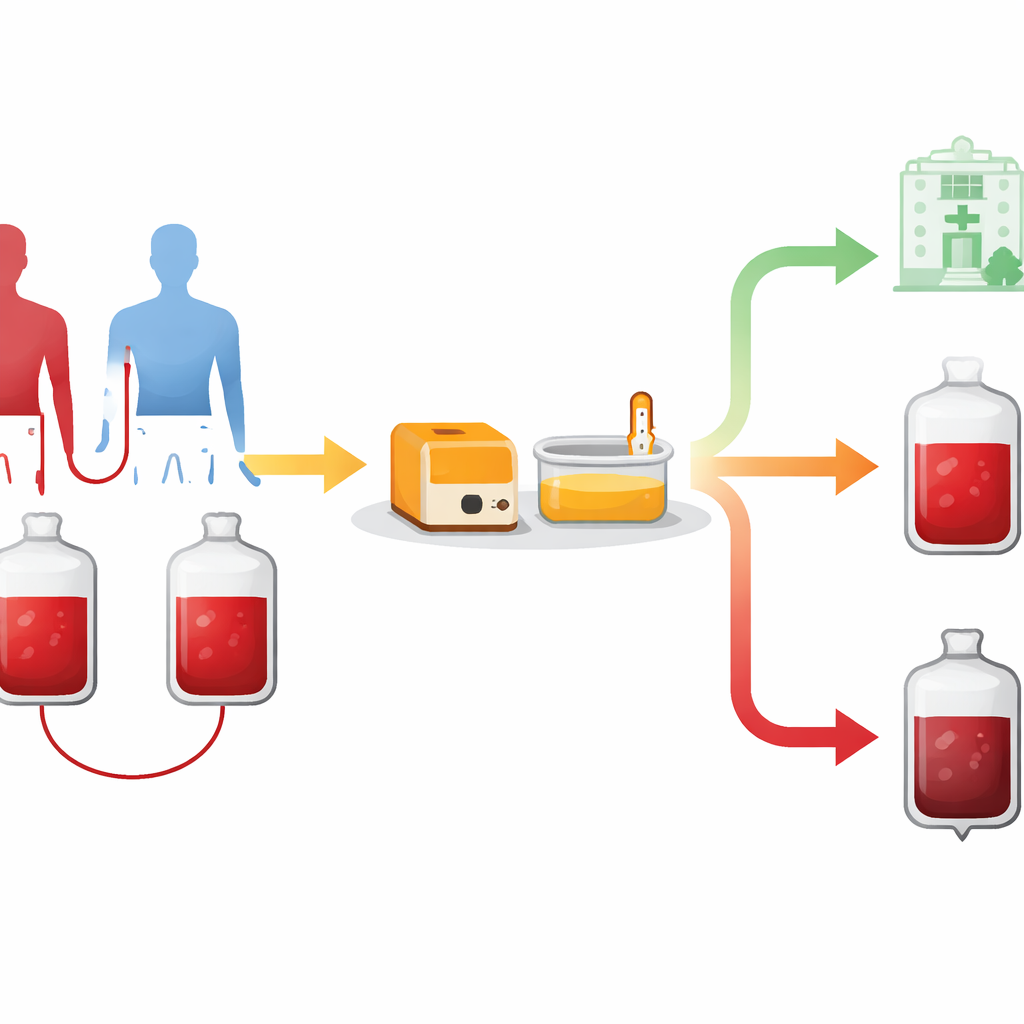
Hospitals already screen donated blood for viruses such as HIV and hepatitis, using a mix of antibody tests and genetic tests. But brucellosis is usually not on that checklist. Traditional methods to detect Brucella, like growing the bacteria in culture, are slow, technically demanding, and require high biosafety facilities, making them unsuitable for routine screening of short-shelf-life products like platelets. Blood tests that look for antibodies can miss very early infections and cannot clearly distinguish between past and current disease. Genetic tests based on standard PCR are more sensitive, but they depend on expensive machines and skilled staff, limiting their use in basic or rural laboratories.
A New One-Hour Test Built from Two Powerful Tools
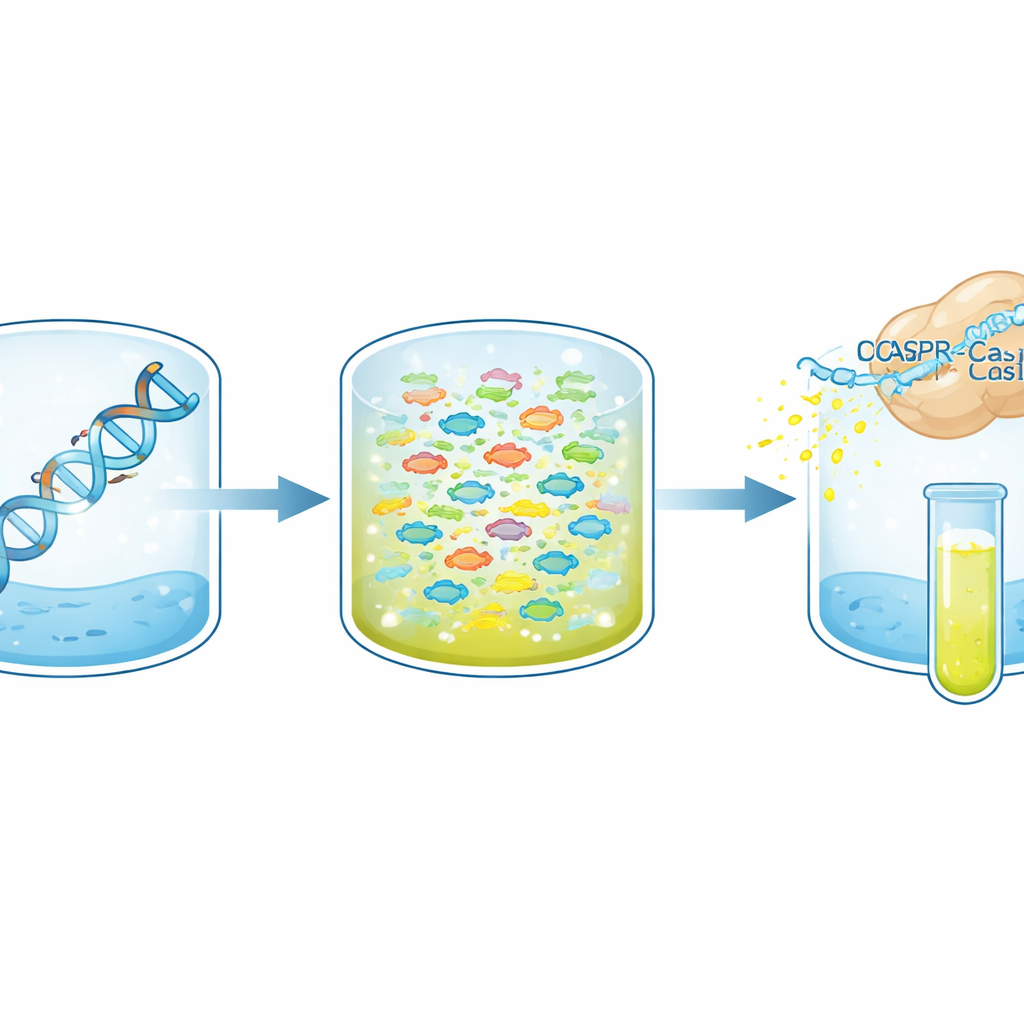
The authors combined two modern molecular tricks into a single, streamlined test they call MCDA-CRISPR. The first component, multiple cross displacement amplification (MCDA), rapidly copies a tiny stretch of Brucella DNA at a constant warm temperature, so no complex heating cycles are needed. This step uses ten carefully designed short DNA starters that latch onto different parts of a Brucella-specific gene, ensuring that only the right target is amplified. The second component, based on the CRISPR-Cas12a system originally known for gene editing, acts like a programmable molecular sensor. Once it recognizes the amplified Brucella DNA, Cas12a begins cutting nearby DNA probes, which in turn release a bright fluorescent signal that can be seen under a simple ultraviolet lamp.
How Well the New Test Performs
In laboratory trials, the MCDA-CRISPR method could detect as little as one femtogram of Brucella DNA—about 100 times more sensitive than conventional PCR run on the same samples. It correctly distinguished Brucella from 20 other bacteria and viruses without any false alarms, thanks to the many targeting points built into the MCDA primers and the specificity of the CRISPR sensor. The entire test runs at a single temperature of 64 °C using only a water bath, and the CRISPR step gives a clear readout in about five minutes. Positive tubes glow under ultraviolet light or show a strong signal on a basic fluorescence reader, while negative ones remain dark, making interpretation straightforward even in modestly equipped labs.
Real Donor Samples Reveal Silent Risk
To see how the method works outside the lab, the team tested blood from more than 3,000 donors in Urumqi, Xinjiang. An initial antibody screening flagged 18 samples as potentially exposed to Brucella. When these were checked by bacterial culture—the reference standard—17 were confirmed positive. The new MCDA-CRISPR test matched those 17 positives, even picking up a weak sample that conventional PCR missed. This suggests the method is both highly accurate and practical for everyday use. It also underscores that, even among donors who have already passed standard infection tests, hidden brucellosis infections can still be present and may pose a risk if not specifically screened.
What This Means for Safer Blood and Public Health
By marrying rapid DNA amplification with a precise CRISPR-based sensor, this study delivers a simple, highly sensitive test that could make blood transfusions safer in areas where brucellosis is common. The approach does not rely on expensive machines, works within about an hour, and is easy to read with basic tools, making it well suited to regional blood centers and small hospitals. Although further work is needed to streamline the procedure, reduce contamination risks, and expand it to detect different Brucella types, the method offers a practical way to catch hidden infections in donors and strengthen public health defenses where resources are limited.
Citation: Fu, X., Zhao, F., Ge, J. et al. Establishment of a rapid Brucella detection method based on MCDA-CRISPR dual signal amplification system for reducing transfusion-transmitted diseases. Sci Rep 16, 13660 (2026). https://doi.org/10.1038/s41598-026-43610-9
Keywords: brucellosis, blood transfusion safety, CRISPR diagnostics, rapid infection testing, point-of-care screening