Clear Sky Science · en
Homovanillic acid improves anxiety by regulating F4/80+ microglia/macrophage in adult mice with neonatal cardiac injury
How the Heart Can Shape the Mind
Heart problems in childhood do not just affect the body; they can also leave a lasting mark on the mind. Doctors have long noticed that children who survive serious heart disease sometimes struggle later with anxiety, learning difficulties, or changes in mood. This study asks a simple but important question: could chemicals released by an injured young heart quietly reshape the developing brain and behavior years later—and might one of those chemicals actually help protect the brain?
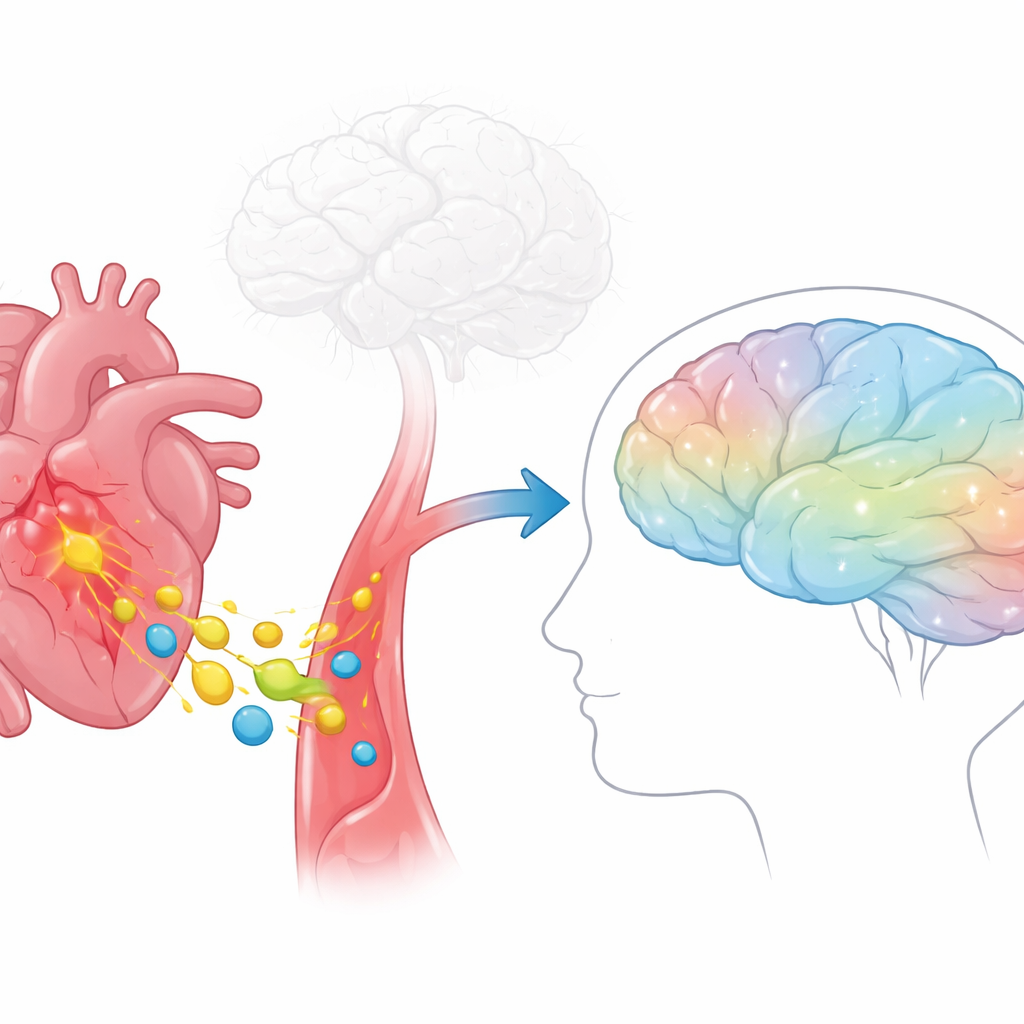
A Chemical Messenger Between Heart and Brain
The researchers focused on the “heart–brain axis,” the two-way conversation between these organs that continues throughout life. When the heart is injured, it releases many small molecules, or metabolites, into the bloodstream. Some of these can cross into the brain and potentially influence mood or thinking. One such metabolite is homovanillic acid (HVA), which comes from the breakdown of dopamine, a well-known brain messenger involved in reward, movement, and emotion. Earlier work suggested that HVA can ease depression-like behavior in mice, but its role in young hearts and growing brains was unclear.
Modeling Childhood Heart Injury in Mice
To mimic severe heart damage in human infants, the team used a neonatal mouse model in which a small area of the heart is briefly frozen, producing a controlled injury early in life. Using advanced chemical analysis, they showed that the injured hearts of these young mice had striking shifts in their metabolite patterns just one week after damage. Among more than a hundred measured molecules, HVA was one of the few that clearly dropped in the injured hearts. This suggested that loss of HVA might be part of the long-term ripple effects of early heart injury.
Testing Homovanillic Acid as a Helper
The scientists then asked what would happen if they supplemented HVA shortly after heart injury. Newborn mice received HVA injections for three days following the procedure and were later examined as adolescents. Surprisingly, HVA did not significantly change scarring in the heart or most measures of organ size, although it did prevent some of the heart enlargement seen after injury and reduced thymus size, hinting at effects on the immune system. Most notably, when the young adult mice were tested in an open field—a standard setup for gauging anxiety-like behavior—those that had received HVA moved farther overall, ventured more into the center of the arena, and spent more time there. In animal behavior research, this pattern is interpreted as reduced anxiety.
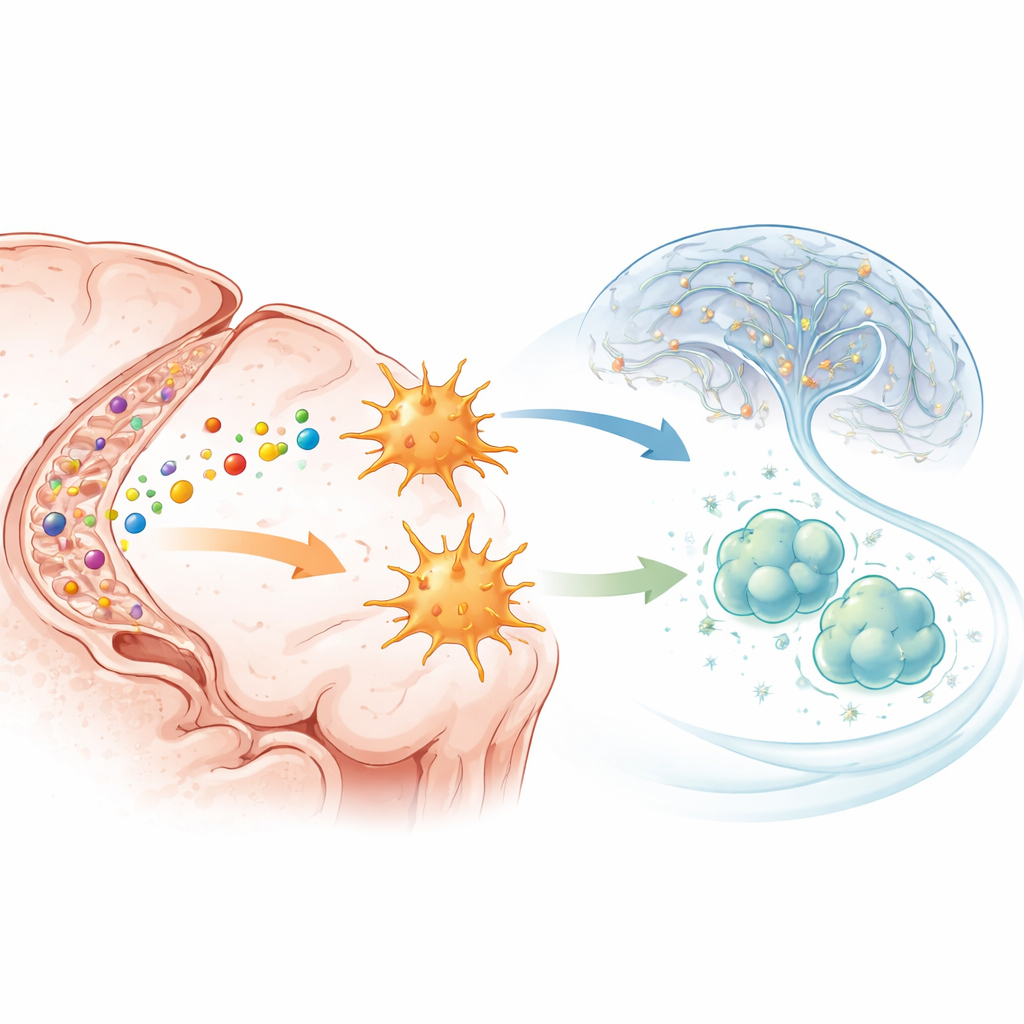
Immune Cells in the Brain as Key Players
To understand how a heart-derived chemical might calm anxiety, the team turned to the brain’s own immune cells, called microglia and macrophages. These cells help shape brain development and can either promote or dampen inflammation. The researchers measured several inflammatory signals in the brain and heart but found no major shifts with HVA treatment at the time point they examined. However, when they stained brain tissue, they discovered that mice given HVA after neonatal heart injury had more F4/80-positive microglia/macrophages in a critical memory and emotion center called the hippocampus. This increase was not accompanied by changes in a key inflammatory molecule, MCP-1, suggesting that HVA may fine-tune the number or state of these cells rather than simply switching inflammation on or off.
What This Means for Future Patients
In plain terms, the study suggests that a chemical produced when the body processes dopamine, homovanillic acid, can help buffer the brain against anxiety-like problems that emerge after severe early-life heart damage—at least in mice. HVA did not heal the injured heart itself or dramatically change classic inflammation markers, but it did seem to reshape brain immune cells in a way that supported calmer behavior. While this work is still far from direct application in children, it strengthens the idea that what happens in a damaged young heart can resonate in the brain years later, and that carefully targeting heart-derived metabolites like HVA could one day help protect mental health in survivors of childhood heart disease.
Citation: Wu, Z., Huang, Z., Ding, F. et al. Homovanillic acid improves anxiety by regulating F4/80+ microglia/macrophage in adult mice with neonatal cardiac injury. Sci Rep 16, 13985 (2026). https://doi.org/10.1038/s41598-026-43510-y
Keywords: heart–brain axis, homovanillic acid, childhood heart disease, anxiety and behavior, microglia