Clear Sky Science · en
Alcohol intoxication and its influence on road traffic accidents: a hospital based study from Pondicherry, India
Why this study matters to everyday road users
Anyone who has driven at night or crossed a busy street has worried about sharing the road with someone who has been drinking. This study from a large hospital in Pondicherry, India, looks closely at real crash victims to understand how often alcohol is involved and how it changes the chances of dying or being badly hurt. The findings help explain why drunk driving remains such a serious threat, especially for younger men, and what can be done to make roads safer.
A closer look at crashes in one Indian city
The researchers focused on all people aged 15 and older who came to the emergency department of a major government hospital after a road traffic accident over a three‑month period in 2018. This hospital serves as a key trauma center for Pondicherry, a city known both for heavy traffic and relatively high alcohol use. Of the 329 patients they included, doctors or trained staff interviewed each person (or a family member) and tested them for recent drinking using a breathalyzer or saliva test soon after arrival. This approach allowed the team to capture a real‑world snapshot of who was being injured on the roads, and whether alcohol was in their system at the time.
Who gets hurt on the road
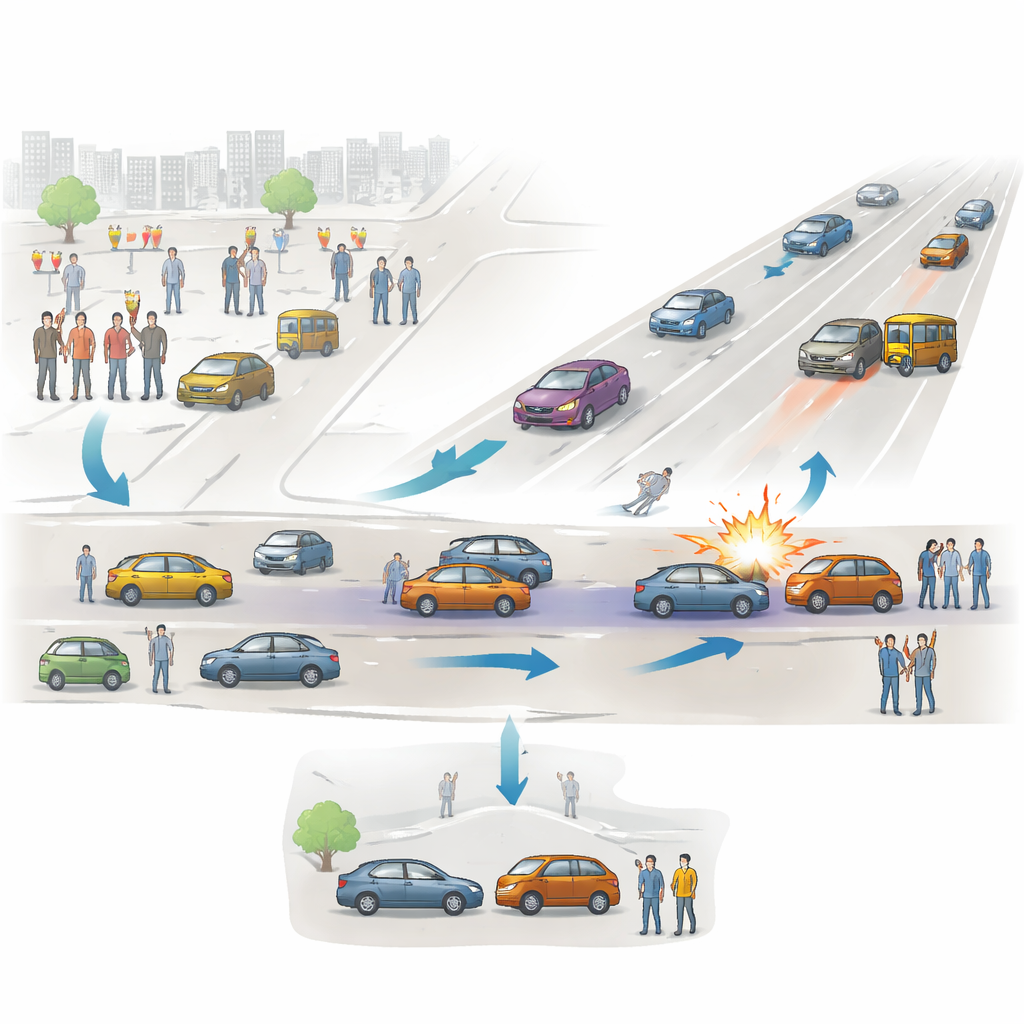
The picture that emerged was sharply skewed toward younger men. About three‑quarters of the injured patients were male, and roughly three‑quarters were drivers rather than passengers or pedestrians. Most were between 15 and 45 years of age, the prime working and earning years for many families. Crashes happened more often in urban than rural areas, reflecting dense traffic and busy streets. Strikingly, more than half of all people in this study had recently consumed alcohol, underlining how common drinking is among those involved in serious road incidents in this setting.
Alcohol and the severity of injury
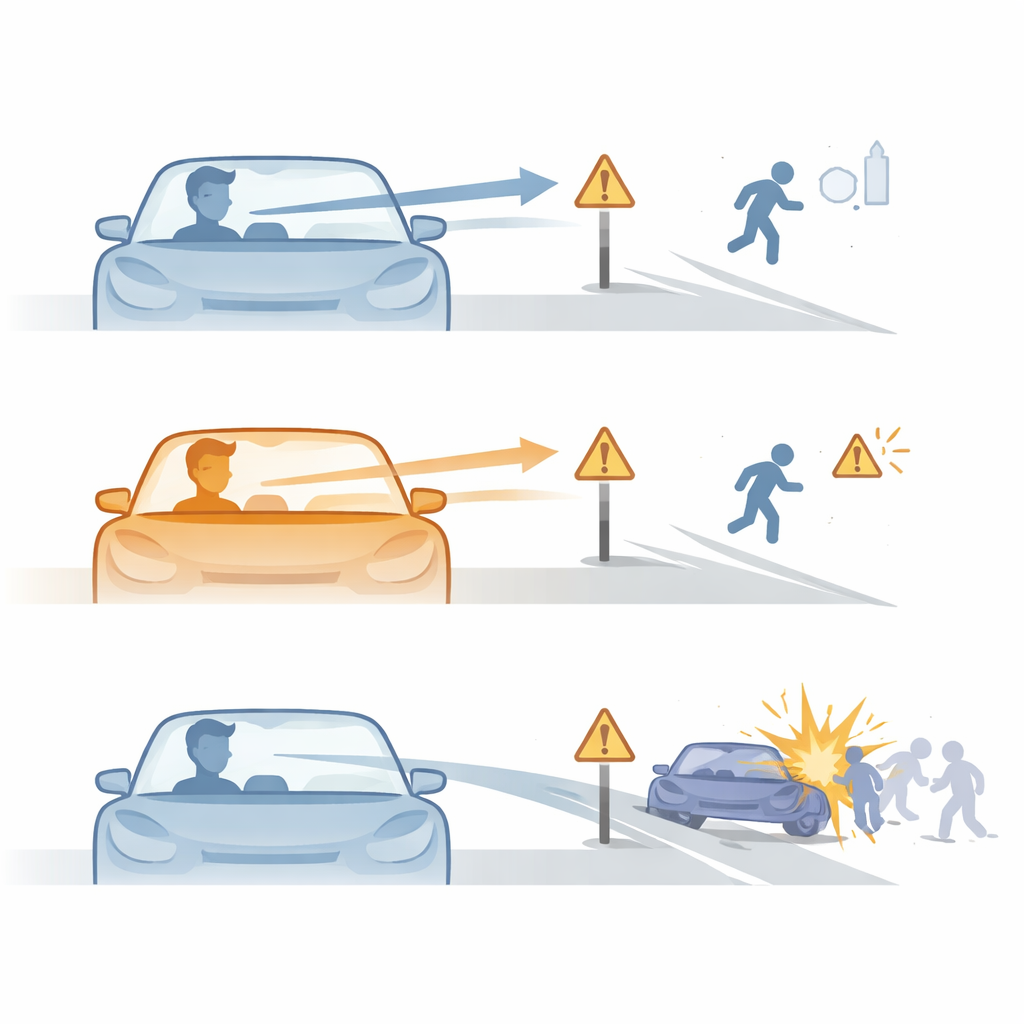
The central question was not just whether people had been drinking, but whether this was linked to how badly they were hurt. The team divided outcomes into fatal and non‑fatal injuries, then compared these between people who tested positive and negative for recent alcohol use. Overall, about one in three patients in the study suffered a fatal outcome. Among drivers who had been drinking, nearly a third died from their injuries, and many others were seriously hurt. In contrast, drivers who had not consumed alcohol were much more likely to survive and have non‑fatal injuries. A similar pattern appeared among nondrivers, such as passengers and pedestrians: those who had been drinking faced higher odds of dying than those who were sober at the time of the crash. Simple statistical tests showed that these differences were very unlikely to be due to chance alone.
What the numbers can and cannot say
While the study shows that alcohol‑positive crash victims were more likely to die, the authors are careful about what conclusions can be drawn. They measured alcohol in a yes‑or‑no way, without recording exact levels or drinking history, and they did not adjust for other important influences such as speed, use of seat belts or helmets, road lighting, or weather. Very severely injured people who needed immediate life‑saving treatment, or who arrived already dead, were not included, which could mean that the true role of alcohol in the most extreme crashes is even greater than reported here. Because the data were collected at a single point in time and only simple comparisons were made, the study can demonstrate strong links but cannot, on its own, prove that alcohol directly caused the crashes or the deaths.
What this means for safer streets
Even with these limits, the findings send a clear signal: in this Indian city, recent drinking is common among people injured in road crashes and is tied to a greater chance of dying, for both drivers and other road users. For everyday people, the message is straightforward: getting behind the wheel after drinking does more than bend the rules—it sharply raises the risk that a crash will cost someone their life. The authors argue that stricter enforcement of drunk‑driving laws, regular alcohol screening in emergency departments, better lighting and road design, and consistent use of seat belts and helmets could all reduce the toll. In short, fewer drinks before driving, and smarter safety measures around traffic, could mean many more people make it home alive.
Citation: K.S., A., S., M. Alcohol intoxication and its influence on road traffic accidents: a hospital based study from Pondicherry, India. Sci Rep 16, 11753 (2026). https://doi.org/10.1038/s41598-026-43509-5
Keywords: drunk driving, road traffic injuries, alcohol and crashes, traffic safety India, emergency trauma care