Clear Sky Science · en
Exploring the hereditary genetic mutational landscape of breast and ovarian cancer in Estonia
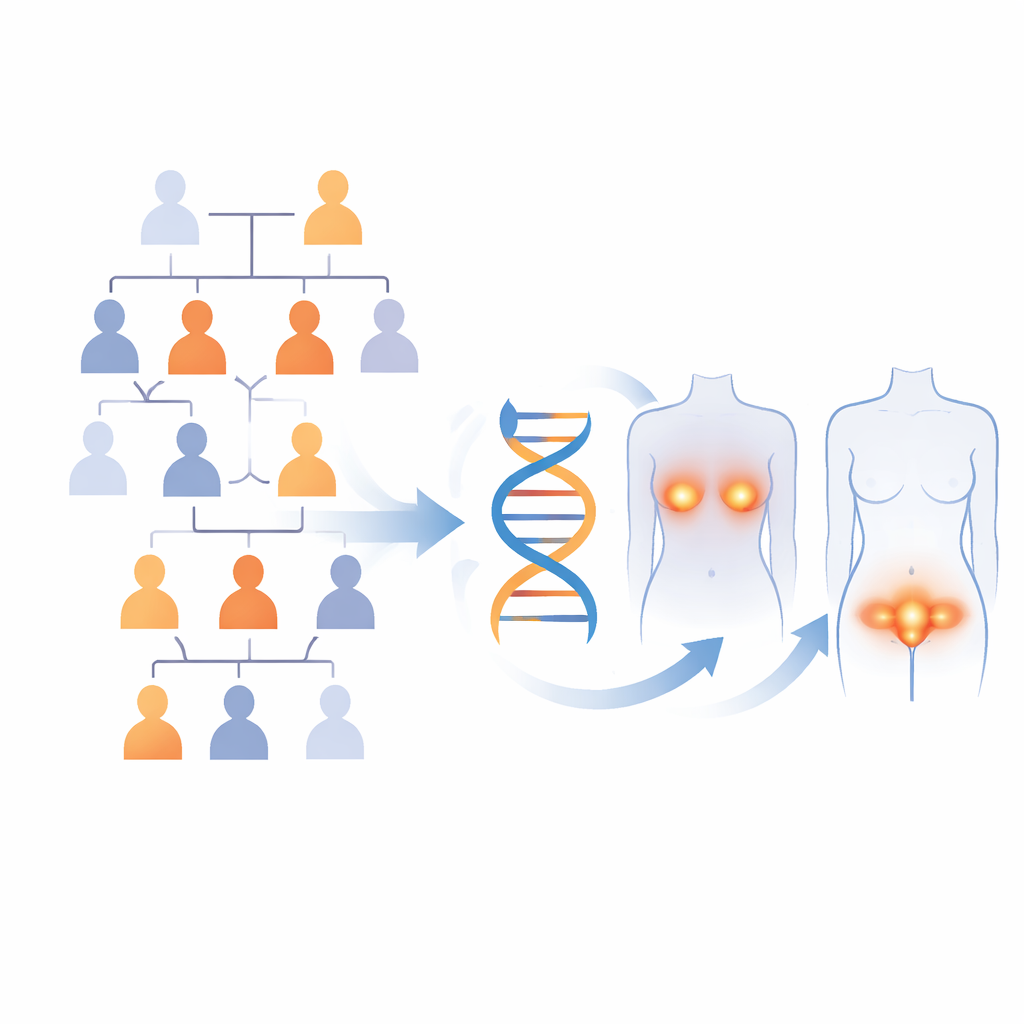
Why family genes matter for cancer care
Most people know that cancer can "run in families," but what does that really mean for an individual’s risk and treatment? This study from Estonia takes a deep look at the inherited genetic changes behind breast and ovarian cancers in more than three thousand patients tested over 17 years. By tracking which genes are altered, at what ages cancers appear, and how testing practices have evolved, the researchers show how modern gene panels can catch high‑risk families earlier and guide more tailored care.
Looking at thousands of patients over time
The team analyzed genetic test results from 3,537 people treated in major Estonian hospitals between 2007 and 2023. Most had breast cancer, some had ovarian cancer, and a smaller group had developed both. For each person, doctors had recorded age at diagnosis, age at testing, cancer type, and limited family history. Over the study period, genetic testing shifted from slow, single‑gene methods to broad multi‑gene next‑generation sequencing panels, and the number of people tested rose roughly nine‑fold for both breast and ovarian cancer.
Inherited risk shows up early and often
About one in five tested patients carried a clearly harmful inherited variant in a cancer‑related gene. These changes were more common in ovarian cancer patients (26%) than in breast cancer patients (17.4%), and especially frequent in people who had both cancers. The best‑known genes, BRCA1 and BRCA2, still dominated: together they accounted for roughly two‑thirds of all harmful variants, with BRCA1 particularly common in ovarian cancer. People with such variants tended to develop cancer several years earlier than those without, and reported more relatives with cancer, underscoring how strongly heredity can shape risk.
Beyond the famous BRCA genes
While BRCA1 and BRCA2 were central, they were not the whole story. The researchers found harmful variants in 19 additional cancer susceptibility genes in 243 individuals, and discovered 25 variants never before reported. A sizeable share of these non‑BRCA findings involved genes like CHEK2, PALB2, BRIP1 and RAD51C/D, which are now recognized as contributors to hereditary breast and ovarian cancer. A handful of variants appeared in genes usually linked to other rare cancer syndromes, hinting that broad panels can uncover unexpected risks in families where many different tumors occur.
Changing tools reshape who gets answers
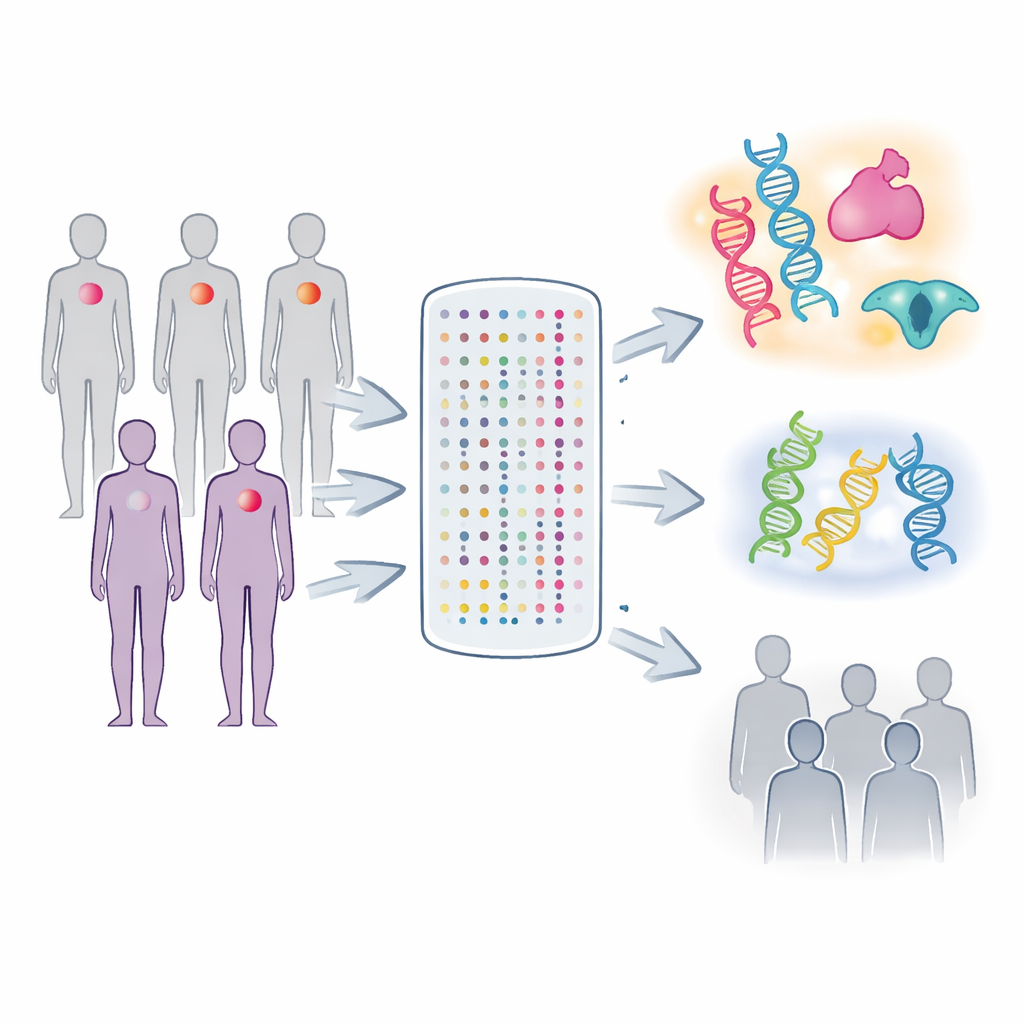
Because testing technology and referral habits changed over time, the chance of finding an inherited variant also shifted. In the early years, only the highest‑risk patients were tested, so the detection rate was slightly higher even though the technology was simpler. After next‑generation sequencing was introduced, many more patients from routine clinics were tested, and geneticists and non‑genetic specialists shared the workload. This “mainstreaming” made access fairer but also revealed that important variants appear across a broad range of ages, including in older patients who might previously have been overlooked. At the same time, large panels bring more ambiguous results, which are not yet fully reported or regularly re‑evaluated in routine practice.
What this means for patients and families
For Estonia, the study shows that limiting testing to a couple of common BRCA1 changes would miss the vast majority of people with hereditary risk. Instead, broad multi‑gene sequencing has become the best way to uncover who is truly at higher risk, to guide intensified screening, consider preventive measures, and offer testing to relatives. More generally, the work illustrates how tying genetic data to national cancer records and updating guidelines can move a health system toward more personalized, preventive cancer care, where a person’s inherited DNA helps doctors act earlier and more precisely rather than relying on chance and family stories alone.
Citation: Tooming, M., Toome, K., Rekker, K. et al. Exploring the hereditary genetic mutational landscape of breast and ovarian cancer in Estonia. Sci Rep 16, 13373 (2026). https://doi.org/10.1038/s41598-026-43459-y
Keywords: hereditary breast cancer, ovarian cancer genetics, BRCA and beyond, genetic testing panels, Estonia cancer study