Clear Sky Science · en
Thymbra spicata extracts against soilborne fungi: linking chemical composition, antifungal activity, and molecular docking insights
Turning a Kitchen Herb into Crop Protection
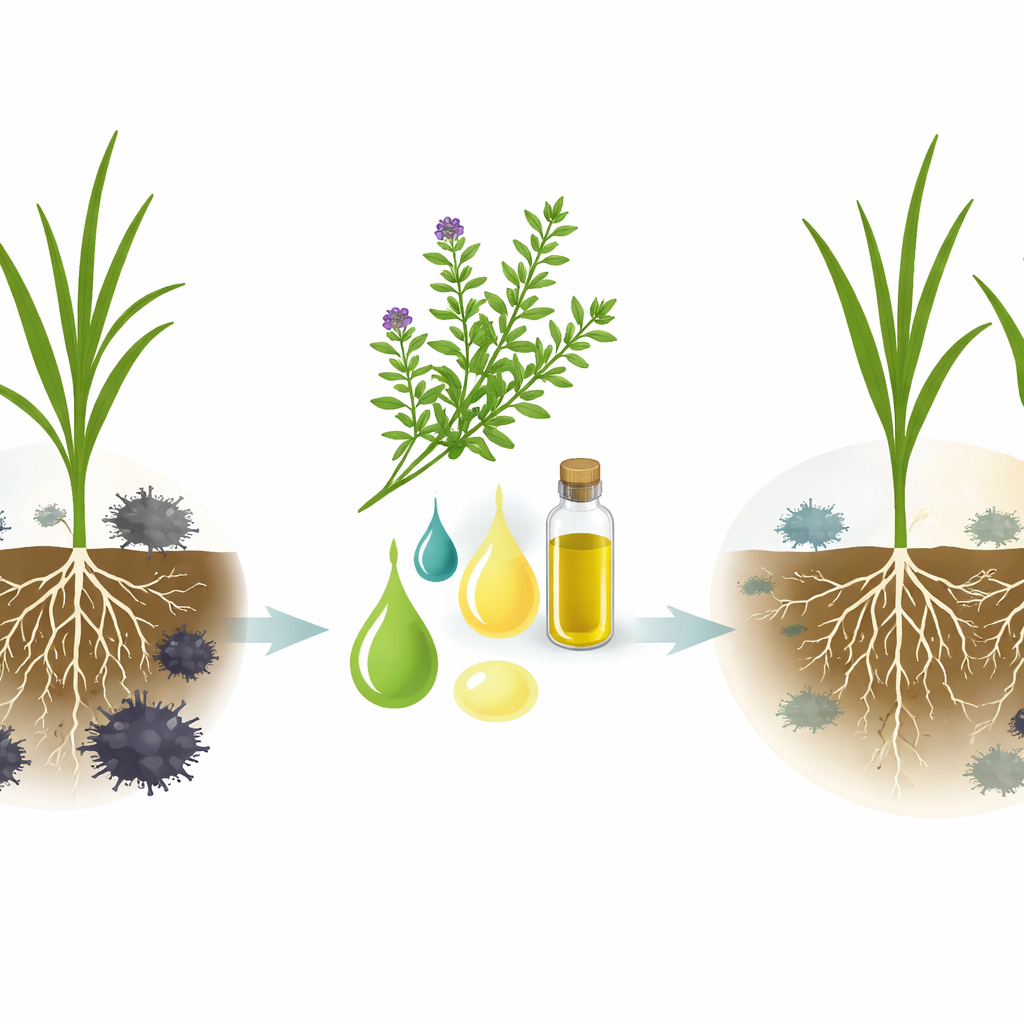
Farmers worldwide struggle with stubborn soil fungi that rot roots, wilt plants, and wipe out harvests—even when fields look healthy from above. This study explores whether a common aromatic herb, Thymbra spicata (known locally as Zahter or Karabas kekik), can provide a cleaner, plant-based way to shield crops from these hidden attackers. By testing different ways of extracting the herb’s natural oils and then zooming in to the molecular level, the researchers connect what happens in a Petri dish to what happens inside a fungal protein, shedding light on how this herb might become a safer antifungal tool.
A Hidden Threat Beneath Our Feet
Soilborne fungi such as Fusarium, Rhizoctonia, Macrophomina, and Sclerotinia are among farmers’ worst enemies. They cause root rot, wilting, yellowing, and stunted growth in many crops and can survive for years in the soil by forming tough resting structures. Chemical fungicides have helped control these diseases since the era of DDT, but their limited effectiveness, environmental side effects, and food safety concerns have pushed scientists to search for alternatives. One promising direction is essential oils from aromatic plants, which are naturally rich in compounds that defend the plants themselves against microbes and insects.
Inside the Scent of Zahter
Thymbra spicata, a small shrub in the mint family, is widely used as a culinary herb and herbal tea in parts of the Middle East and Türkiye. In this study, researchers compared four ways of extracting its active ingredients: traditional hydrodistilled essential oil, a methanol extract, and two extracts obtained with supercritical carbon dioxide (SC-CO₂), one pure and one with added ethanol. Using gas chromatography–mass spectrometry, they found that all oil-like extracts were dominated by a single compound, carvacrol, along with smaller amounts of p-cymene and other related molecules. The SC-CO₂ method, in particular, produced an extract that was both very rich in volatile components and especially high in carvacrol, while preserving delicate, heat-sensitive ingredients better than standard distillation.
Putting the Extracts to the Test
To see whether chemistry translated into real antifungal power, the team grew four major soil fungi on nutrient plates treated with different concentrations of the T. spicata extracts. At relatively low doses, the essential oil and the SC-CO₂ extracts stopped the fungal filaments from growing altogether, showing a true killing (fungicidal) effect against Sclerotinia, Macrophomina, Rhizoctonia, and Fusarium. In contrast, the methanol extract—richer in heavier fatty acids and poorer in volatile oils—failed to significantly slow any of the fungi, behaving much like the untreated controls. The dose–response patterns clearly pointed to the carvacrol-rich, oil-like fractions as the source of the strong antifungal activity, and showed that the green SC-CO₂ method can match or even rival traditional essential oil in performance.
Zooming in on the Fungal Target
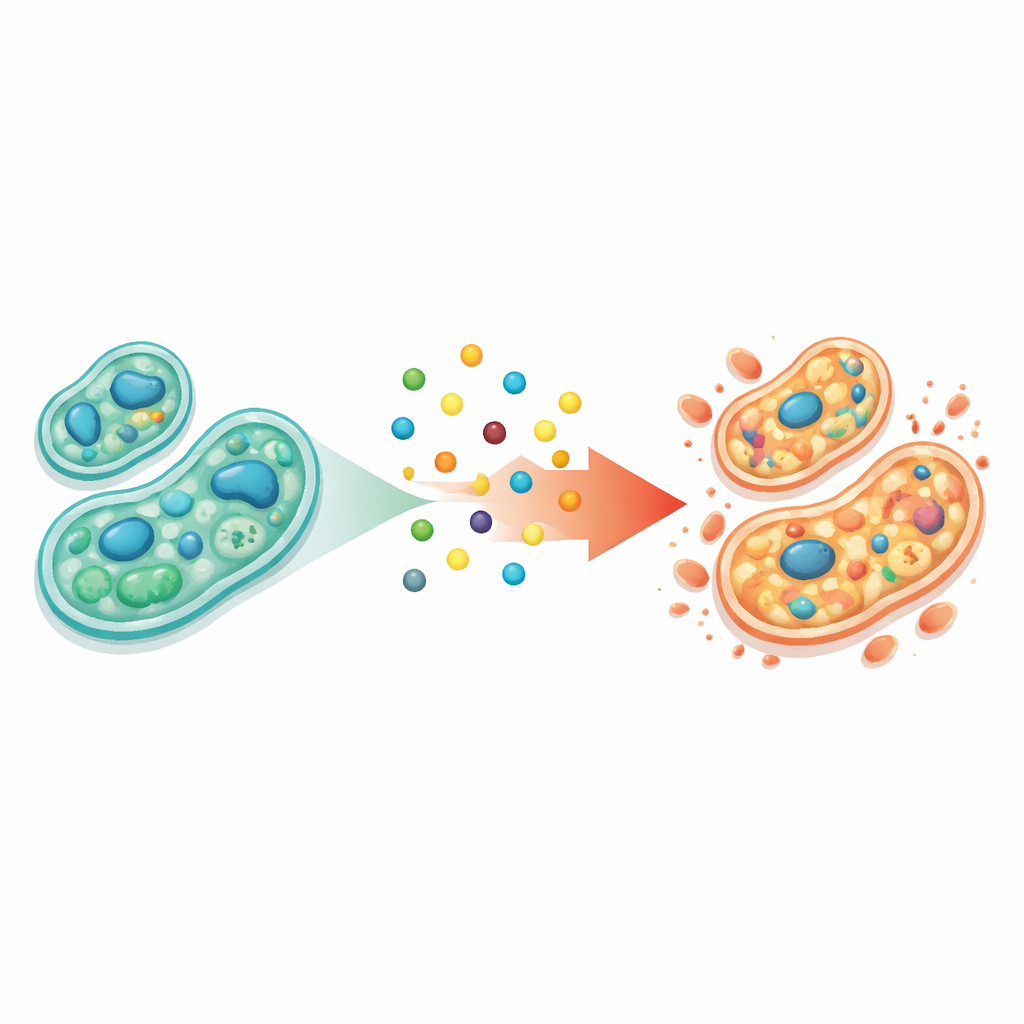
To understand how the main compounds might work inside the fungus, the researchers used molecular docking, a computer technique that predicts how small molecules fit into protein targets. They focused on a fungal enzyme called sterol 14-alpha demethylase (CYP51B), a key player in making ergosterol, the fungal counterpart of cholesterol and a common target of commercial antifungal drugs. Simulations showed that carvacrol binds more tightly to this enzyme than p-cymene, forming several stabilizing interactions such as hydrogen bonds and aromatic stacking with important amino acids in the active site. p-Cymene, by contrast, made only loose hydrophobic contacts. Separate computer analyses of “drug-likeness” suggested that carvacrol also has a more favorable absorption and safety profile, supporting its promise as a lead antifungal molecule.
From Herb Patch to Sustainable Fungicide
Taken together, the results paint a coherent picture: when T. spicata is extracted in ways that concentrate volatile compounds—especially carvacrol—the resulting oils can completely shut down the growth of several damaging soil fungi in laboratory tests. The SC-CO₂ approach offers a cleaner, efficient way to obtain these carvacrol-rich extracts while preserving delicate components and avoiding harsh solvents. Docking studies against a key fungal enzyme help explain why carvacrol-based mixtures are so effective and suggest that they could be refined into safer, plant-derived antifungal products. For non-specialists, the message is simple: a familiar kitchen herb, processed with modern “green” technology, may help farmers protect crops and reduce reliance on synthetic fungicides.
Citation: Bahadirli, N.P., Kesimci, T.G. Thymbra spicata extracts against soilborne fungi: linking chemical composition, antifungal activity, and molecular docking insights. Sci Rep 16, 12382 (2026). https://doi.org/10.1038/s41598-026-43418-7
Keywords: plant essential oils, natural fungicides, soilborne plant diseases, carvacrol, supercritical CO2 extraction