Clear Sky Science · en
Differences in umbilical cord blood gas parameters between women with and without gestational diabetes: a single-center prospective–retrospective cohort study
Why this matters for expecting families
Gestational diabetes—high blood sugar that first appears during pregnancy—can be frightening for parents-to-be, partly because it is often linked with complications for the baby. One subtle but important question is whether babies of mothers with gestational diabetes arrive with poorer oxygen levels or signs of stress at birth. This study looked directly at the blood in the umbilical cord, the baby’s lifeline during pregnancy, to see whether well-managed gestational diabetes actually leaves newborns with worse chemical balance in their blood at delivery.
Checking the baby’s first blood
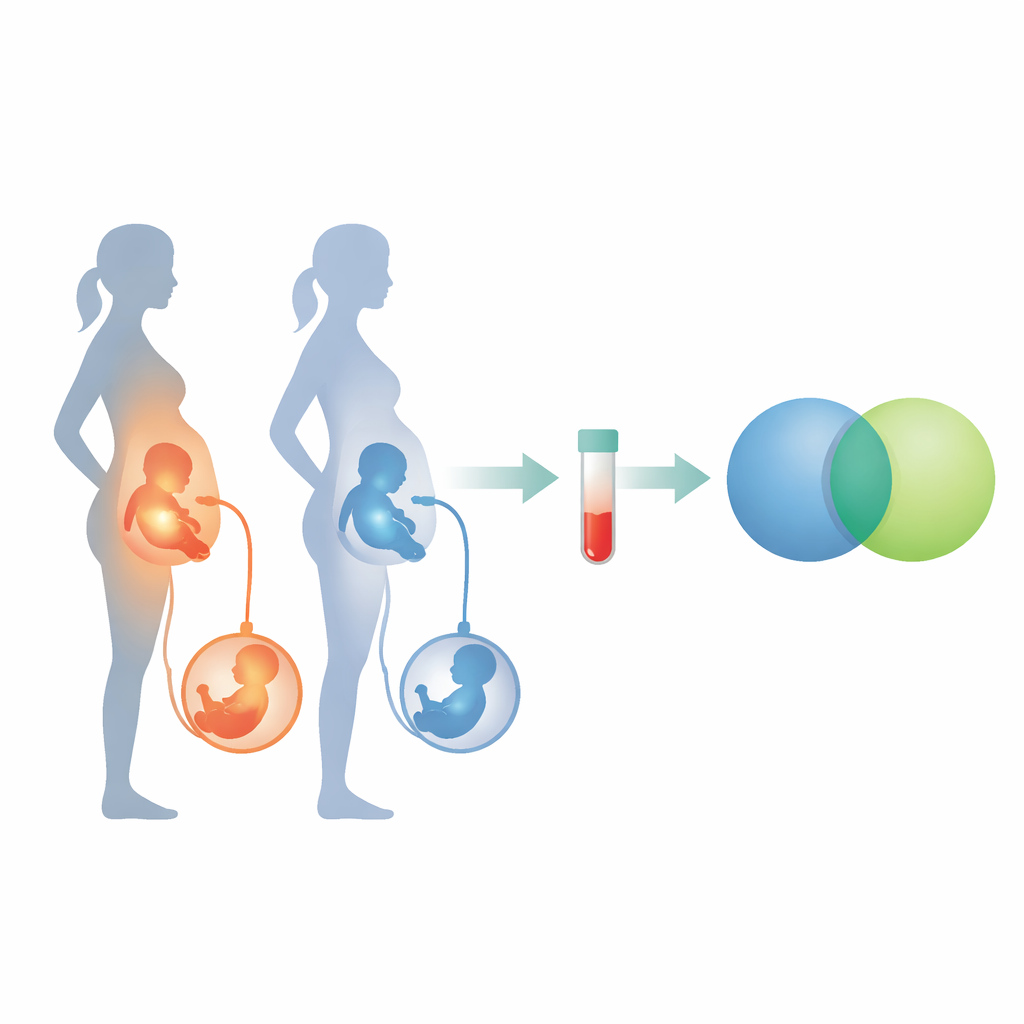
Right after birth, doctors can sample blood from the umbilical cord to get an objective snapshot of how the baby was doing in the womb during labor. This test measures acidity (pH), carbon dioxide, oxygen, and other components that together paint a picture of how well the baby was supplied with oxygen and how hard the body had to work under stress. Very acidic blood suggests the baby may have been short on oxygen. In this study from a large hospital in northern Poland, researchers compared these cord blood measurements in 191 births, including 44 mothers with gestational diabetes and 147 without the condition. All women were carefully diagnosed using international guidelines, and only blood from the artery in the cord—closest to what the baby’s body actually experienced—was analyzed, under strictly standardized lab procedures.
How the study was carried out
The research followed women who came for routine care late in the second trimester, when gestational diabetes is typically diagnosed with a sugar drink test. Women were assigned to either the gestational diabetes group or the comparison group with normal sugar levels. The team excluded other illnesses and pregnancy problems that might muddy the results, such as preexisting diabetes, high blood pressure, thyroid disease, or multiple pregnancies. For those with gestational diabetes, some were managed with diet changes alone while others needed insulin injections. At birth, the researchers recorded delivery details, baby weight, Apgar scores (a quick assessment of a newborn’s condition), and whether the baby needed intensive care, alongside the chemical makeup of cord blood.
What the cord blood revealed
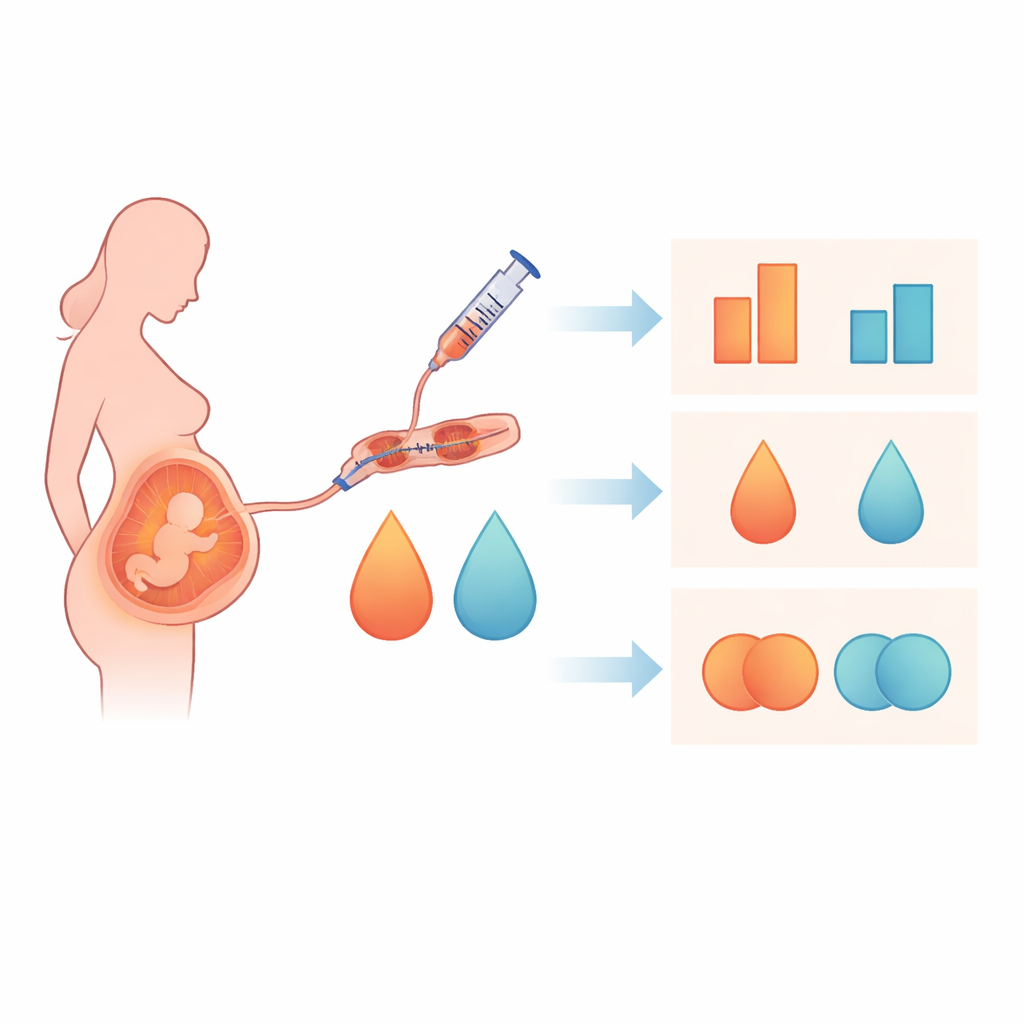
Contrary to the common fear that gestational diabetes automatically means a more stressed baby, the findings were reassuring. Newborns of mothers with gestational diabetes actually had slightly higher pH values—meaning their blood was less acidic—and slightly lower levels of carbon dioxide compared with babies from uncomplicated pregnancies. Oxygen levels and other measures that reflect the body’s buffering capacity were similar between the two groups. Importantly, within the gestational diabetes group, babies whose mothers needed insulin had cord blood results that were not meaningfully different from those managed by diet alone. Overall birth weights, Apgar scores, rates of premature birth, and admissions to the neonatal intensive care unit were also similar, suggesting that, in this setting, gestational diabetes did not translate into obvious extra strain at birth.
Clues about care and timing of delivery
The pattern of slightly higher pH and lower carbon dioxide in the gestational diabetes group hints that careful medical management may actually protect babies from the breathing-related part of acid build-up rather than worsen it. Many mothers with gestational diabetes receive closer monitoring, more frequent checks of blood sugar, and earlier, well-planned deliveries. In this study, over half of the women with gestational diabetes used insulin, which usually goes hand in hand with tighter control and more vigilant follow-up. The gestational diabetes group also delivered, on average, a bit earlier, which can limit long, stressful labors. Together, these practices may help prevent the baby from building up excess carbon dioxide during birth and keep acid–base balance within a safe range.
What this means for parents and clinicians
For families facing a new diagnosis of gestational diabetes, the most important takeaway is that the condition does not inevitably mean their baby will arrive low on oxygen or with dangerous acid levels in the blood. In this well-organized hospital, where gestational diabetes was diagnosed with modern criteria and pregnancy care followed clear protocols, babies of mothers with the condition had cord blood results that were at least as good—and in some respects slightly better—than those of mothers without diabetes. The study does not claim gestational diabetes is harmless; it still raises other risks and demands close attention. But it strongly suggests that with good blood sugar control, careful monitoring, and thoughtful timing and management of delivery, many of the feared chemical signs of stress in newborns can be avoided.
Citation: Szablewska, A., Zając, B. Differences in umbilical cord blood gas parameters between women with and without gestational diabetes: a single-center prospective–retrospective cohort study. Sci Rep 16, 14403 (2026). https://doi.org/10.1038/s41598-026-43352-8
Keywords: gestational diabetes, umbilical cord blood, newborn oxygenation, pregnancy outcomes, acid–base balance