Clear Sky Science · en
Prevalence and associated factors of anemia among women of childbearing age in the eastern region of Burkina Faso
Why this study matters for women’s health
Anemia—having too few healthy red blood cells—is often treated as a minor problem, but in many parts of the world it quietly drains energy, harms pregnancies, and even contributes to early death. This study looks closely at anemia among women of childbearing age in the eastern region of Burkina Faso, where rates are among the highest in the world. By asking who is most affected and what living situations are linked to anemia, the researchers aim to guide more effective programs to protect women’s health and their babies’ futures.
A hidden burden among everyday women
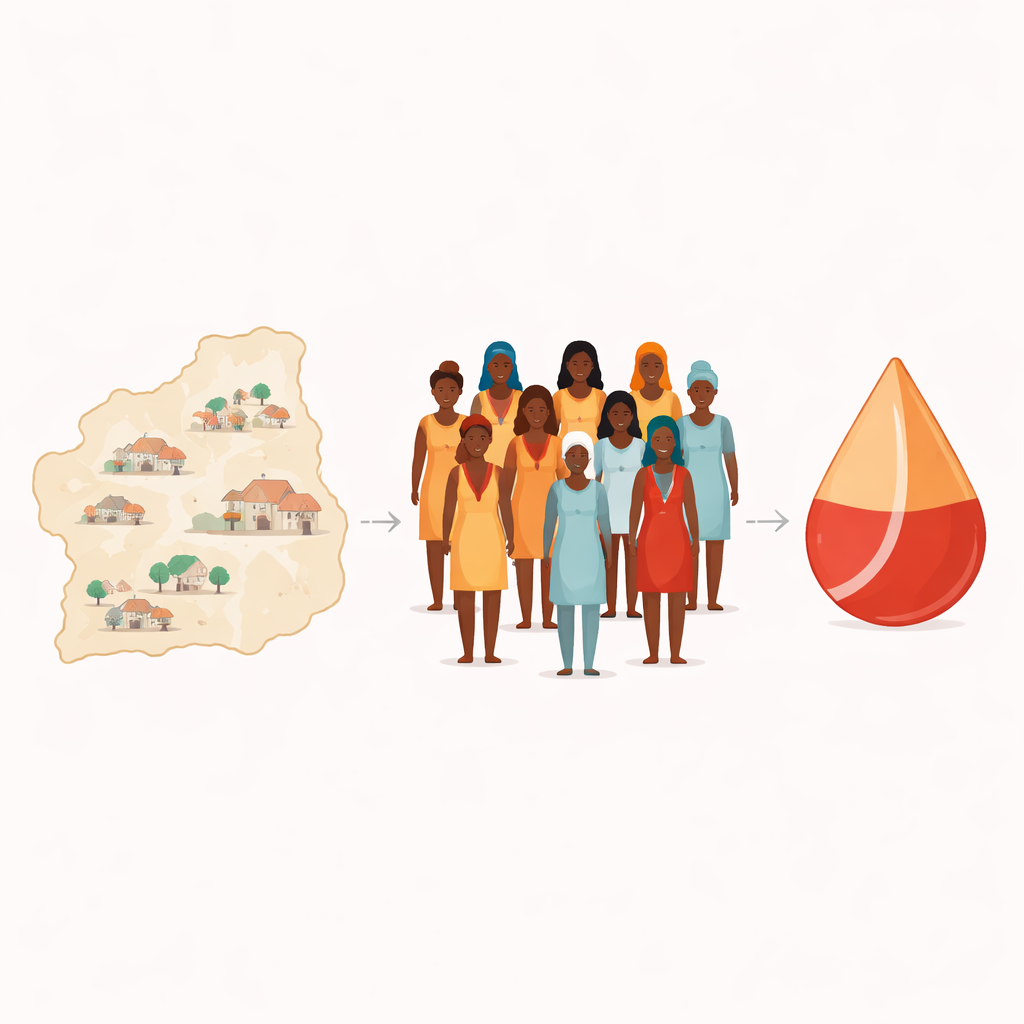
The research team surveyed 614 women between 15 and 49 years old in two provinces, Gourma and Gnagna. They visited households, interviewed women about their lives, and measured hemoglobin—the key indicator of anemia—with a quick finger-prick blood test. Using World Health Organization thresholds, they classified women as anemic or not, and graded how severe the problem was. The headline finding is stark: nearly three out of four women in this region were anemic, whether or not they were pregnant. This level is far above the 40% threshold that marks a severe public health problem and shows that anemia is not a rare medical condition, but a common part of life for most women there.
Looking beyond diet and poverty
The researchers did not stop at counting cases. They also examined a wide range of household and personal factors to see which ones were linked with anemia. At the household level, they looked at food consumption, how much of a family’s budget went to food, the presence of basic amenities like latrines, and whether the family was very poor or better off. Surprisingly, none of these household characteristics showed a strong statistical connection to anemia. Women from very poor homes were almost as likely to be anemic as those from richer homes, and families with better food consumption scores did not clearly escape the problem.
The role of age, partnership, and supplements
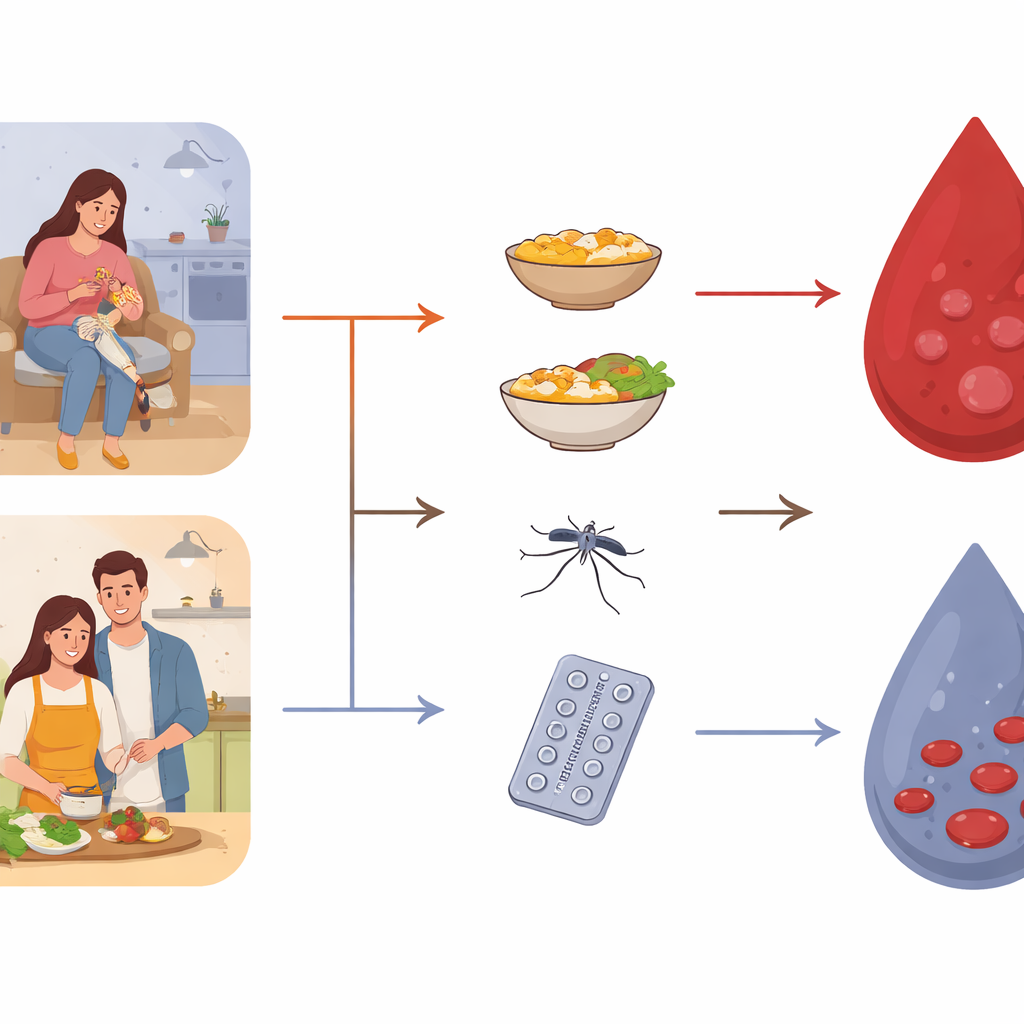
When the team focused on individual women’s situations, clearer patterns emerged. Age mattered: anemia rates varied across age groups, reflecting different nutritional needs and life stages, such as adolescence, pregnancy, and breastfeeding. Marital status was especially important. Women who were single, divorced, or widowed were more than five times as likely to be anemic as married women, even after accounting for other factors. This suggests that emotional support, shared income, or help with food and health care from a partner might offer real protection. The study also explored iron and folic acid tablets, which are commonly given during pregnancy. Women who reported taking these supplements differed in their anemia status from those who did not, highlighting how important regular access and proper use of these tablets can be, even though the number of users in the sample was relatively small.
Health programs that miss those who stay home
The findings sit against the backdrop of Burkina Faso’s broader fight against anemia and malaria. National programs distribute iron and folic acid tablets to pregnant women, deworming medicines to children and pregnant women, fortified foods, and preventive treatments against malaria. However, these services are mostly delivered through health centers or mass campaigns. Women who rarely visit clinics, or who are socially isolated, can easily be missed. The study notes that coverage figures do not guarantee that tablets are actually swallowed, and that girls and women who are not currently pregnant receive relatively little attention, even though they are also at high risk of anemia and its long-term consequences.
What the results mean in everyday terms
In simple terms, this study shows that anemia is the norm rather than the exception for women of childbearing age in eastern Burkina Faso, and that personal circumstances—especially living alone and limited access to iron and folic acid—play a major role. It suggests that to truly protect women’s health, policies must look beyond general poverty or food supply and pay close attention to who is socially supported and who is being reached by health services. By targeting women who are single, widowed, or divorced, and by expanding access to iron-rich diets and supplements beyond clinic walls, public health programs could reduce this quiet but serious drain on women’s lives and the well-being of their children.
Citation: Ouedraogo, O., Compaore, E.W.R., Ouedraogo, O. et al. Prevalence and associated factors of anemia among women of childbearing age in the eastern region of Burkina Faso. Sci Rep 16, 12963 (2026). https://doi.org/10.1038/s41598-026-43300-6
Keywords: anemia, women’s health, Burkina Faso, iron deficiency, maternal nutrition