Clear Sky Science · en
Design, synthesis, and in vivo antiepileptic evaluation of novel quinazolinone-phthalimide derivatives
Why new seizure medicines matter
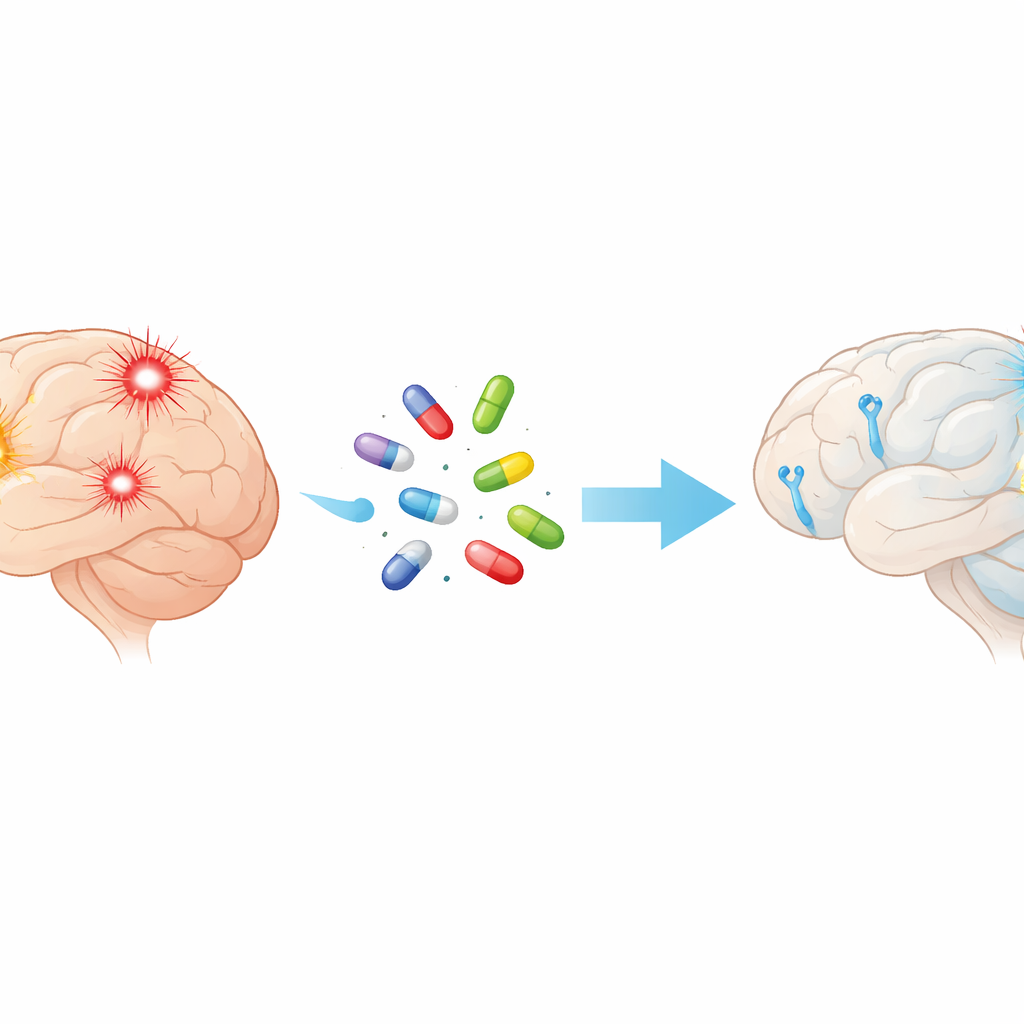
For people living with epilepsy, seizures can strike without warning, disrupting school, work, and everyday life. Current seizure medicines help many, but about one in three patients still have attacks despite treatment, often along with troubling side effects like drowsiness or mood changes. This study explores a new family of laboratory‑made molecules designed to calm overactive brain circuits in a more targeted way, hoping to pave the path toward safer and more effective antiepileptic drugs.
A closer look at epilepsy in the brain
Epilepsy arises when the brain’s normal balance between “go” and “stop” signals breaks down and nerve cells fire in sudden bursts. Many existing drugs try to restore this balance by boosting the brain’s main calming messenger, a chemical called GABA, or by dampening electrical signals that spread through nerve cells. Even so, a significant fraction of patients continue to have uncontrolled seizures, highlighting the need for fresh chemical designs that act on known targets but fit those targets better, much like a custom‑cut key.
Designing a new type of seizure‑calming key
The researchers focused on two chemical building blocks—quinazolinone and phthalimide—that have each shown seizure‑protective effects in earlier work. They linked these units together into a series of “hybrid” molecules, tweaking side chains to change shape and flexibility, and then confirmed the structures using standard lab techniques. The idea was that these hybrids would snugly fit into a well‑known docking site on the GABAA receptor, a protein that controls calming signals between nerve cells and is also targeted by drugs like diazepam (Valium). By improving how tightly and specifically the new molecules bind, the team hoped to get strong seizure protection without extra toxicity.
Testing seizure protection in living animals
To see whether the new molecules actually protect the brain, the team tested them in two different rodent seizure models. In one, a chemical called pentylenetetrazole blocks the brain’s calming signals and triggers brief seizures in mice; in the other, a lithium‑pilocarpine combination overstimulates certain brain regions in rats and causes longer‑lasting fits. Several of the new compounds delayed the first seizure, reduced how many seizures occurred, and lowered the chance of death. Two standouts, labeled 8j and 8k, performed about as well as diazepam and another reference drug across both models, yet caused no deaths at the tested doses, suggesting a promising balance between benefit and safety.
How the new molecules grip their target
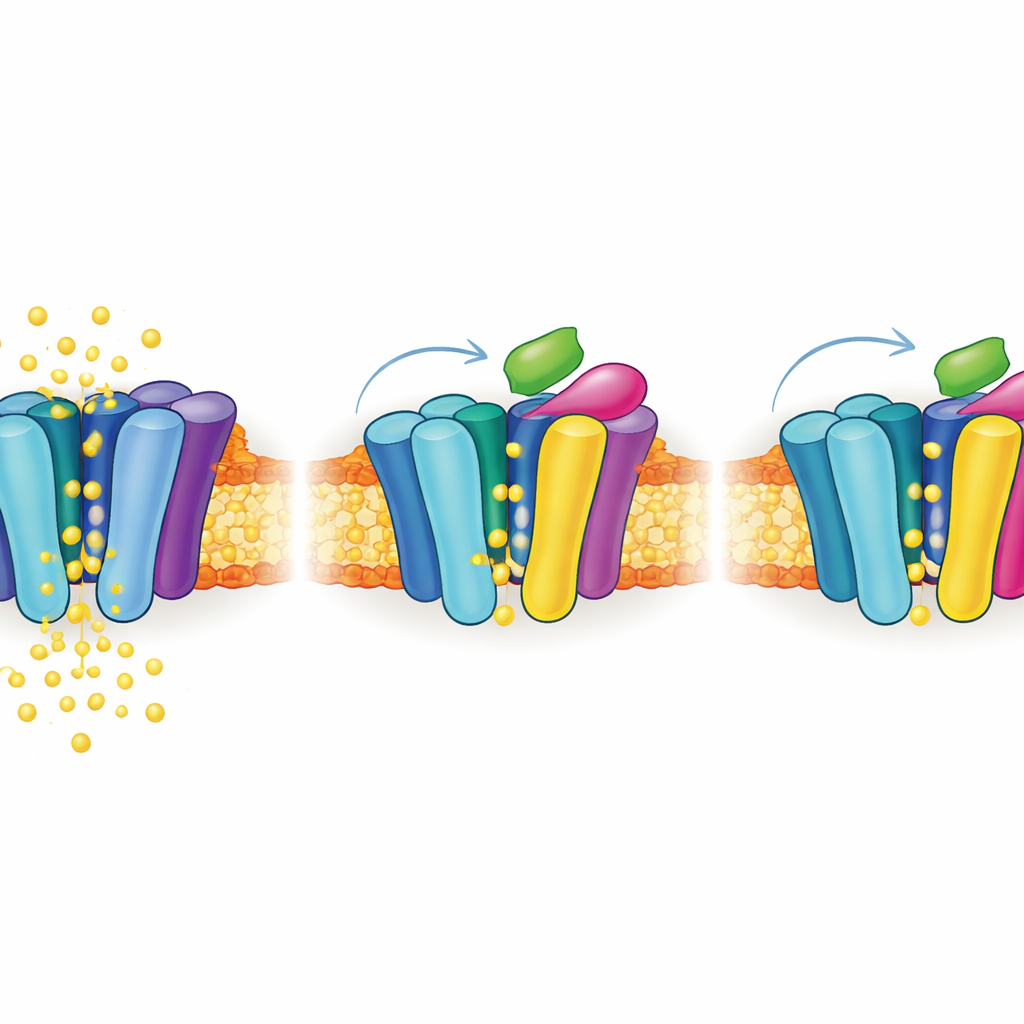
Computer‑based simulations helped explain why 8j and 8k worked so well. Docking studies—like virtual lock‑and‑key tests—showed that these molecules settle deep into the same pocket on the GABAA receptor that known drugs occupy, forming contacts with key amino acids and even extending a bit further than standard medicines. Molecular dynamics simulations, which mimic the constant motion of proteins and drugs in watery surroundings, indicated that the complexes between the receptor and 8j or 8k remain stable over time. Additional computational checks suggested that these molecules should be absorbed from the gut, cross into the brain, and avoid being pumped back out too quickly, all desirable traits for a nervous‑system medicine.
Clues from blocking the pathway
The team also used a drug called flumazenil, which specifically blocks the benzodiazepine site on the GABAA receptor, to probe how 8j and 8k work in live animals. When flumazenil was given together with these new compounds, it reduced their ability to delay seizures in a way similar to how it blunts diazepam’s effects. This pattern strongly suggests that 8j and 8k calm seizures mainly by fine‑tuning the same receptor system, rather than through unrelated brain pathways. Combined with their good safety profile in the short term, these findings strengthen the case that the molecules are acting through the intended calming “gate” on brain cells.
What this could mean for people with epilepsy
While these results are early and limited to animal and computer studies, they show that smartly designed quinazolinone‑phthalimide hybrids can rival established seizure medicines in strength while appearing safe at tested doses. Compounds 8j and 8k, in particular, stand out as strong lead candidates because they both protect against different types of chemically induced seizures and bind stably to a major calming receptor in the brain. With further testing for long‑term safety, dosing, and effectiveness in more realistic models, this new chemical family could eventually contribute to a broader toolkit of seizure medicines, especially for patients who do not respond well to today’s options.
Citation: Moradkhani, F., Asadi, M., Dehpour, A.R. et al. Design, synthesis, and in vivo antiepileptic evaluation of novel quinazolinone-phthalimide derivatives. Sci Rep 16, 14479 (2026). https://doi.org/10.1038/s41598-026-43166-8
Keywords: epilepsy, seizure medication, GABA receptor, drug design, antiepileptic therapy