Clear Sky Science · en
Berberine-entrapped albumin nanoparticles ameliorate chemically induced liver injury by restoring oxidative balance and autophagic-apoptotic crosstalk
Why a plant compound and tiny particles matter for your liver
The liver quietly handles much of the body’s heavy lifting: processing food, breaking down medicines and toxins, and keeping blood chemistry in balance. When it is damaged by chemicals or chronic disease, people can develop cirrhosis or liver cancer, conditions that remain difficult to treat. This study explores whether berberine—a natural yellow compound used in traditional medicine—can better protect the liver when it is packaged inside tiny protein-based particles and given after chemical injury in rats.
A common organ under constant attack
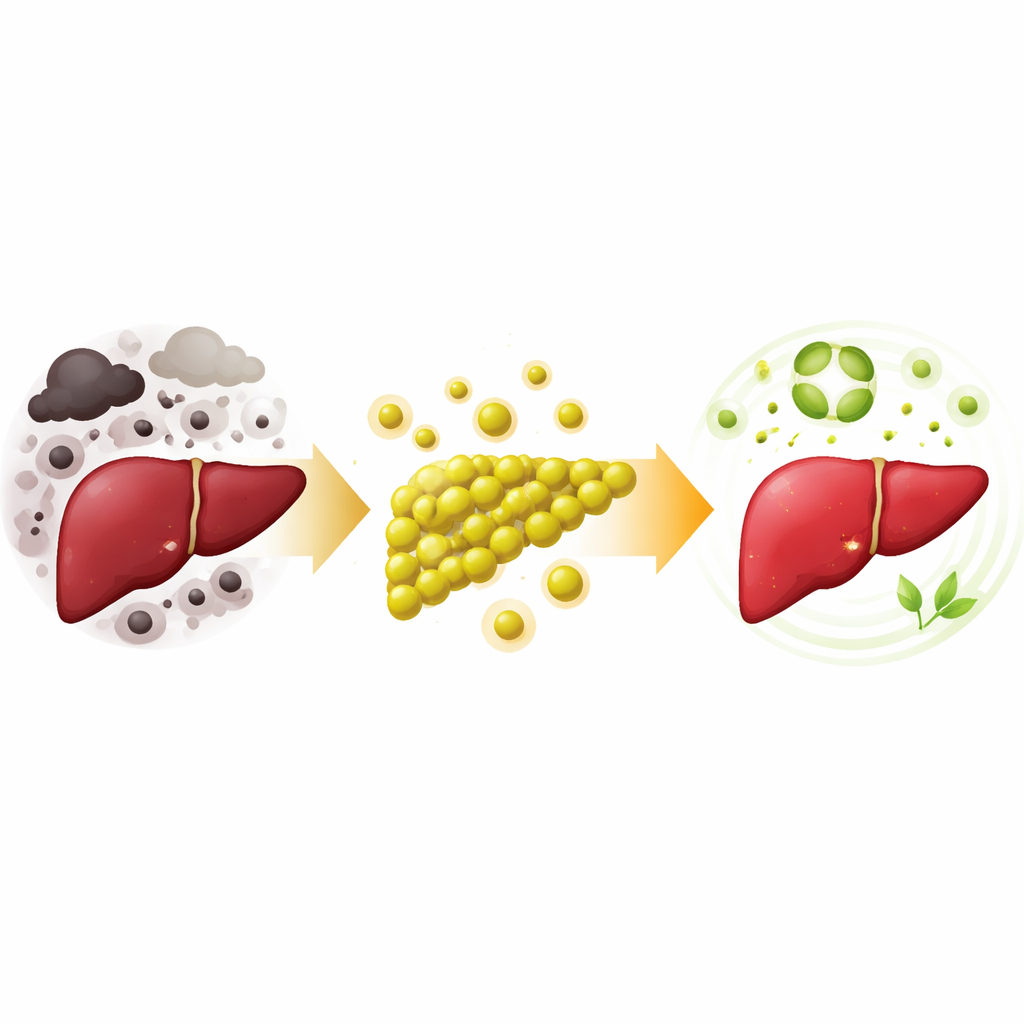
The liver is often the first organ to encounter harmful chemicals. In the lab, researchers mimic early stages of human liver disease by giving animals two well-known toxins, diethylnitrosamine and carbon tetrachloride. Together they trigger inflammation, scarring, and cell damage that resemble the conditions that can precede liver cancer. In this model, the animals’ blood shows high uric acid, a sign that waste handling has gone awry, and their liver tissue reveals an overload of unstable oxygen-containing molecules that attack cells.
Turning a plant ingredient into a smarter medicine
Berberine has attracted attention for its anti-inflammatory and anticancer actions, but when taken by mouth it is poorly absorbed and quickly broken down. To get more berberine into liver cells, the team trapped it inside nanoparticles made from bovine serum albumin, a common blood protein. These particles are biodegradable, inexpensive, and naturally drawn to the liver. Computer modeling suggested that berberine can lodge in a key control protein inside cells called PI3K, hinting that it might influence survival and self-cleaning pathways that often go wrong in liver disease.
Helping liver cells clean up and let go
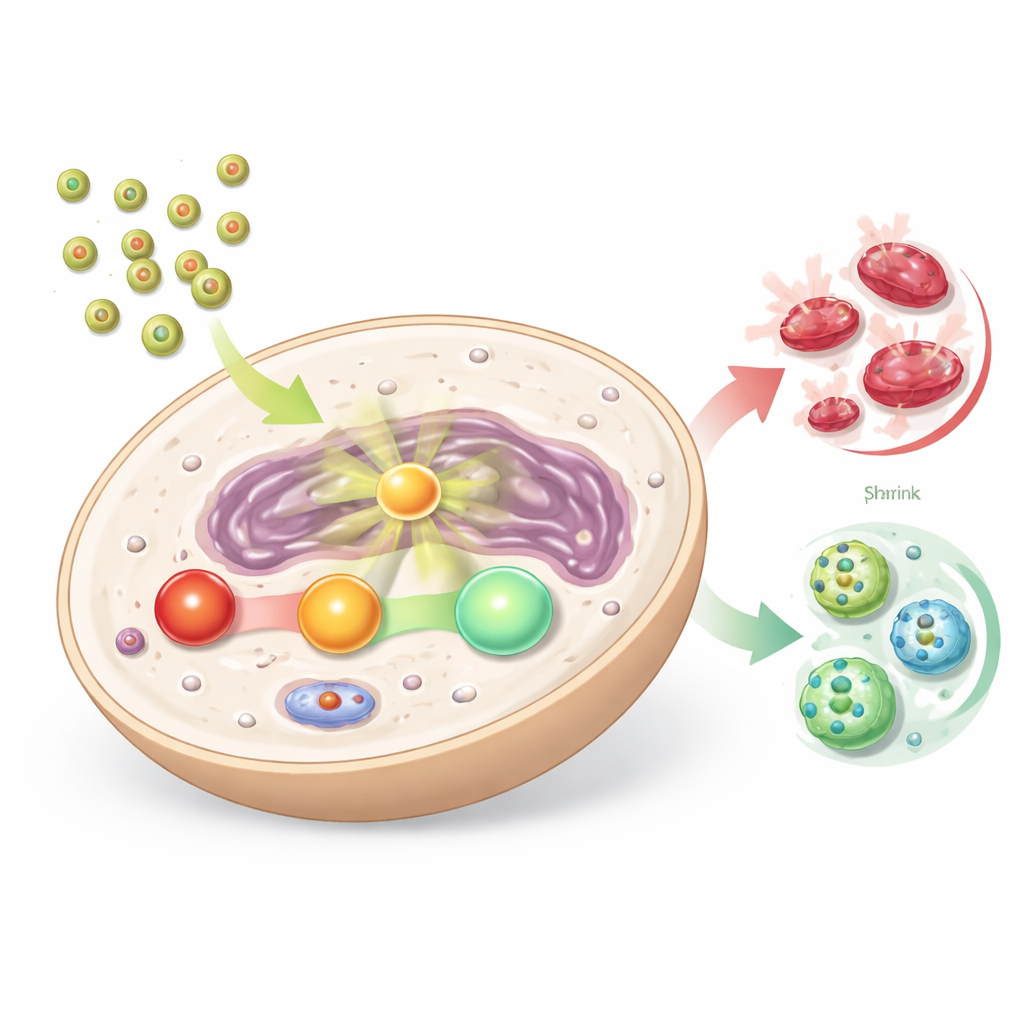
After the rats’ livers were damaged with chemicals, some animals received the berberine-loaded nanoparticles as a treatment, while others received them beforehand as a preventive step. Treatment after injury worked best. It brought uric acid levels in the blood back close to normal and reduced markers of oxidative stress, such as nitric oxide and an enzyme called xanthine oxidase, while boosting a protective enzyme that disarms harmful oxygen species. Inside liver cells, signals that normally block cellular “housekeeping” were dialed down, and markers of active clean-up systems rose again. At the same time, the balance between proteins that encourage damaged cells to die and those that keep them alive shifted toward healthy removal of compromised cells instead of unchecked survival.
Visible repair inside the organ
Microscope images of liver tissue backed up these chemical measurements. In untreated animals, the liver architecture was badly distorted, with swollen blood spaces, bleeding, and clumps of inflammatory cells. Animals that received nanoparticles before injury showed only partial structural protection. In contrast, those treated afterward displayed liver tissue that looked much closer to normal, with only small remaining irregularities. This suggests that, in this setting, helping the liver recover from damage may be more effective than trying to shield it in advance for a limited period.
What these findings could mean for people
The study concludes that berberine-packed albumin nanoparticles can reverse many signs of early chemical liver injury in rats. By reducing oxidative stress, reactivating the cells’ internal recycling machinery, and restoring a healthy balance between cell survival and cell death, this nano-form of a familiar plant compound appears to guide damaged liver tissue back toward normal function. While these results are promising, they come from an animal model and computer simulations, not from human trials. Still, they offer a glimpse of how combining natural products with smart delivery systems might one day yield gentler, more targeted ways to protect and heal the liver.
Citation: Zaied, H., Ashmawy, M.I., Abdel Karim, A.E. et al. Berberine-entrapped albumin nanoparticles ameliorate chemically induced liver injury by restoring oxidative balance and autophagic-apoptotic crosstalk. Sci Rep 16, 10531 (2026). https://doi.org/10.1038/s41598-026-43119-1
Keywords: liver injury, berberine, nanoparticles, oxidative stress, autophagy