Clear Sky Science · en
Sustained elution of amikacin, clindamycin, and vancomycin from a biodegradable cross-linked dextran gel
Why local infection treatment matters
Deep or stubborn infections around bones, surgical sites, and medical implants are notoriously hard to treat. Blood does not always reach these areas well, and bacteria can hide inside slimy protective layers called biofilms, making them tougher to kill. Doctors often respond with long courses of strong antibiotics, which can damage organs and disrupt healthy microbes in the gut. This study explores a different approach: placing a dissolvable gel loaded with antibiotics directly at the problem site, so very high drug levels bathe the infection while the rest of the body is largely spared.
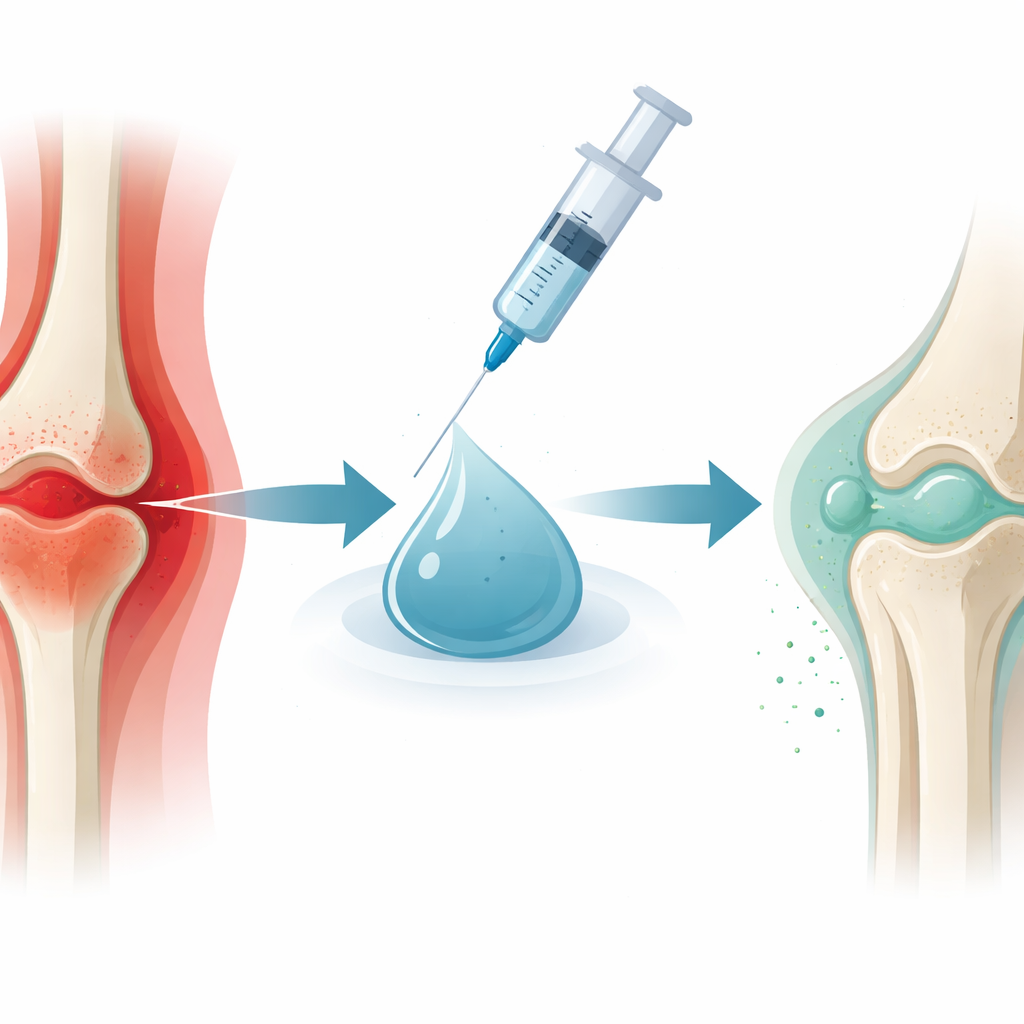
A dissolving gel that carries medicine
The researchers focused on a soft, jelly-like material called cross-linked dextran gel. It is made from a sugar-based substance that can be injected as a liquid and quickly firms up into a gel. Importantly, it is designed to slowly break down in the body and does not trigger strong immune reactions. Because it eventually disappears, there is no need for a second surgery to remove it, unlike some older solid antibiotic beads. The team loaded this gel with three widely used antibiotics—amikacin, clindamycin, and vancomycin—either alone or in one dual-drug mixture, and then studied how the drugs seeped out over time in the lab.
Testing how the gel releases antibiotics
To mimic the fluids around tissues, the scientists placed small, measured amounts of each antibiotic-filled gel into test tubes containing a salt solution kept at body temperature and gently shaken. Every 24 hours, they removed the liquid, replaced it with fresh solution, and froze the samples for later testing. Using sensitive analytical methods, they measured how much of each drug appeared in the liquid on specific days up to 16 days. They compared these levels with known cutoffs called minimum inhibitory concentrations—the lowest drug levels needed to stop growth of common disease-causing bacteria used as standards in human medicine.
Two-phase release and how long it lasts
All of the antibiotic gels followed the same basic pattern. There was a strong burst of release in the first day, with very high drug levels flooding out of the gel, followed by a slower, steady trickle over many days. This “two-phase” release is useful: the early surge can quickly attack bacteria, while the slower phase keeps levels high enough to prevent regrowth. In the tests, amikacin stayed above the needed threshold for at least seven days, clindamycin for about ten days, and vancomycin for the full 16 days of the study. The combination gel with both amikacin and clindamycin released large amounts of each drug and showed similarly strong staying power. Overall, more than 80 percent of the loaded drug eventually left the gel, meaning very little remained trapped when the material had fully dissolved.
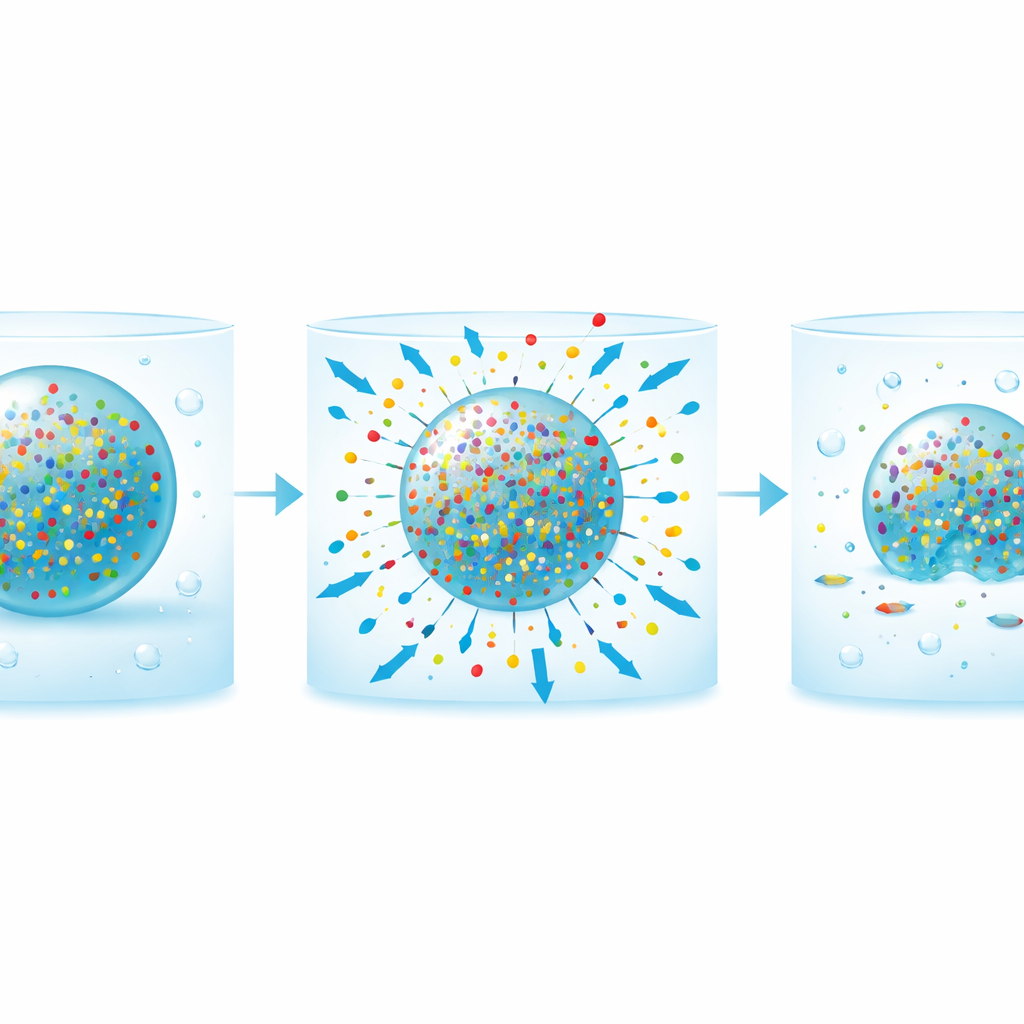
What happens to the gel itself
The gel did not remain intact forever. Gels containing amikacin dissolved completely by about day 13, while those with only clindamycin or vancomycin held their shape a little longer before breaking down by day 16. Importantly, the gel tended to disappear not long after drug levels dropped below useful concentrations. This timing is helpful: if an empty material stayed in the body for too long, it could become a new surface for bacteria to colonize. By vanishing within a couple of weeks, the dextran gel may lower that risk compared to permanent plastic carriers used in some older local treatment systems.
What this could mean for patients
Although this work was done in the lab and not yet in people, it strongly suggests that this biodegradable gel can deliver powerful doses of antibiotics right where they are needed, for at least a week and sometimes much longer, while eventually dissolving completely. For patients with difficult bone or implant infections—or animals with similar problems—such a system could reduce the need for prolonged high-dose intravenous drugs and their side effects. The study supports cross-linked dextran gel as a promising local delivery tool and lays the groundwork for future animal and human trials to see whether this strategy can safely reduce surgical site infections and improve recovery in real-world care.
Citation: Barrett, J.G., Raffetto, J.A., Papich, M.G. et al. Sustained elution of amikacin, clindamycin, and vancomycin from a biodegradable cross-linked dextran gel. Sci Rep 16, 14182 (2026). https://doi.org/10.1038/s41598-026-43047-0
Keywords: local antibiotic delivery, biodegradable hydrogel, surgical site infections, drug release kinetics, implant infections