Clear Sky Science · en
Quality of life in children with defecation disorders compared with healthy
Why Bathroom Troubles Matter for Children’s Lives
Most parents think of constipation or bathroom accidents as short-term hassles, but for many children these problems are long‑lasting, deeply uncomfortable, and emotionally painful. This study from West China Hospital asks a simple but important question: how much do defecation disorders—such as chronic constipation and fecal incontinence—shape a child’s everyday life, compared with children who don’t have these issues? By looking beyond the toilet to sleep, school, friendships, and mood, the researchers show that bathroom troubles can touch nearly every corner of a child’s world.
Who the Researchers Studied
The team surveyed 161 children with defecation disorders who visited a large children’s hospital over two months in 2024. These youngsters had conditions ranging from stubborn constipation and fecal incontinence to Hirschsprung’s disease and ongoing problems after surgery. For comparison, the researchers also recruited 86 healthy children from local communities, matched as closely as possible in age and sex. In all cases, caregivers—who spent at least four hours a day with the child—filled out detailed questionnaires about the child’s health and day‑to‑day functioning, as well as their own emotional reactions.
How Life Quality Was Measured
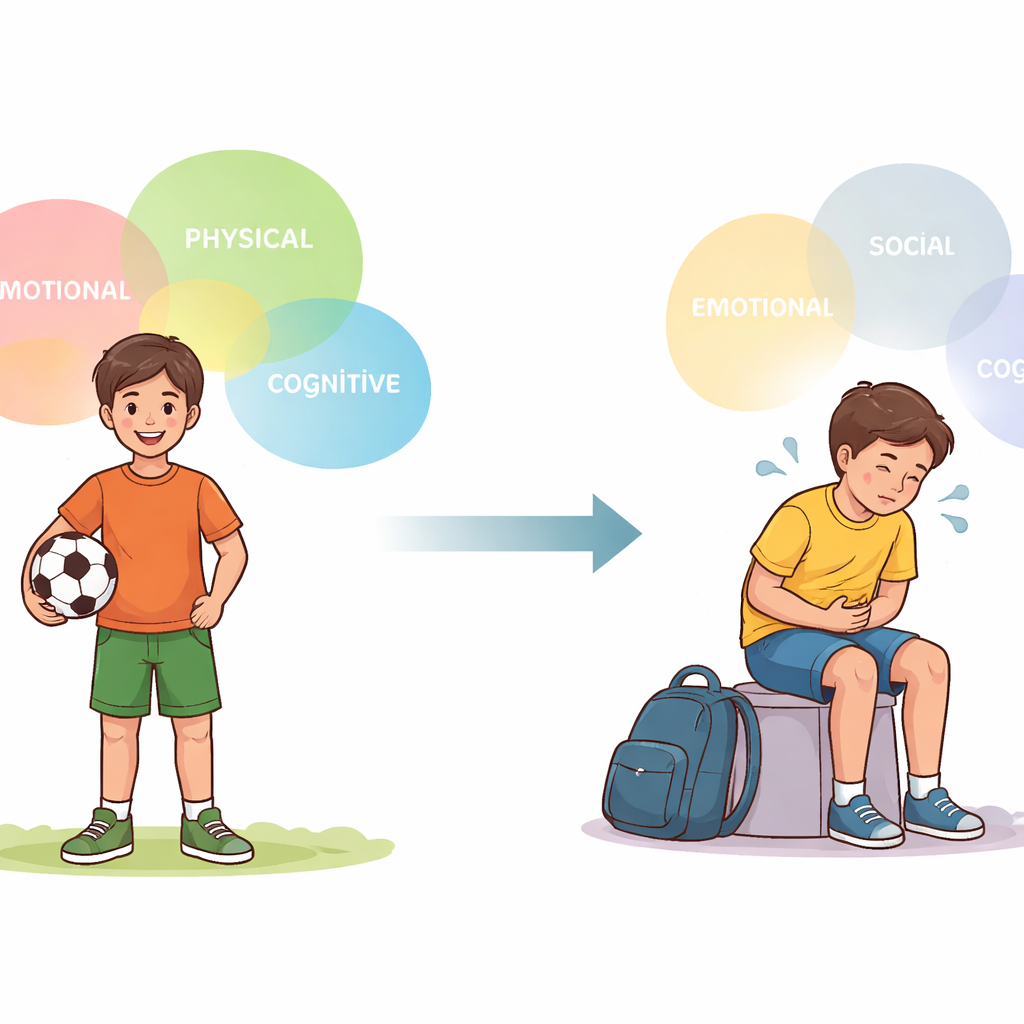
To capture the children’s overall well‑being, the study used a widely adopted tool called the Pediatric Quality of Life Inventory, in a carefully validated Chinese version. Rather than focusing on medical test results, this scale asks how often children struggle with problems in four areas: physical health (such as pain or tiredness), emotions (worry, sadness, irritability), social life (getting along with others, feeling accepted), and thinking skills (attention, memory, schoolwork). Each answer is converted into a score from 0 to 100, where higher numbers mean better quality of life. The researchers also asked caregivers of affected children whether they themselves felt fatigue, sleep problems, irritability, depression, or other negative emotions linked to the child’s condition.
What the Study Found
Across the board, children with defecation disorders had clearly lower scores than healthy peers in every domain—physical, emotional, social, cognitive, and overall. In other words, these conditions were not just about tummy aches or infrequent bowel movements; they were tied to more worry and low mood, difficulties with friends, and trouble concentrating or keeping up mentally. This pattern held true regardless of the specific diagnosis. Whether a child had Hirschsprung’s disease, long‑standing constipation, fecal incontinence, or post‑surgery problems, their quality‑of‑life scores clustered together and all lagged behind those of healthy children.
Emotional Ripples for Children and Caregivers
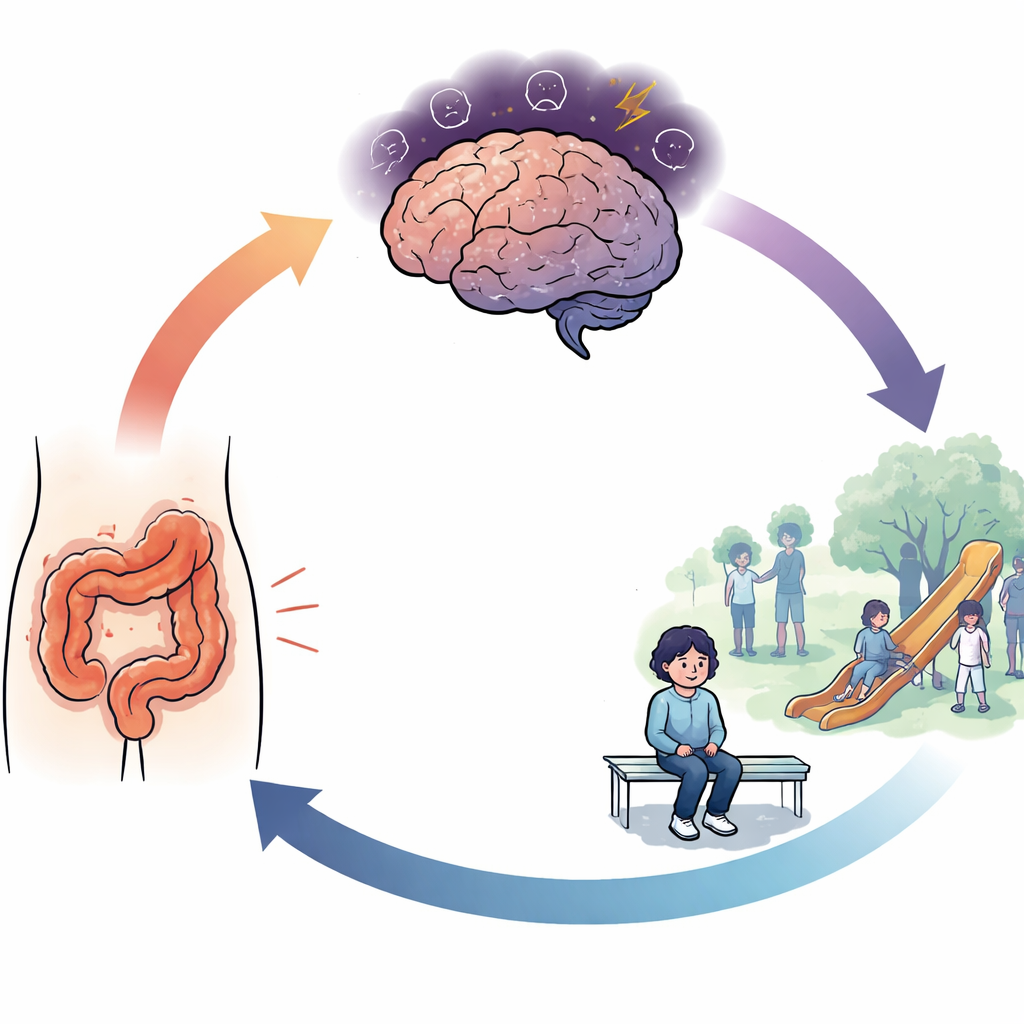
The study also shines light on the emotional “second hand smoke” of pediatric bowel disorders. Nearly half of caregivers of affected children reported some form of negative feeling. Irritability, depression, and fatigue were especially common, yet these reactions did not differ much among parents of children with different types of defecation disorder. This suggests that it is the day‑to‑day strain of managing symptoms—worrying about accidents, enforcing diet and medication routines, and coping with social embarrassment—rather than the medical label itself, that weighs heavily on families. For children, the authors describe a two‑way loop: physical discomfort fuels anxiety and low mood, which can in turn tighten muscles and worsen constipation or incontinence, trapping families in a vicious cycle.
Why These Findings Matter
For families and clinicians alike, the message is clear: children’s bathroom problems are not merely private or minor issues that can be brushed aside. This study shows that defecation disorders can seriously erode how children feel, function, and grow, even when no life‑threatening disease is present. The authors argue that care should move beyond simply “fixing” bowel movements to supporting the whole child—easing pain, helping with emotions, encouraging social participation, and protecting learning and attention. They also call for better information and group‑based support for caregivers, whose own well‑being influences how effectively they can help their children. Addressing both body and mind, they suggest, offers the best chance to restore a healthier, happier daily life for these children.
Citation: Yang, Y., An, T., Feng, L. et al. Quality of life in children with defecation disorders compared with healthy. Sci Rep 16, 12962 (2026). https://doi.org/10.1038/s41598-026-43007-8
Keywords: pediatric constipation, fecal incontinence, child quality of life, caregiver stress, gut–brain interaction