Clear Sky Science · en
The impact of ERAP1 inhibition on metabolite homeostasis of melanoma cells
Why this matters for future cancer treatments
Cancer immunotherapy aims to help the body’s own defenses recognize and destroy tumors, but many experimental drugs risk disturbing the cell’s basic chemistry along the way. This study asks a simple but crucial question: if we block a key immune-related enzyme inside melanoma cells, do we accidentally disrupt the thousands of small molecules they need to stay alive and function normally? The answer, at least for the drug tested here, appears reassuring.
A cellular gatekeeper for immune recognition
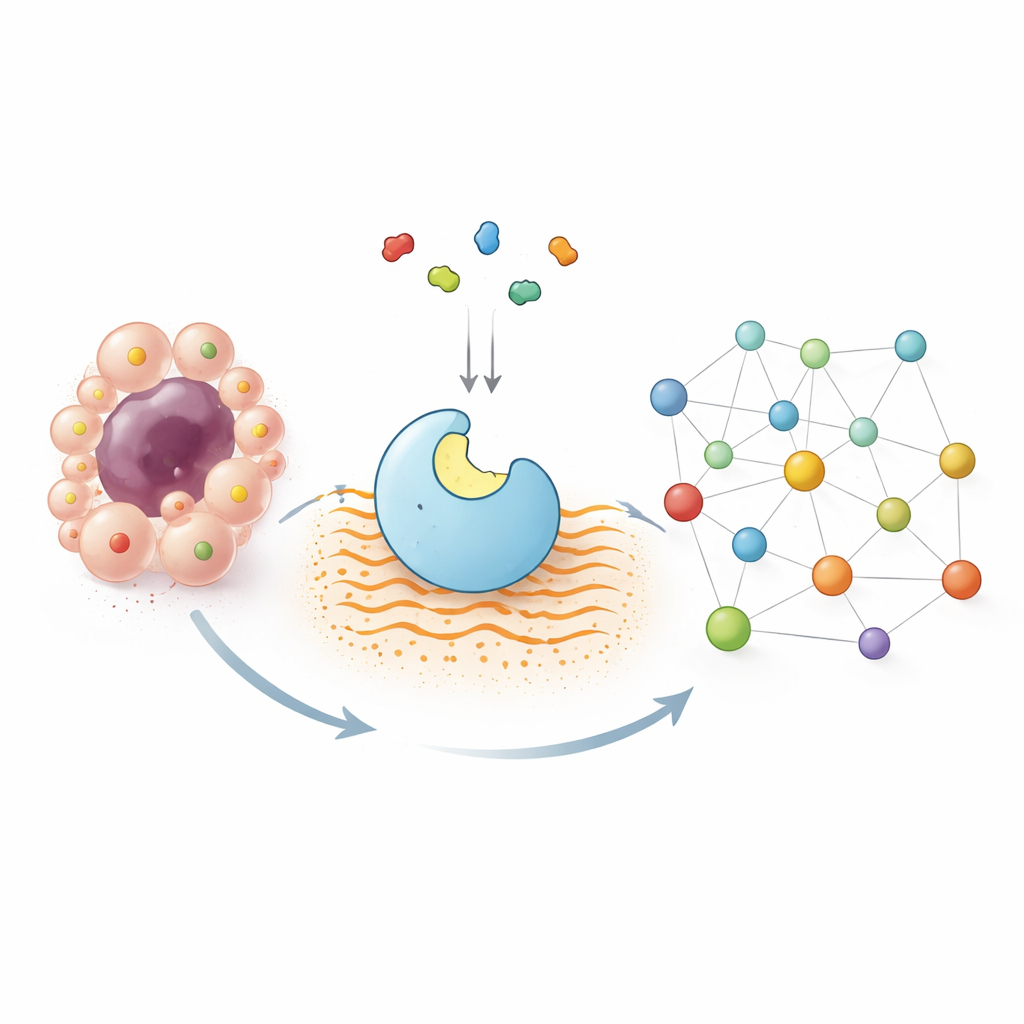
Inside our cells, a protein called ERAP1 acts like a molecular trimmer. It shortens fragments of other proteins so they can be shown on the cell surface to patrolling immune cells. This trimming helps the immune system tell healthy cells from infected or cancerous ones. Because ERAP1 shapes what the immune system “sees,” scientists have been exploring ways to tune its activity with drugs—either to make tumors more visible to immune attack or to adjust harmful immune reactions in autoimmune disease.
A targeted inhibitor under the microscope
Earlier work uncovered a small molecule, known here simply as “compound 3,” that binds to a special control site on ERAP1 rather than its main cutting surface. This so‑called allosteric site is structurally distinct, allowing the compound to block ERAP1 with high selectivity while sparing related enzymes. When researchers previously used this inhibitor in melanoma cells, they saw subtle signs of stress in cellular proteins and energy pathways, raising the possibility that the drug might be quietly disturbing deeper metabolic processes that standard toxicity tests could miss.
Measuring thousands of cellular building blocks
To probe this concern, the team compared five conditions in a human melanoma cell line: normal cells, cells treated with a moderate dose of the ERAP1 inhibitor, cells treated with a high (near-saturating) dose, and cells in which the ERAP1 gene had been completely deleted, plus reference controls. Using non‑targeted metabolomics—a broad, unbiased survey of small molecules—they tracked over 8600 metabolite “features” detected by advanced liquid chromatography–mass spectrometry. Sophisticated statistical tools were then used to clean the data, estimate missing values, and search for meaningful shifts in metabolite patterns across conditions.
Little metabolic disruption from drug treatment
The big-picture analyses, which condense thousands of measurements into visual maps, showed that all treatment groups overlapped heavily, suggesting that the global metabolic landscape was largely unchanged. More sensitive methods found no statistically significant metabolite changes in cells exposed to either dose of the inhibitor, with the exception of a single sugar-related molecule at the highest dose. Key compounds tied to energy balance, oxidative stress, and cell survival—such as glutathione, lactic acid, and sphingolipids—remained essentially stable. In contrast, cells completely lacking ERAP1 displayed small but clearer shifts, affecting only about 25 metabolite features; one standout was choline, a nutrient involved in cell membranes and immune regulation, which was modestly increased.
What this means for safety and therapy
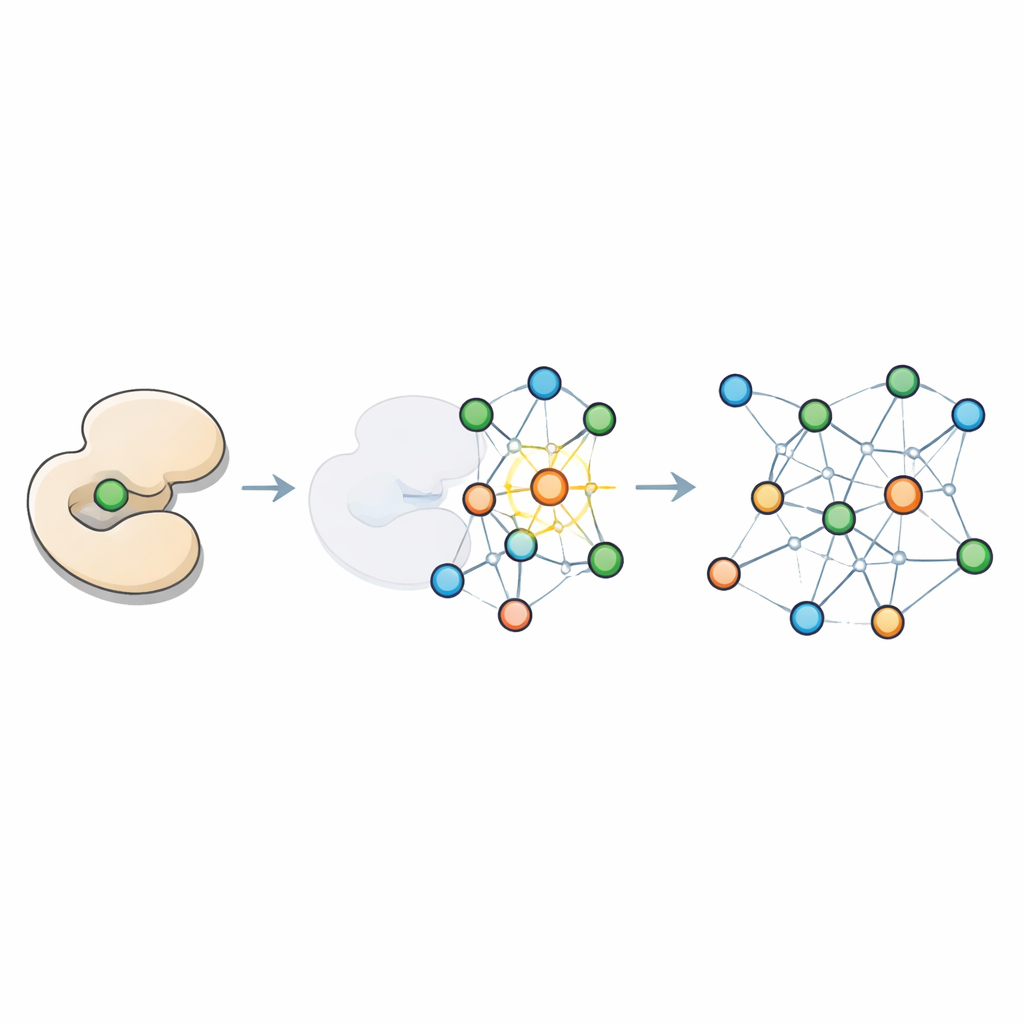
The comparison between drug-treated cells and ERAP1 knockout cells carries an important message. Removing the ERAP1 protein altogether nudges metabolism slightly, perhaps because cells must adapt to the permanent absence of a structural partner in the endoplasmic reticulum. Simply blocking the enzyme’s activity through a carefully chosen allosteric site, however, does not appear to push the melanoma cells’ chemistry out of balance—even at high doses. While this work was done in a single cell line and must be repeated in other models and, eventually, in living organisms, it suggests that selectively targeting ERAP1 could be a viable way to boost anti‑tumor immunity without triggering broad metabolic side effects.
Citation: Raja, A., Nikopaschou, M., de Boer, J.H. et al. The impact of ERAP1 inhibition on metabolite homeostasis of melanoma cells. Sci Rep 16, 12442 (2026). https://doi.org/10.1038/s41598-026-42975-1
Keywords: ERAP1 inhibition, melanoma metabolism, cancer immunotherapy, metabolomics, allosteric enzyme regulators