Clear Sky Science · en
Physical and respiratory training in patients with myasthenia gravis: a systematic review with meta-analysis
Why moving matters for a muscle-weakening disease
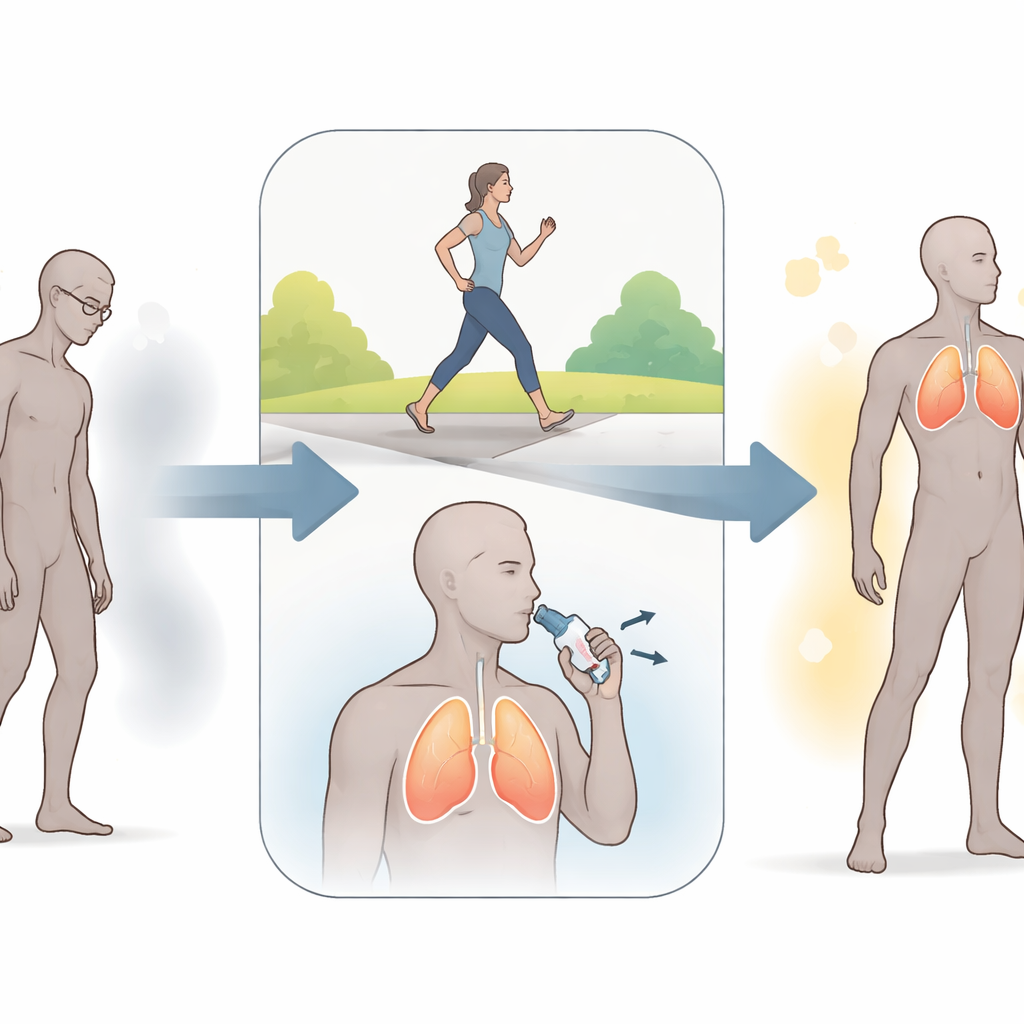
Myasthenia gravis is a chronic disease in which the body’s own defenses interfere with the way nerves talk to muscles, leaving people easily tired, short of breath and sometimes unable to manage everyday tasks. For years, many patients were warned to avoid exertion for fear of worsening their symptoms. This article brings together the best available research to ask a simple but vital question: can carefully planned physical and breathing exercises actually help people with myasthenia gravis feel and function better in daily life?
Looking across many studies for a clearer picture
The authors carried out a systematic review and meta-analysis, a method that pools results from many separate studies to see overall patterns. They searched several large medical databases and sifted through 1,564 scientific records. After removing duplicates and studies that did not meet strict criteria, they ended up with 20 suitable studies involving 1,366 adults with mild to moderate myasthenia gravis. These studies included randomized clinical trials, non-randomized trials, and observational work, giving a broad view of how real patients respond to different types of training programs.
What kinds of exercise were tested
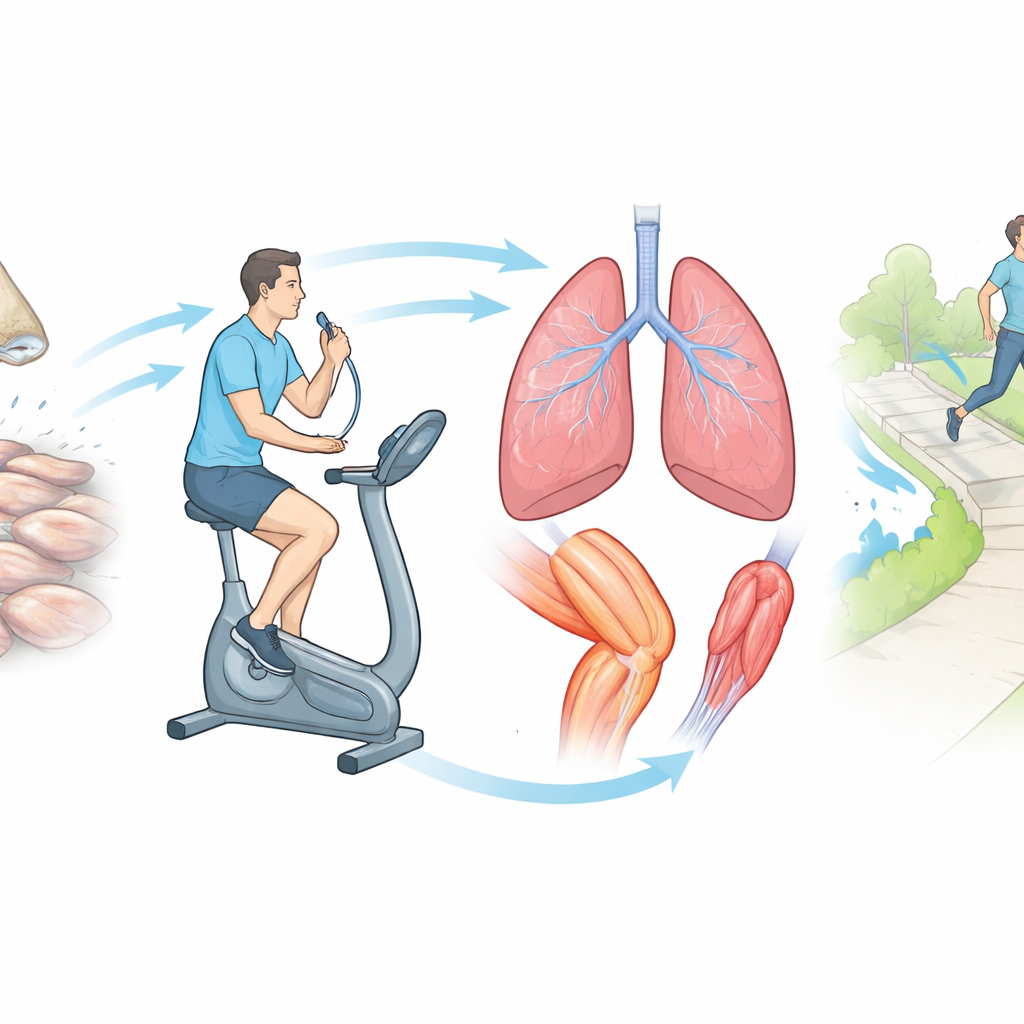
The training programs fell into two main groups: whole-body physical activity, such as walking or cycling on a stationary bike, and respiratory training aimed at strengthening the muscles used for breathing. Aerobic sessions typically lasted about 30 minutes and were performed several times per week over periods of 8 to 24 weeks. Respiratory programs used simple devices that make breathing in or out slightly harder, encouraging the breathing muscles to work against gentle resistance. Some studies also measured people’s usual activity levels outside supervised programs, linking these habits to symptoms, walking performance and quality of life.
Improvements in symptoms, daily life and breathing
Across the studies, people who took part in structured training generally did better than those who did not. Symptom scores, which reflect how severe muscle weakness and fatigue feel in everyday life, tended to fall in the exercise groups. Measures of quality of life, including the ability to manage basic activities such as walking, dressing and household tasks, also improved in many trials. Walking tests showed that participants could cover longer distances or walk faster after training, suggesting better stamina. Respiratory programs often boosted lung-related measures such as how much air people could move in and out and how strong their breathing muscles became, indicating that the chest muscles can be trained much like the muscles of the arms and legs.
Safety, limits and the need for tailored plans
Importantly, the review found that physical and respiratory training were generally safe for people with stable, mild to moderate disease when supervised and adapted to the individual. Some participants did stop programs because of lack of time, other illnesses or occasional disease flare-ups, but serious problems directly linked to the exercises were uncommon. At the same time, the authors caution that the research base still has gaps: many studies involved small groups, used different training routines, or followed people only for a short period. This variety makes it harder to pin down the best exact "dose" of exercise for everyone with myasthenia gravis.
What this means for people living with myasthenia gravis
For someone living with myasthenia gravis, this review offers a hopeful message: instead of being a threat, the right kind of movement can be part of the treatment. Regular, carefully adjusted physical and breathing exercises may ease symptoms, make daily tasks less tiring, and support lung health. Because the condition and its treatments vary from person to person, any program should be designed and monitored by a team that may include doctors, nurses, physiotherapists and exercise specialists who understand the disease. With that support, many patients may safely turn movement and mindful breathing into tools for regaining strength, independence and confidence.
Citation: Gutierrez-Del-Val, G., Serrano-Fernandez, V., Mazoteras-Pardo, V. et al. Physical and respiratory training in patients with myasthenia gravis: a systematic review with meta-analysis. Sci Rep 16, 12004 (2026). https://doi.org/10.1038/s41598-026-42949-3
Keywords: myasthenia gravis, exercise, respiratory training, quality of life, physical activity