Clear Sky Science · en
Plant–pollinator interactions and floral and nectar traits shape the diversity of the nectar mycobiome
Hidden Life in a Drop of Nectar
When we think about flowers, we usually picture bright colors and sweet scents drawing in bees and butterflies. But each tiny drop of nectar is also a bustling world of microbes, especially fungi, that can subtly change how plants and pollinators interact. This study peeks into that hidden world, asking what controls which fungi live in nectar, and how flower traits, nectar chemistry, and visiting insects shape these miniature communities. Understanding these links can reveal how seemingly small microbes help support, or disrupt, the broader web of life that keeps ecosystems and crops thriving.
Why Nectar Is a Tough but Tasty Home
Floral nectar might look like a simple sugary drink, but for microbes it is a demanding habitat. It offers plenty of energy-rich sugars and is easy to access, yet its high sugar content creates strong osmotic pressure that can dehydrate cells, and plants often lace it with antifungal substances. Flowers are also short-lived and their nectar is constantly altered by evaporation, rain, and repeated visits by animals. As a result, only a limited number of fungal species can successfully colonize nectar, and the communities that form are usually dominated by a few hardy lineages adapted to sugar-rich, stressful conditions. These fungi do not live in isolation: they compete with each other and with bacteria, and their activity can transform nectar’s sugar balance, acidity, and other features in ways that matter to pollinators and plants.
Testing Flowers, Visitors, and Nectar Side by Side
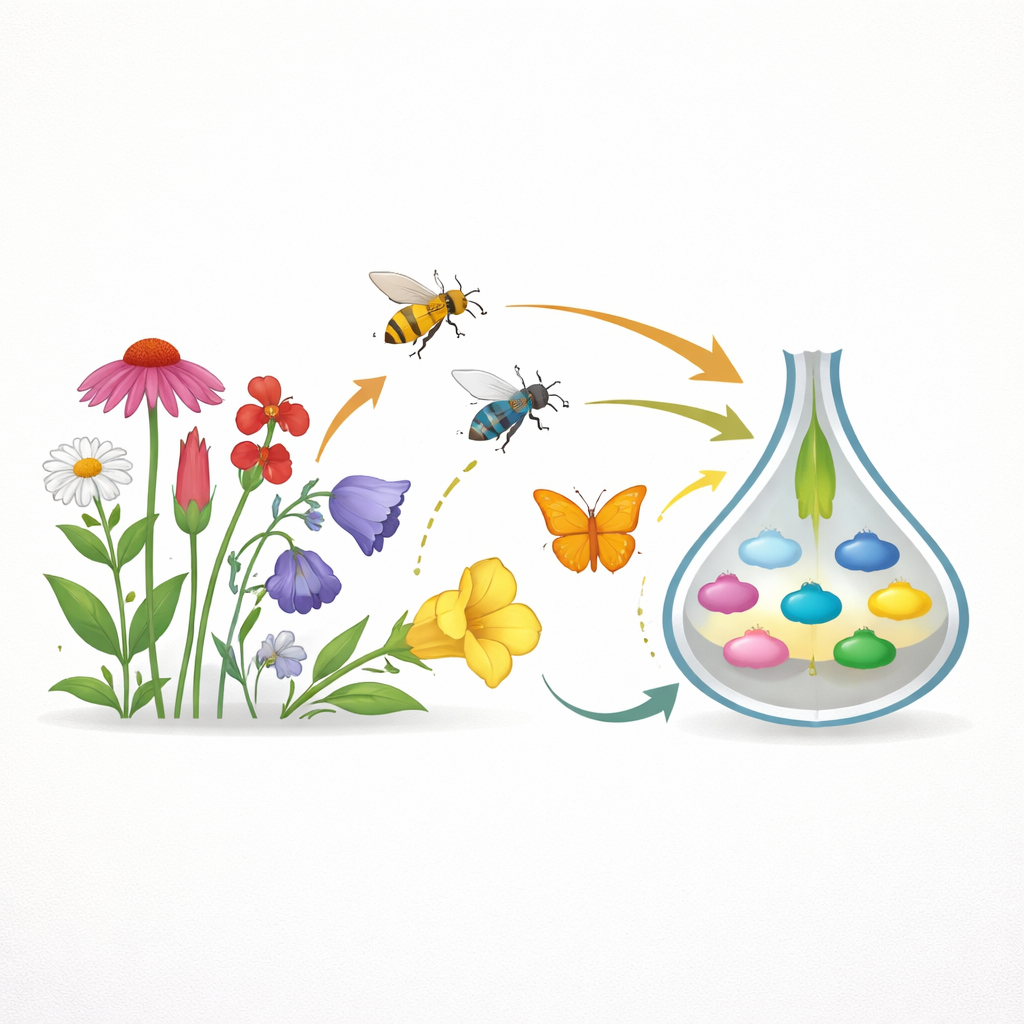
The researchers worked in the University of Warsaw Botanic Garden, focusing on ten insect-pollinated plant species with a wide variety of flower shapes and orientations. They compared flowers left open to pollinators with flowers covered by mesh, which blocked visitors but allowed normal development. From each flower, they collected nectar to measure sugar and amino acid content and to sequence fungal DNA, building a picture of which fungal groups were present and how diverse they were. At the same time, they filmed the flowers to record thousands of insect visits, sorting visitors into groups such as honeybees, bumblebees, flies, and ants. This allowed them to link fungal diversity to both the physical traits of flowers and the intensity and type of pollinator traffic.
What Really Matters: Sugars More Than Shapes
Contrary to expectations, most simple floral features—such as how big the flowers were, whether they faced up or hung down, or whether nectar was shielded or exposed—did not explain overall fungal diversity. Only one fungal family, Mollisiaceae, seemed to respond to flower size. Likewise, the total number and types of amino acids in nectar had no clear relationship with how many fungal species were present or how evenly they shared the habitat. Instead, the strongest signal came from the basic sugars. Nectar always contained sucrose, glucose, and fructose, with sucrose usually dominant. Yet it was the levels of glucose and fructose, not sucrose, that were tied to fungal richness: as these two simple sugars increased, the number of fungal types detected also tended to rise. Several fungal families were especially associated with higher glucose and fructose, suggesting that subtle shifts in nectar sweetness and sugar balance can favor particular fungal groups.
Pollinators as Microbe Movers
Insects did change nectar chemistry: flowers kept free of visitors generally had higher sugar concentrations than open flowers, consistent with microbes in visited flowers consuming sugars and reshaping the nectar mix. Amino acids shifted too, but in more complex and species-specific ways. However, the overall diversity of fungi did not differ much between open and covered flowers, and only bumblebee visitation showed a clear positive link with one diversity measure. At a finer scale, some fungal families were more common in flowers that insects could access, and several were associated with visits by flies, hoverflies, ants, or other groups. This points to pollinators and other flower visitors as important couriers for fungal spores, even if their effect on total diversity is sometimes muted by a “dilution effect” in flower-rich environments, where microbial inoculation is spread across many plants.
Small Microbes, Big Ecological Ripples
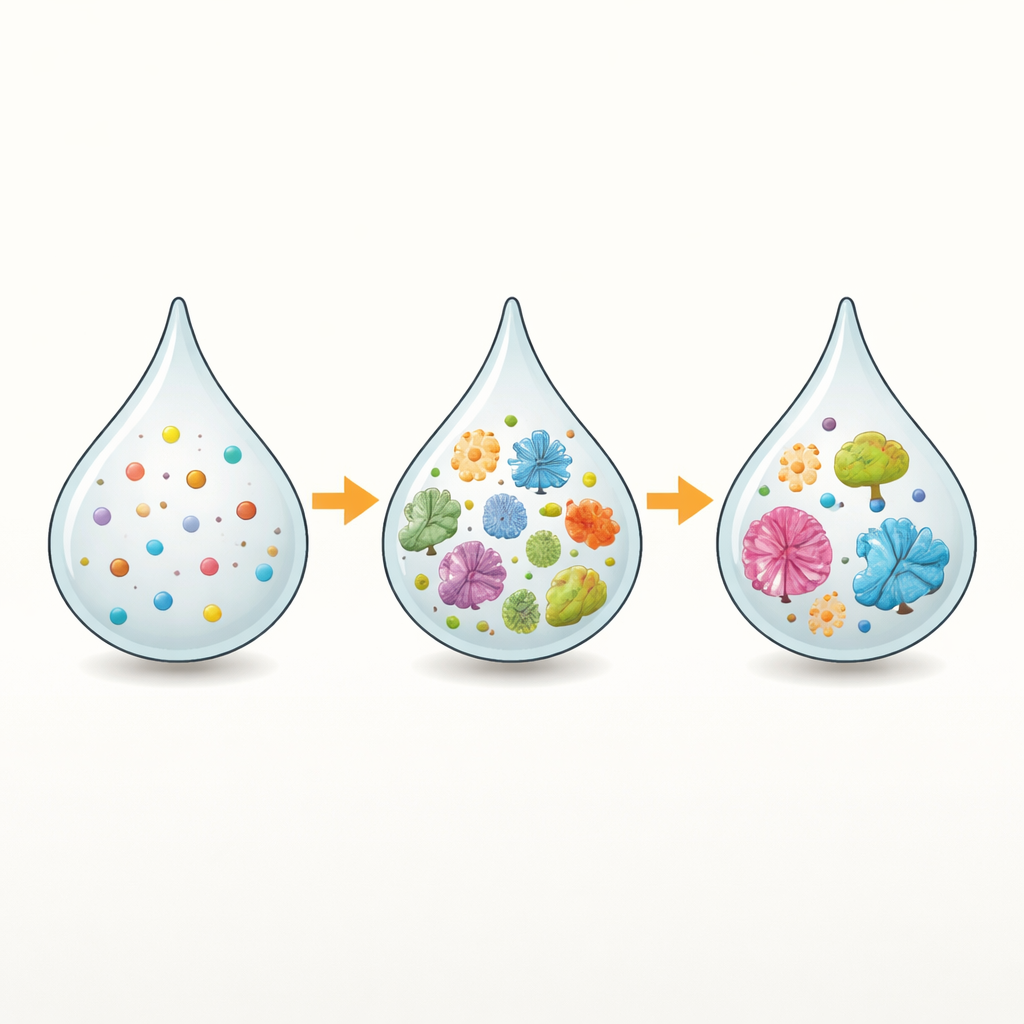
For non-specialists, the key message is that nectar is more than a simple sugary bribe for pollinators; it is a selective habitat where sugar levels, visiting insects, and environmental context jointly shape communities of fungi. This study shows that the fine details of nectar chemistry—especially glucose and fructose—are closely linked to which fungi can gain a foothold, while flower shape and amino acids matter less than previously thought, at least in this urban garden setting. Because nectar microbes can alter the taste, smell, and nutritional quality of nectar, they may influence how attractive flowers are to pollinators and, ultimately, how well plants reproduce. As cities and climates change, paying attention to these microscopic “third partners” in plant–pollinator relationships could help us better understand and protect the resilience of both wild ecosystems and agricultural landscapes.
Citation: Kisło, K., Mazurkiewicz, M., Starzyński, B. et al. Plant–pollinator interactions and floral and nectar traits shape the diversity of the nectar mycobiome. Sci Rep 16, 13253 (2026). https://doi.org/10.1038/s41598-026-42903-3
Keywords: nectar microbiome, pollination, flower fungi, nectar chemistry, plant–pollinator interactions