Clear Sky Science · en
Optimizing sonication-assisted hydrodistillation of Cinnamomum tamala essential oil using response surface methodology and artificial neural network modeling
Why a kitchen spice matters
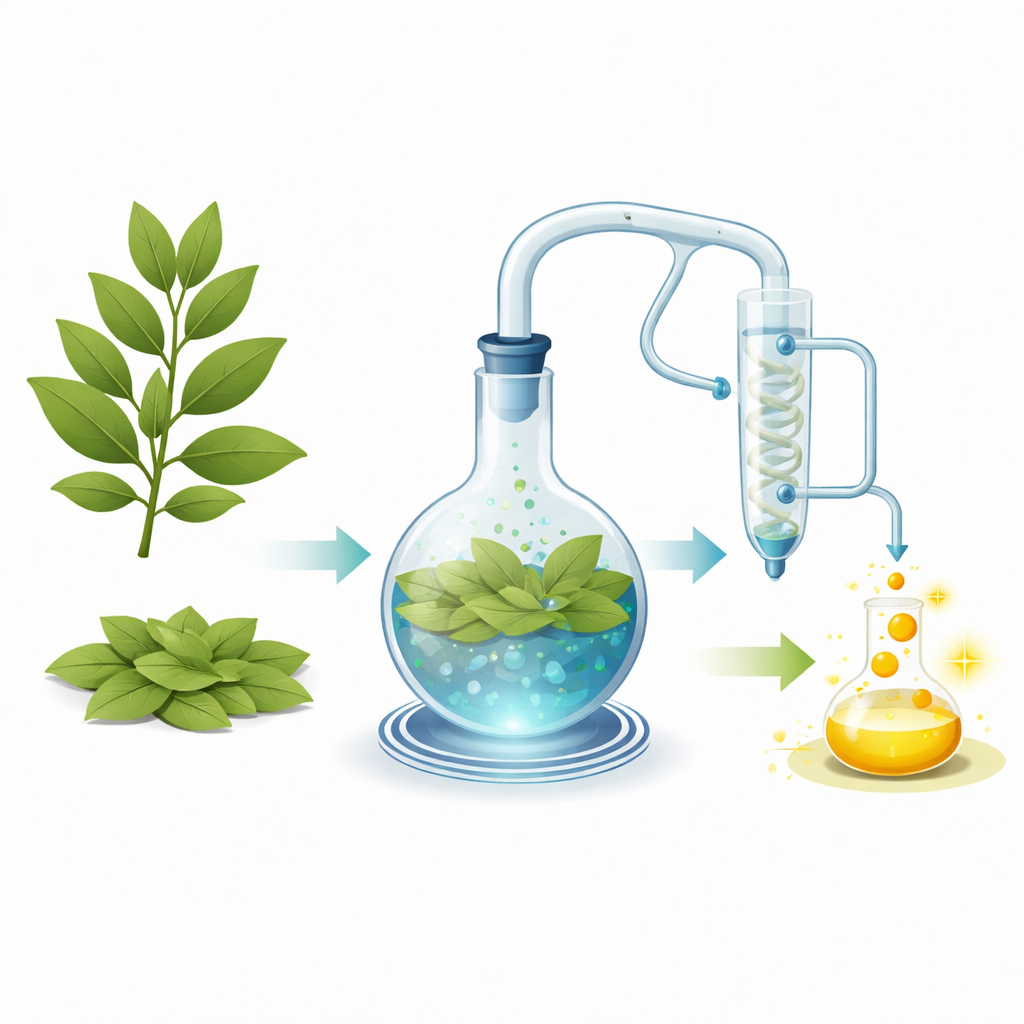
Bay leaves are a familiar ingredient in curries and stews, but the same leaves also contain a fragrant oil packed with natural antioxidants that could help preserve foods, flavor products and even support health. The challenge is getting enough of this oil out of the leaves without wasting energy or damaging its delicate components. This study explores a smarter way to do that, combining sound waves and gentle boiling, and then using advanced computer modeling to fine‑tune the process.
Turning leaves into valuable oil
The researchers focused on Cinnamomum tamala, often called Indian bay leaf or “tejpata,” widely used in South Asia as both a spice and traditional remedy. Essential oils from these leaves contain compounds with antimicrobial and anti‑inflammatory properties and strong antioxidant behavior, making them attractive for the food, cosmetic and pharmaceutical industries. However, conventional extraction methods such as simple boiling and steam distillation are slow, energy‑hungry and often give modest yields, limiting commercial potential. The team set out to improve both the amount and the quality of oil that can be obtained from these common leaves.
Helping boiling water with sound
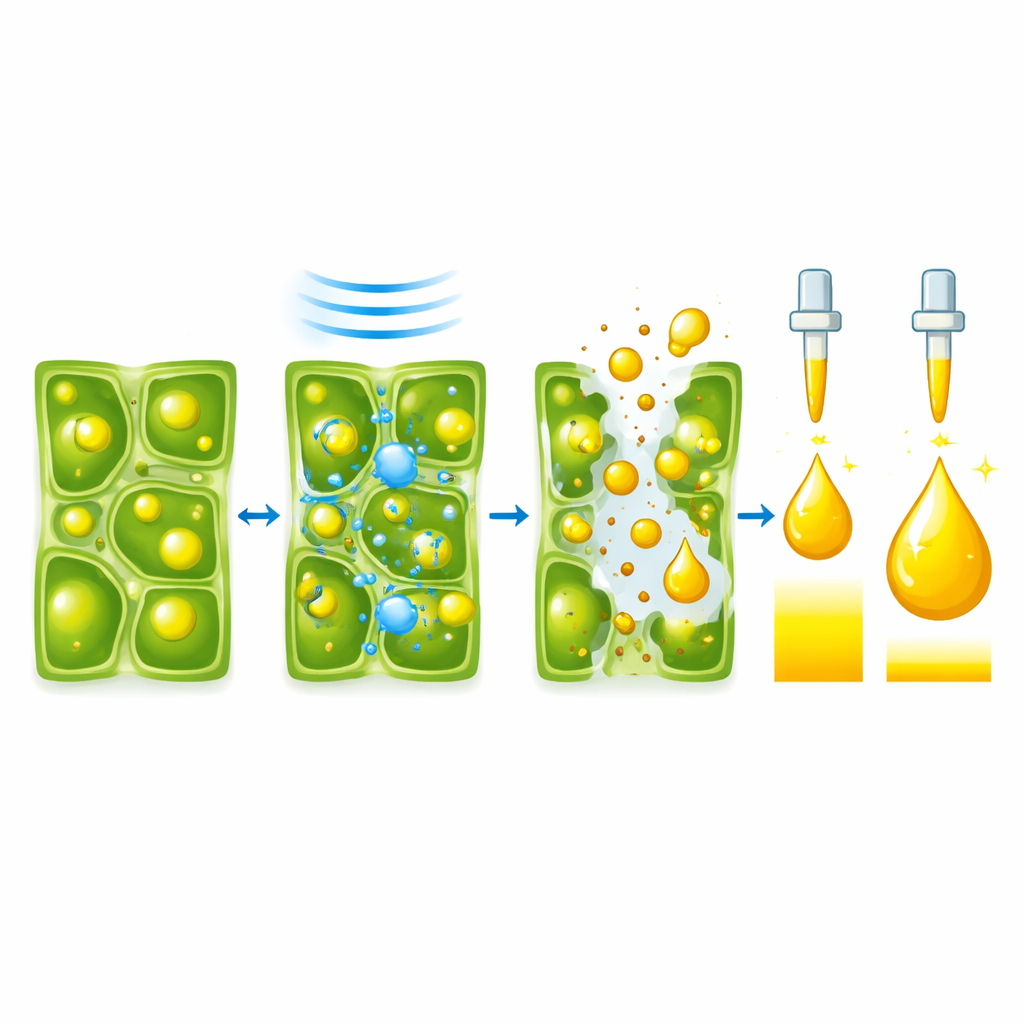
The core technique tested here is sonication‑assisted hydrodistillation. In practical terms, dried and chopped bay leaves are mixed with water and first treated in an ultrasonic bath, where high‑frequency sound waves create tiny bubbles that rapidly collapse. This microscopic churning weakens and tears plant cell walls, making it easier for oil to escape. After this sound treatment, the mixture is distilled using a standard oil‑separating setup so that the vaporized oil and water can be condensed and collected. By adjusting four knobs — how much water is used per gram of leaf, the power and duration of the ultrasound, and the length of the distillation — the scientists aimed to find conditions that deliver the most oil with the strongest antioxidant activity.
Letting math and machines search for the sweet spot
Rather than guessing, the team used two complementary modeling approaches to explore the process. First, they applied a structured statistical design that varies all four knobs in a coordinated way and fits an equation describing how yield and antioxidant measures respond. Second, they trained an artificial neural network, a computer model inspired by brain wiring, to learn patterns directly from the same experimental data. To make this “black box” more transparent, they used visualization tools and sensitivity analyses that show which settings matter most and how changes in each one push the results up or down. Both approaches agreed that there is an optimal middle ground: too little ultrasound or too short a distillation wastes oil, while overly intense or prolonged treatment begins to degrade sensitive compounds.
What the optimized process delivers
Under the best conditions suggested by the neural‑network‑guided search, the bay leaves yielded about 1.7 percent essential oil in just over two hours — roughly three times higher than many traditional methods and in less time. The oil was rich in well‑known fragrant and bioactive molecules such as linalool, eugenol and cinnamaldehyde. It also showed high levels of total phenolic compounds and strong performance in a standard antioxidant test, indicating that the gentler, faster process preserves health‑related components rather than cooking them away. Careful checks of the oil’s physical and chemical properties further confirmed that it is stable and suitable for industrial use.
From lab trick to greener industry
For a non‑specialist, the main message is that a common kitchen spice can yield a high‑value natural oil when extracted intelligently. By teaming ultrasound with conventional distillation and guiding optimization with both classical statistics and machine learning, the researchers created a more efficient, energy‑saving way to obtain bay leaf essential oil without sacrificing quality. If scaled up, this approach could help replace some synthetic additives with plant‑based ingredients while aligning with cleaner production goals — showing how careful process design and modern modeling can unlock more from familiar plants.
Citation: Jon, P.H., Shourove, J.H., Ali, M.K. et al. Optimizing sonication-assisted hydrodistillation of Cinnamomum tamala essential oil using response surface methodology and artificial neural network modeling. Sci Rep 16, 14107 (2026). https://doi.org/10.1038/s41598-026-42869-2
Keywords: bay leaf essential oil, ultrasound extraction, green processing, antioxidant compounds, artificial neural networks