Clear Sky Science · en
Clinical outcomes in Caroli disease and Caroli syndrome: a longitudinal observational cohort study
Why this rare liver problem matters
Most people will never hear of Caroli disease or Caroli syndrome, yet these rare conditions can quietly set the stage for repeated infections, internal bleeding, liver failure, and even bile duct cancer. By closely following a small group of patients over several years, this study helps doctors understand which patients are at greatest risk and when to step in with stronger treatments or closer monitoring.
Two related conditions, two very different journeys
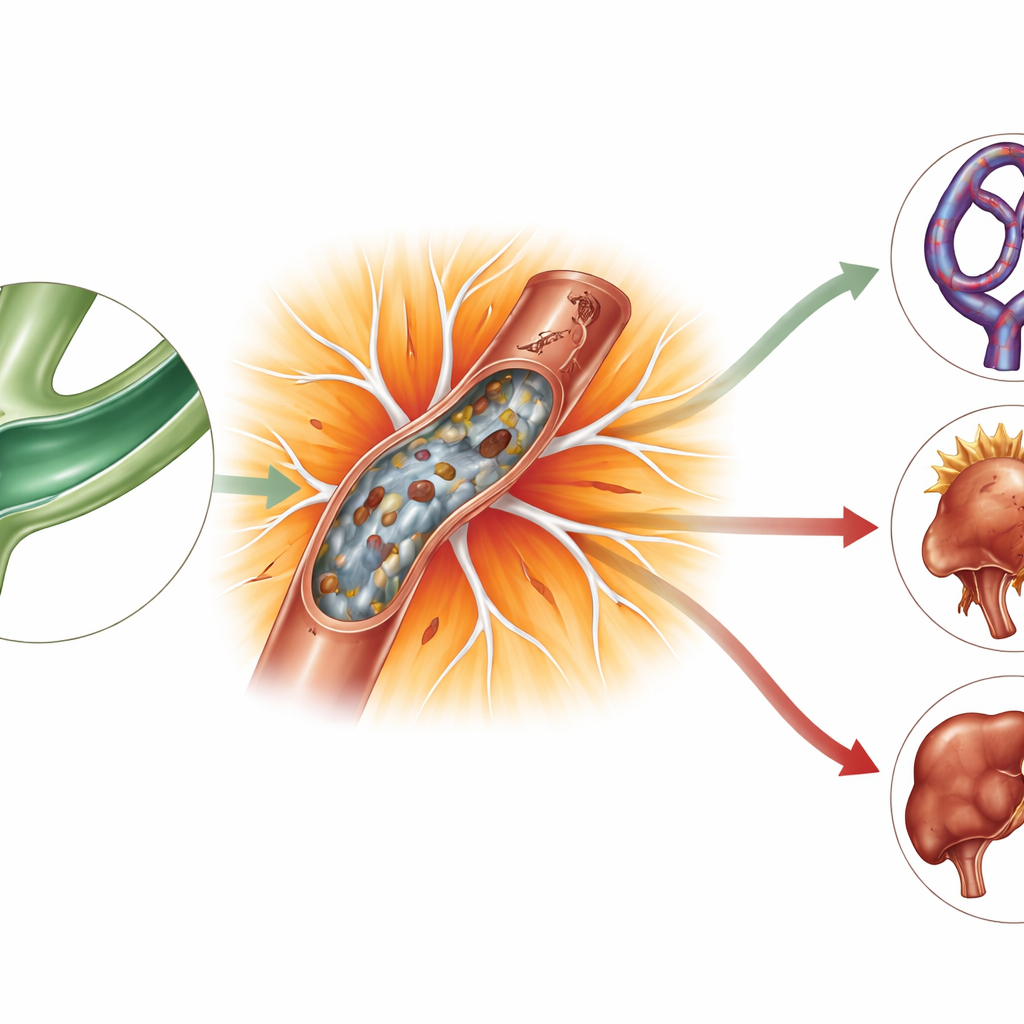
Caroli disease and Caroli syndrome are both present from birth and involve abnormal widening of the tiny tubes that carry bile inside the liver. In the simpler form, Caroli disease, these tubes balloon out but the surrounding liver tissue is relatively preserved. In Caroli syndrome, however, the same duct changes are accompanied by scarring in the liver and often cysts in the kidneys, creating a much more fragile environment. Both problems can lead to stagnant bile, repeated bouts of infection, and stone formation, but doctors have long suspected that Caroli syndrome carries a heavier burden of complications. Until now, strong head‑to‑head, long‑term comparisons have been scarce.
Watching patients over time
In this study from a single university hospital, researchers followed 19 people diagnosed with either Caroli disease (7 patients) or Caroli syndrome (12 patients) between 2015 and 2022. The diagnoses were confirmed using detailed MRI scans of the bile ducts. Over a median of just over six years, the team repeatedly recorded symptoms such as abdominal pain, fever, jaundice (yellowing of the skin and eyes), and bleeding from the digestive tract. They also monitored blood tests that reflect how well the liver is working, looked for signs of high pressure in the veins of the gut (portal hypertension), and used endoscopy to search for swollen veins in the gullet that can bleed. Importantly, they tracked serious outcomes including liver failure, bile duct cancer, and death.
What happened to patients with and without scarring
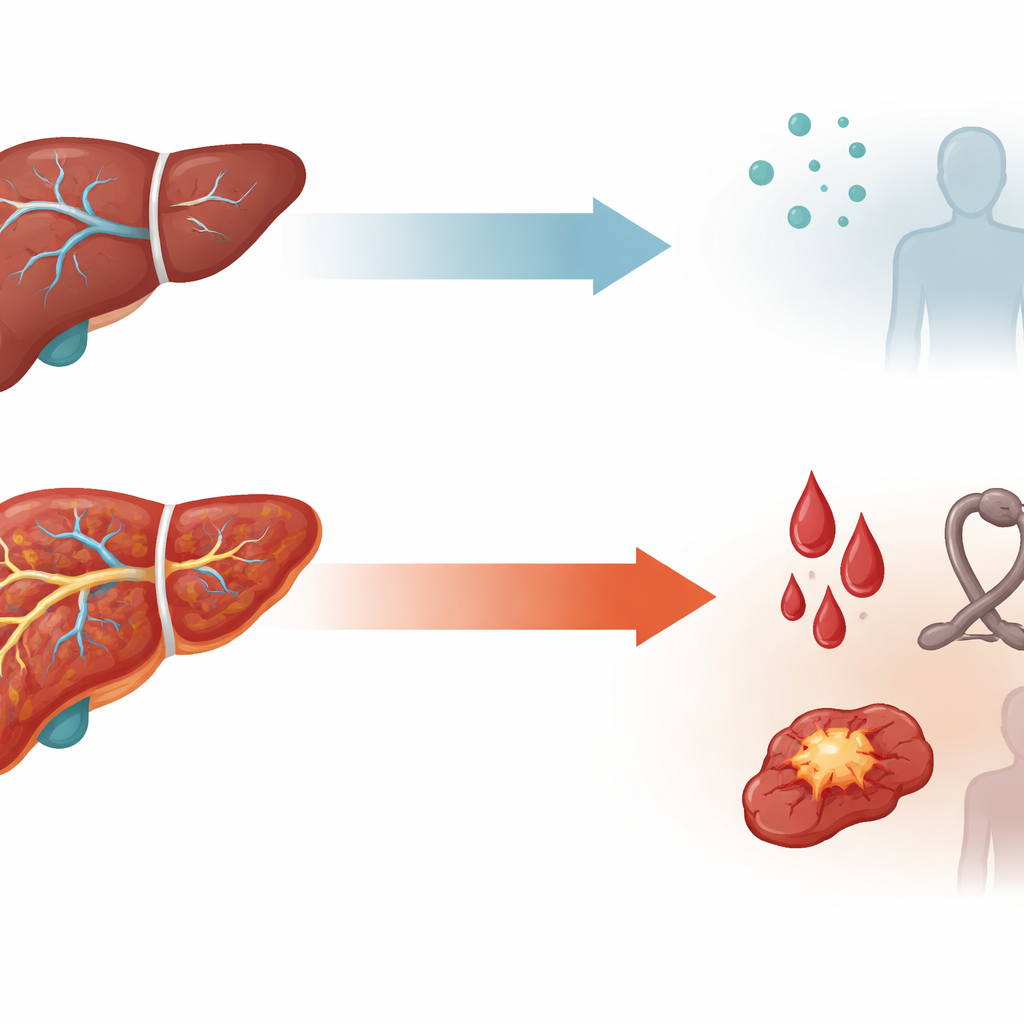
Although both groups suffered recurrent infections of the bile ducts, people with Caroli syndrome fared much worse overall. They had more frequent fevers and infections, lower platelet counts (a sign of advanced liver disease and portal hypertension), and lower albumin levels, indicating weaker liver function. Measures of blood clotting and bile pigments were more abnormal, pointing to a struggling liver. Only patients with Caroli syndrome developed the classic complications of severe scarring: enlarged veins in the gullet, episodes of vomiting blood, clear signs of liver failure, and all three cases of bile duct cancer seen in the study. Three patients with the syndrome died, all after developing cancer, while no deaths occurred in the Caroli disease group during follow‑up.
Patterns that may guide future care
When the researchers explored which features tended to travel together with bad outcomes, they found that more frequent infections, high levels of a tumor marker called CA 19‑9, low platelets, and portal hypertension were closely linked to higher overall disease activity. These patterns suggest that a cluster of warning signs—not any single blood test alone—may help doctors identify people with Caroli syndrome who are drifting into more dangerous territory. Because the study involved only 19 patients, the authors stress that these links should be viewed as early hints rather than hard rules, but they still offer valuable clues for designing larger, more definitive studies.
What this means for patients and families
For people living with these rare conditions, the message is cautiously clear: isolated Caroli disease often follows a relatively milder course, while Caroli syndrome tends to bring more infections, more pressure on the veins around the liver, a higher chance of liver failure, and a worrying risk of bile duct cancer. The study supports the idea that patients with the syndrome, in particular, benefit from regular imaging, blood tests, and early management of complications—steps that might delay or prevent the need for liver transplantation. Although the work cannot yet predict exactly who will develop cancer or die, it lays a solid foundation for future research and helps clinicians discuss realistic risks and surveillance plans with patients and their families.
Citation: Hanafy, A.S., Fahmy, E.K., Naguib, R. et al. Clinical outcomes in Caroli disease and Caroli syndrome: a longitudinal observational cohort study. Sci Rep 16, 10482 (2026). https://doi.org/10.1038/s41598-026-42855-8
Keywords: Caroli disease, Caroli syndrome, bile duct cancer, portal hypertension, rare liver disease