Clear Sky Science · en
Seroprevalence, isolation, comprehensive characterization, and pathogenicity of Clostridium perfringens strain from yak in Xizang, China
Why a Yak Germ Matters to Us
High on the windswept grasslands of the Qinghai–Tibet Plateau, yaks are a lifeline for herding families, supplying meat, milk, and transport in one of the harshest environments on Earth. This study focuses on a little-known but important threat to these animals: a common gut bacterium called Clostridium perfringens. By tracking how often yaks encounter this germ, decoding the genes of a particularly dangerous strain, and testing how deadly it is in animals, the researchers reveal a hidden but serious health risk with clear implications for food security, animal welfare, and antibiotic resistance.
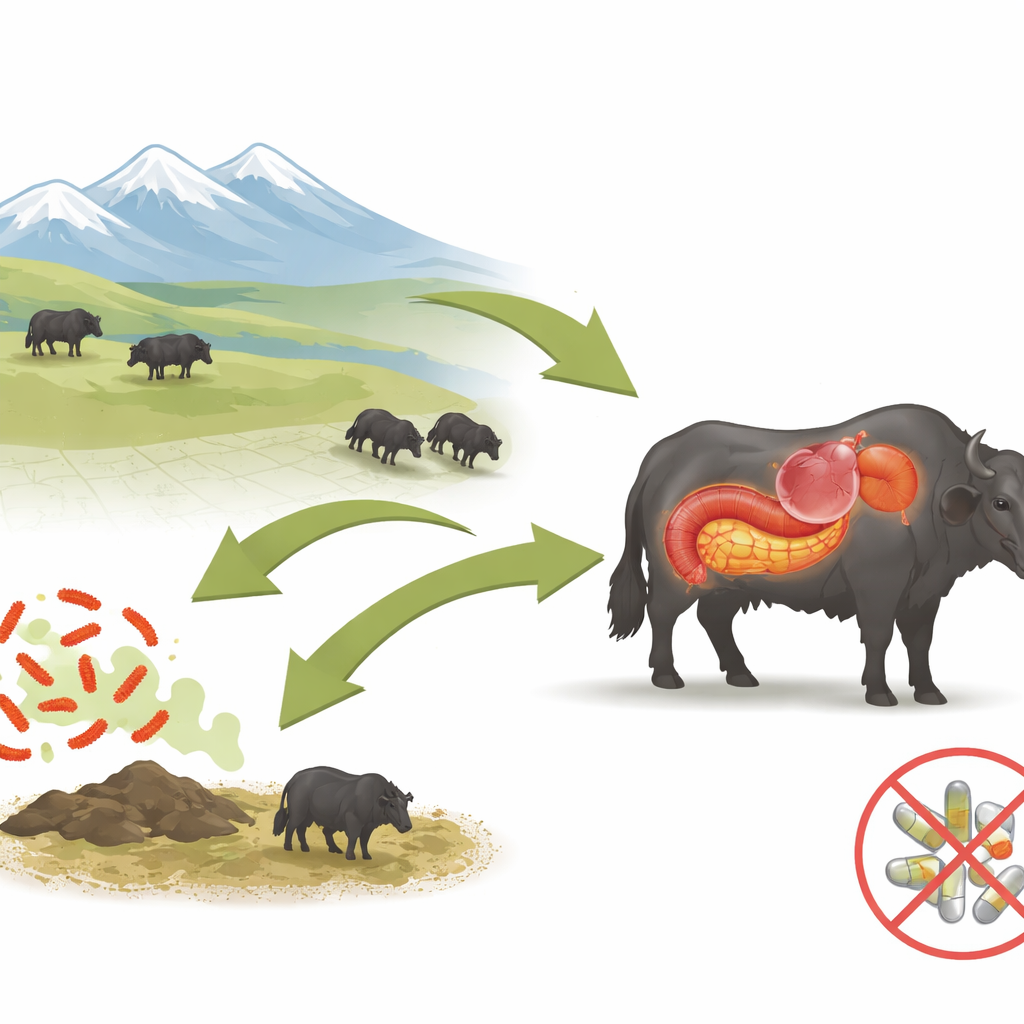
Taking the Pulse of Yak Herds
The team began with a large blood survey of 922 unvaccinated yaks from 28 herds across eight counties in Tibet between 2021 and 2024. They searched for antibodies—signs that an animal had previously met C. perfringens. Only 0.76% of individual yaks carried such antibodies, suggesting that recent infections were uncommon. Yet one in four herds had at least one positive animal, meaning the bacterium is scattered widely, even if not many animals are actively affected at any one time. When the researchers compared yaks living at different heights on the plateau, they found that animals below 4000 meters were far more likely to show signs of past infection than those grazing at higher altitudes.
Meeting a Problematic Strain
From the seven antibody-positive yaks, the scientists were able to grow just one representative bacterial strain from feces, which they named CPTibet-Y1. In the lab, it behaved like classic C. perfringens, forming black-centered colonies, breaking down blood cells on agar plates, and displaying the expected biochemical traits. Genetic tests focused on toxin genes—the molecular tools this bacterium uses to damage host tissues. CPTibet-Y1 carried the alpha-toxin gene, placing it in the so‑called type A group, but lacked several other major toxin genes that are often blamed for severe gut disease in livestock and humans. At first glance, its toxin profile looked relatively modest compared with some notorious relatives.
Hidden Weapons Against Medicines
To see how this strain would respond to treatment, the team exposed it to 22 different antibiotics. Worryingly, CPTibet-Y1 was resistant to several widely used drugs, including sulfonamides, the livestock antibiotic clindamycin, and multiple fluoroquinolones. It showed only partial sensitivity to others such as tetracycline, ampicillin, and polymyxin B, while remaining susceptible to a handful of options like penicillin and chloramphenicol. Whole-genome sequencing revealed at least six acquired resistance genes, many likely carried on mobile DNA elements that bacteria can swap. These genes explain why the strain can shrug off multiple drug classes and hint that similar resistance packages could spread between bacterial species and host animals.
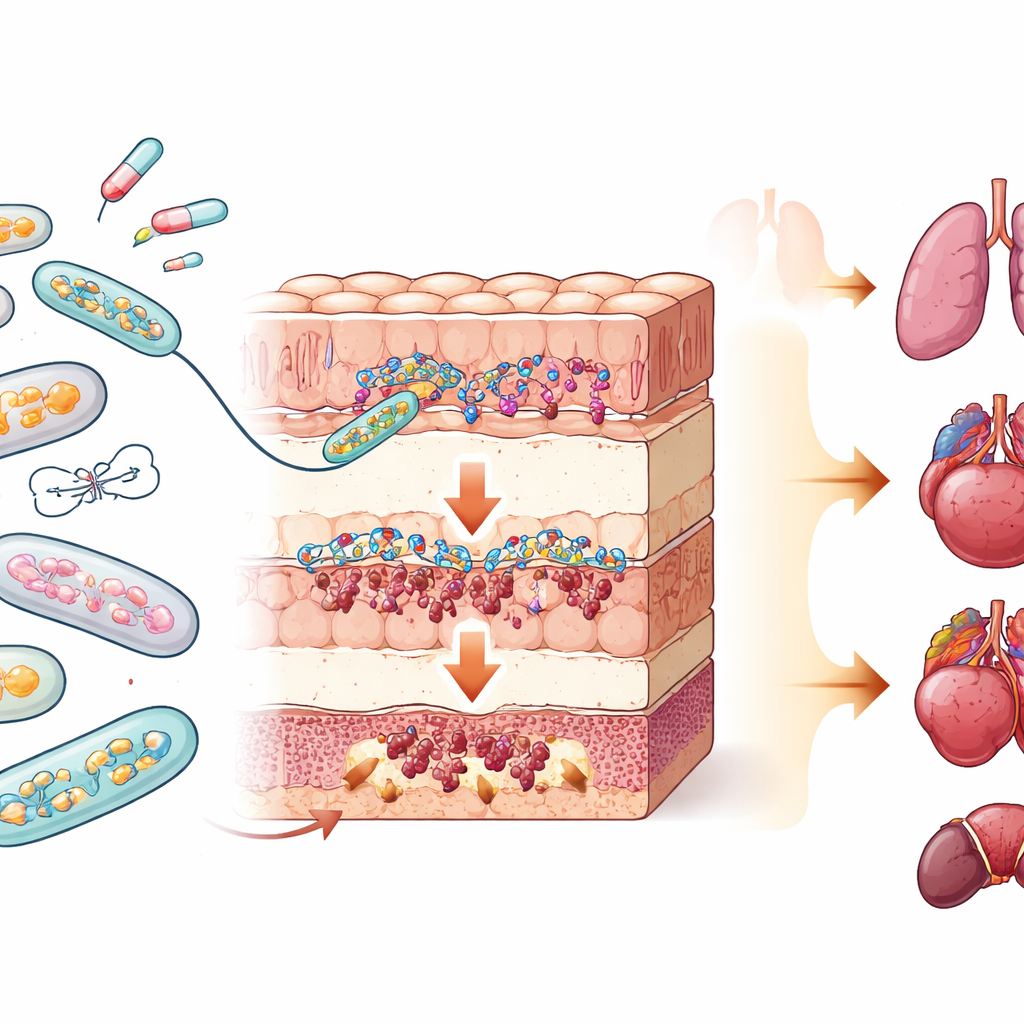
A Small Germ With Big Impact
The most sobering results came from a mouse experiment designed to test how aggressive CPTibet-Y1 really is. When mice received this strain inside their abdomen, all infected animals died within 48 hours, showing severe intestinal damage, bleeding, and signs of injury in multiple organs, including heart, lungs, and spleen. Control mice stayed healthy. This dramatic contrast shows that, despite lacking several famous toxin genes, CPTibet-Y1 is highly capable of causing rapid, whole-body illness—likely through a combination of alpha toxin and other, less well-known factors revealed in its genome.
What This Means for Herds and People
Put together, the findings paint a nuanced picture. On one hand, recent exposure to C. perfringens in Tibetan yaks appears relatively rare. On the other, at least some of the strains present on the plateau are both strongly drug-resistant and intensely damaging when they cause disease. Yaks at lower elevations may face higher risk, perhaps because of denser herds, more trade, and closer contact with people and other animals. For herders, veterinarians, and public health officials, the study signals that routine surveillance, careful antibiotic use, and targeted prevention in yak-farming communities are essential to keep this quiet but dangerous germ in check.
Citation: Wang, D., Zeng, J., Liu, C. et al. Seroprevalence, isolation, comprehensive characterization, and pathogenicity of Clostridium perfringens strain from yak in Xizang, China. Sci Rep 16, 12312 (2026). https://doi.org/10.1038/s41598-026-42837-w
Keywords: Clostridium perfringens, yak health, Tibetan Plateau, antibiotic resistance, livestock disease