Clear Sky Science · en
A multicenter cross-sectional study on perceptions and peer-reported prevalence of research misconduct among Chinese medical postgraduates
Why this study matters for everyday science
Medical research shapes the treatments and health advice we all depend on. Yet that research is only as trustworthy as the people who produce it. This study looks at how young doctors-in-training in China think about honesty in research—and what they actually see happening around them. By peering into this crucial training ground, the authors show where good intentions collide with real-world pressures, and why that gap should concern anyone who cares about reliable medical evidence.

Young researchers at the front lines
The researchers surveyed nearly a thousand postgraduate medical students—both master’s and doctoral—from three medical schools in Sichuan Province, China. These students are future clinicians and scientists who already participate in real research projects and publications. Using an anonymous online questionnaire, the team asked about two things: how strongly students approved or disapproved of specific research behaviors, and how often they believed classmates engaged in a range of questionable or clearly unethical practices. This approach, known as peer reporting, focuses on what students observe in others rather than what they admit about themselves.
Strong principles, softer in the grey areas
On paper, most students expressed firm views against serious cheating. Almost all said it was wrong to turn a failed experiment into a success by altering images or fabricating data from scratch. Yet their answers became more lenient when the behavior seemed less drastic. A large majority felt it was fine to "beautify" images as long as the underlying results did not change. Some were also willing to accept tweaking data if a result was just shy of being statistically convincing, but far fewer accepted the same behavior when the result was clearly off target. These patterns reveal a sliding scale of tolerance: blatant fakery is condemned, but polishing or nudging results can feel more acceptable, especially when it seems to serve a good cause, such as getting a paper published.
What students say they see around them
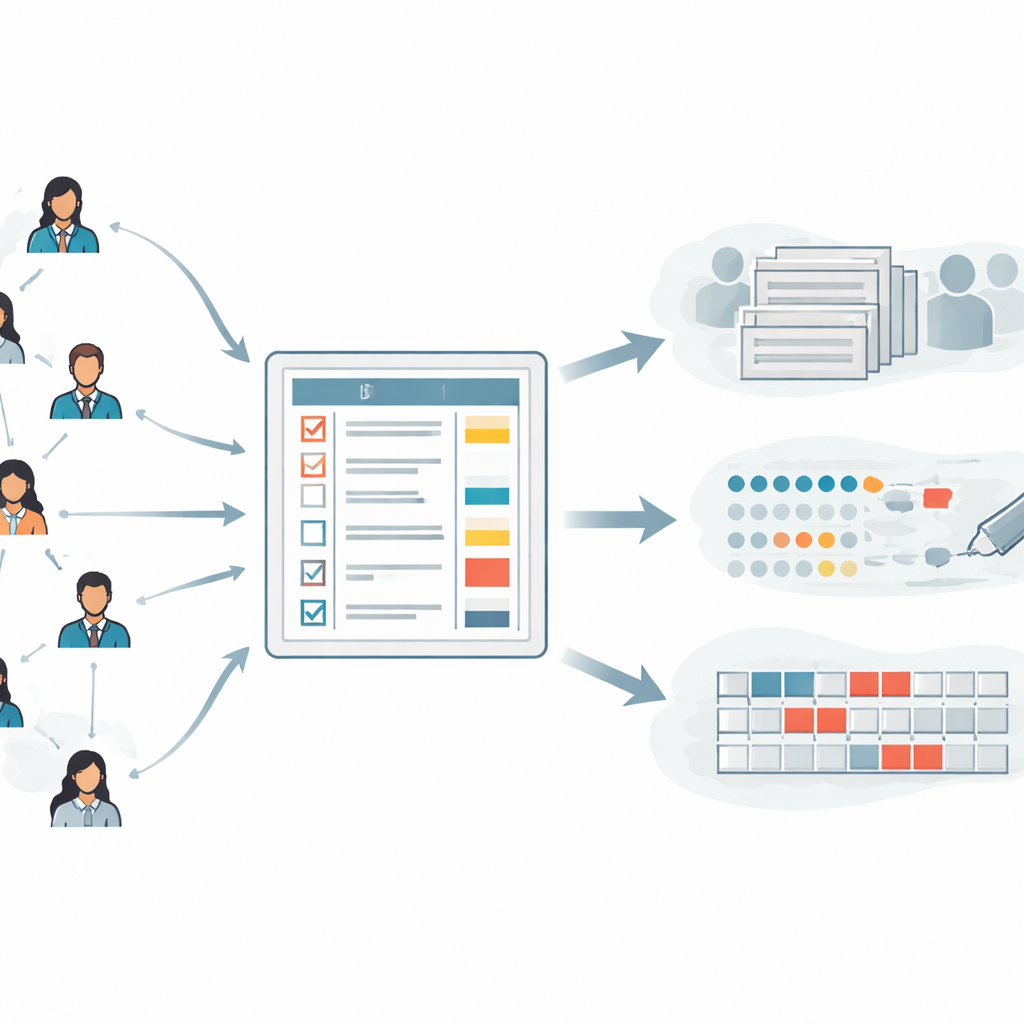
When asked about their peers, many respondents reported witnessing troubling behaviors. The most commonly mentioned was honorary authorship—adding people as co-authors who had not contributed meaningfully to the work. More than a third of students said they had seen this. Nearly one in three reported that classmates deleted inconvenient research results before publishing, keeping only the favorable data. Almost one in five had encountered outright data fabrication, meaning that numbers were invented to complete or strengthen a study. Doctoral students, those in academic (rather than professional) degree tracks, and students with papers in high-impact journals were more likely to report seeing such misconduct, perhaps because they are more deeply involved in competitive research environments.
Pressures that push the line
The study places these findings in the wider context of intense academic pressure. In China, as in many countries, young researchers are expected to publish papers to graduate, secure jobs, and earn promotions. Targets for publication counts and journal rankings can turn research into a numbers game, making it easier to justify cutting corners. At the same time, universities and governments have issued strict rules on research integrity. This tension—between external demands and formal expectations—creates fertile ground for “grey-area” practices. Students may see small shortcuts as normal, especially if they believe mentors or institutions quietly condone them.
What this means for trustworthy medicine
To a lay reader, the key message is clear: future doctors and medical scientists in this study overwhelmingly believe that lying in research is wrong, yet many still witness behaviors that bend or break the rules. These subtle distortions—dropping awkward data points, polishing images, or handing out unearned authorship—may not seem as scandalous as wholesale fraud, but they can gradually weaken the reliability of medical studies. The authors argue that integrity training must go beyond simple "don’t cheat" messages to grapple with real-life dilemmas and pressures. They also highlight peer-report surveys as a powerful early-warning tool for schools to detect hidden problems. In the long run, protecting the quality of the science behind our medical care will require not only better rules, but also research cultures that reward honesty as much as productivity.
Citation: Haitao, T., Jingya, Z., Jinsong, W. et al. A multicenter cross-sectional study on perceptions and peer-reported prevalence of research misconduct among Chinese medical postgraduates. Sci Rep 16, 12783 (2026). https://doi.org/10.1038/s41598-026-42834-z
Keywords: research integrity, academic misconduct, medical postgraduates, peer reporting, China