Clear Sky Science · en
Suppression of LTBP1 enhances the sensitivity of bladder cancer to cisplatin
Why this research matters
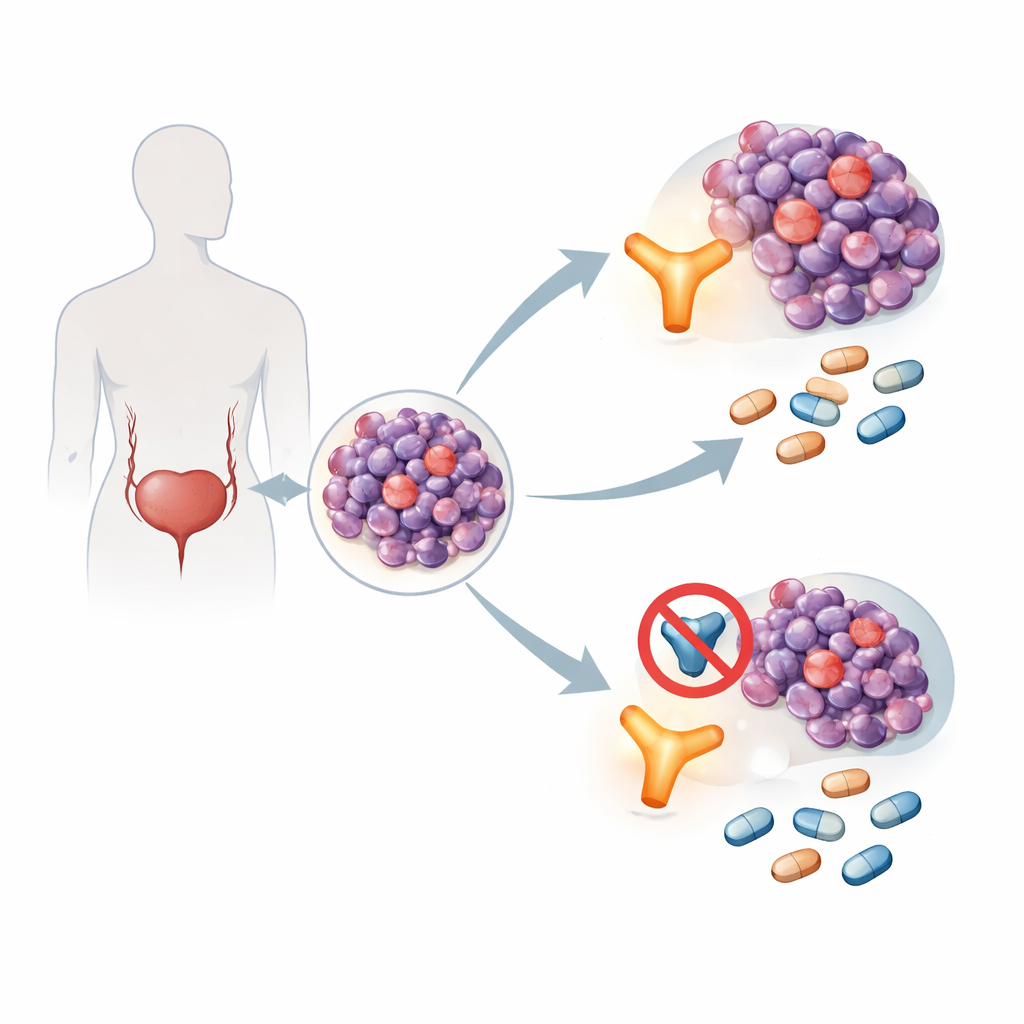
Chemotherapy can be lifesaving for people with advanced bladder cancer, but many tumors eventually stop responding to treatment. This study asks a question with direct relevance for patients and families: is there a hidden molecular "switch" that makes bladder cancer cells stubbornly resist the widely used drug cisplatin, and if so, can turning that switch off make tumors sensitive to treatment again?
A search inside resistant tumors
To uncover what drives resistance, the researchers compared protein patterns in tumor samples from patients whose bladder cancers were still sensitive to therapy with those from patients whose cancers had become resistant. They also mined large public cancer databases that hold genetic and clinical information from hundreds of individuals. By overlaying these data sets, they looked for molecules that consistently stood out in resistant tumors and were linked to worse outcomes.
A key helper protein comes into focus
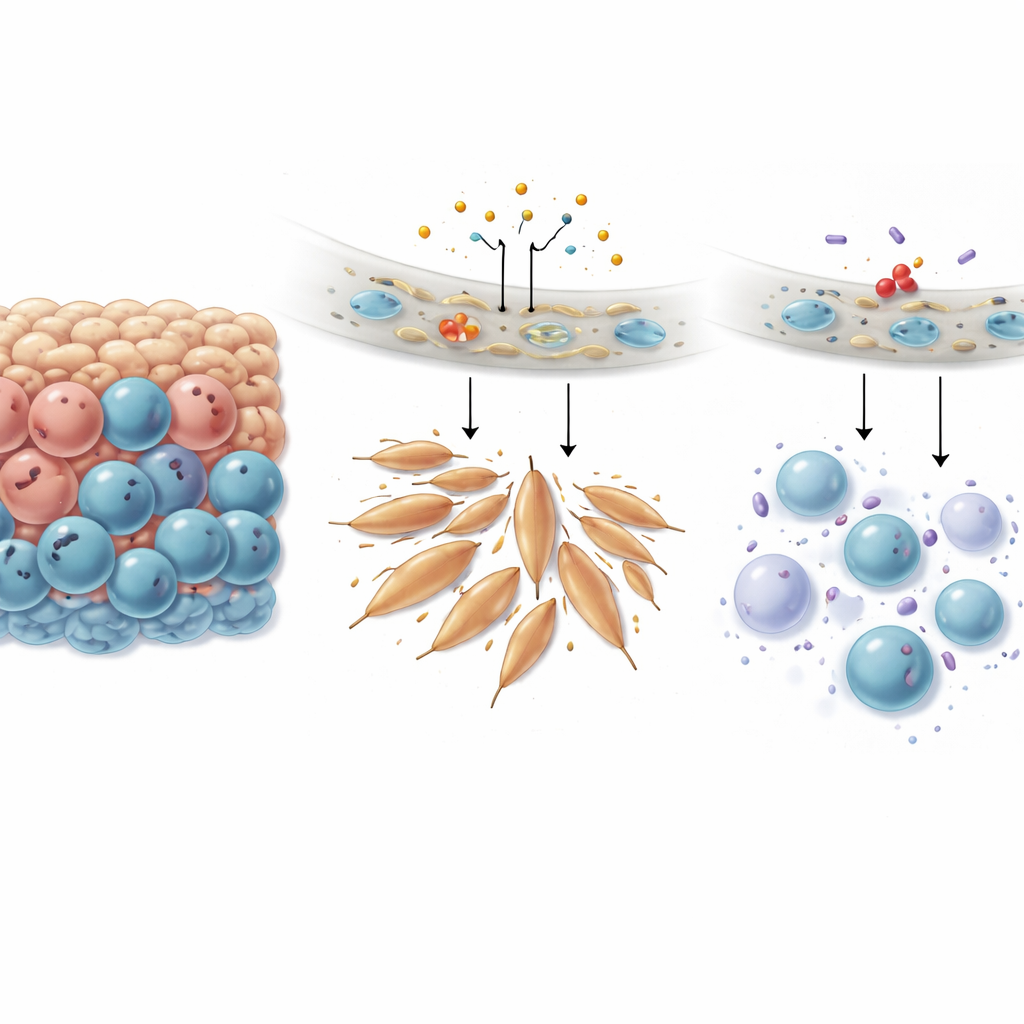
One protein, called LTBP1, emerged as a strong suspect. LTBP1 is part of the scaffolding that surrounds cells and helps control the activity of another powerful signaling molecule, TGF-beta, which can push cancer cells toward a more mobile, invasive state. The team found that LTBP1 levels were higher in bladder cancer cells than in normal bladder lining cells, and that tumors from patients with advanced disease and shorter survival tended to have more LTBP1. As tumor stage and spread increased, so did the amount of this protein.
How LTBP1 helps cancer cells survive
In laboratory experiments, the scientists used genetic tools to reduce LTBP1 in bladder cancer cell lines. When they did so, cancer cells grew more slowly, formed fewer colonies, and were less able to move and invade through artificial membranes. At the molecular level, dialing down LTBP1 weakened TGF-beta signals and shifted cells away from a shape and behavior associated with invasion and spread. Adding extra TGF-beta could partially undo these effects, suggesting that LTBP1 works mainly by boosting this pathway.
Making chemotherapy work harder
The team then examined what happens when LTBP1 is altered in the presence of cisplatin. Exposure to the drug alone actually drove LTBP1 and TGF-beta levels higher, hinting at a feedback loop that favors resistance. In contrast, when LTBP1 was suppressed, cancer cells required much less cisplatin to be killed. They showed higher rates of programmed cell death and increased levels of proteins that trigger this self-destruct process. In mouse models, tumors with reduced LTBP1 grew more slowly and produced fewer lung metastases, and the combination of LTBP1 suppression plus cisplatin gave the strongest tumor control without obvious added toxicity.
Clues for future treatment strategies
Finally, tissue staining from patients who had received standard cisplatin-based chemotherapy before bladder removal surgery showed that high LTBP1 levels were tied to more advanced disease stages and poorer survival. Taken together, the findings suggest that LTBP1 is not only a marker of aggressive, treatment-resistant bladder cancer, but also an active driver of that resistance through its support of TGF-beta–driven cell changes and suppressed cell death.
What this could mean for patients
In plain terms, this work points to LTBP1 as a potential "Achilles’ heel" in cisplatin-resistant bladder cancer. By turning down this helper protein, the researchers could make cancer cells less mobile, more fragile, and far more vulnerable to an existing chemotherapy drug. While drugs that directly target LTBP1 are not yet available, the study offers a clear roadmap: therapies that disrupt LTBP1 or its TGF-beta signaling links might restore the power of cisplatin, slow tumor growth, and improve survival for people facing advanced bladder cancer.
Citation: Li, Z., Yu, Y., Liu, F. et al. Suppression of LTBP1 enhances the sensitivity of bladder cancer to cisplatin. Sci Rep 16, 13328 (2026). https://doi.org/10.1038/s41598-026-42815-2
Keywords: bladder cancer, chemotherapy resistance, cisplatin, LTBP1, TGF-beta signaling