Clear Sky Science · en
Complementary neuroprotective effects of semaglutide and papaya in diabetic encephalopathy via antioxidant and insulin-signaling pathways
Why Brain Health Matters in Diabetes
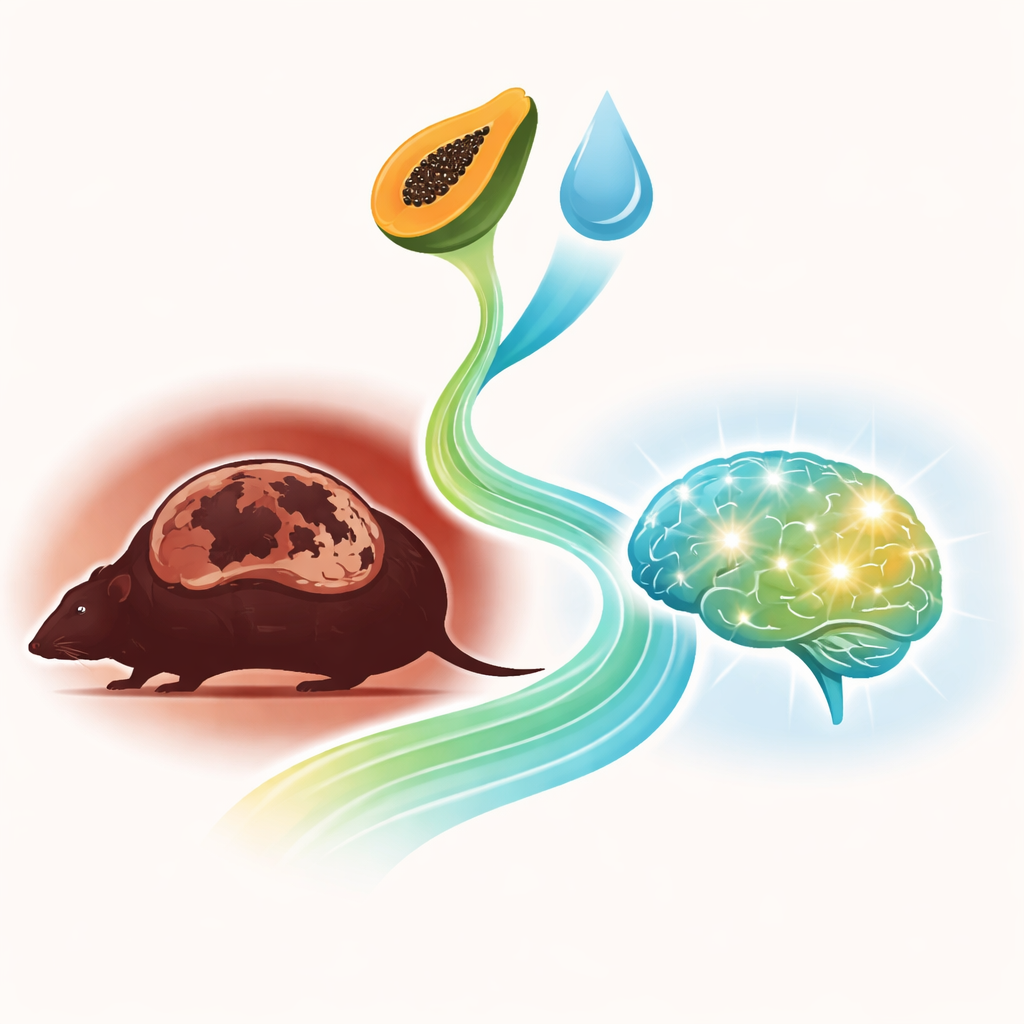
People often think of diabetes as a disease of blood sugar and blood vessels, but it also quietly affects the brain. Many individuals with long‑standing type 2 diabetes develop problems with memory, focus, and mood. This study explores an intriguing idea: could a modern diabetes drug, when paired with everyday papaya fruit, help shield the brain from the hidden damage caused by diabetes?
A Closer Look at Diabetes and the Brain
Doctors use the term “diabetic encephalopathy” for the gradual brain changes linked to long‑term high blood sugar. In this state, nerve cells are exposed to constant chemical stress, low‑grade inflammation, and faulty insulin signals in the brain. Over time, this can disturb learning and memory and even encourage the build‑up of sticky protein deposits similar to those seen in Alzheimer’s disease. Currently there is no treatment aimed specifically at protecting the diabetic brain, so researchers are looking for ways to combine blood‑sugar control with direct support for nerve cells.
Pairing a Modern Drug with a Tropical Fruit
The team worked with male rats in which a high‑fat, high‑sugar diet plus a chemical called streptozotocin was used to mimic type 2 diabetes. These animals were split into four groups: healthy controls, untreated diabetics, diabetics given the diabetes medication semaglutide, and diabetics given a lower dose of semaglutide along with daily papaya pulp juice. Semaglutide is already used in people to lower blood sugar and improve weight and heart‑risk profiles. Papaya pulp, meanwhile, is rich in natural antioxidants—plant compounds that mop up harmful reactive molecules and have shown hints of brain‑protective effects in earlier work.
What Happened Inside the Rats’ Bodies
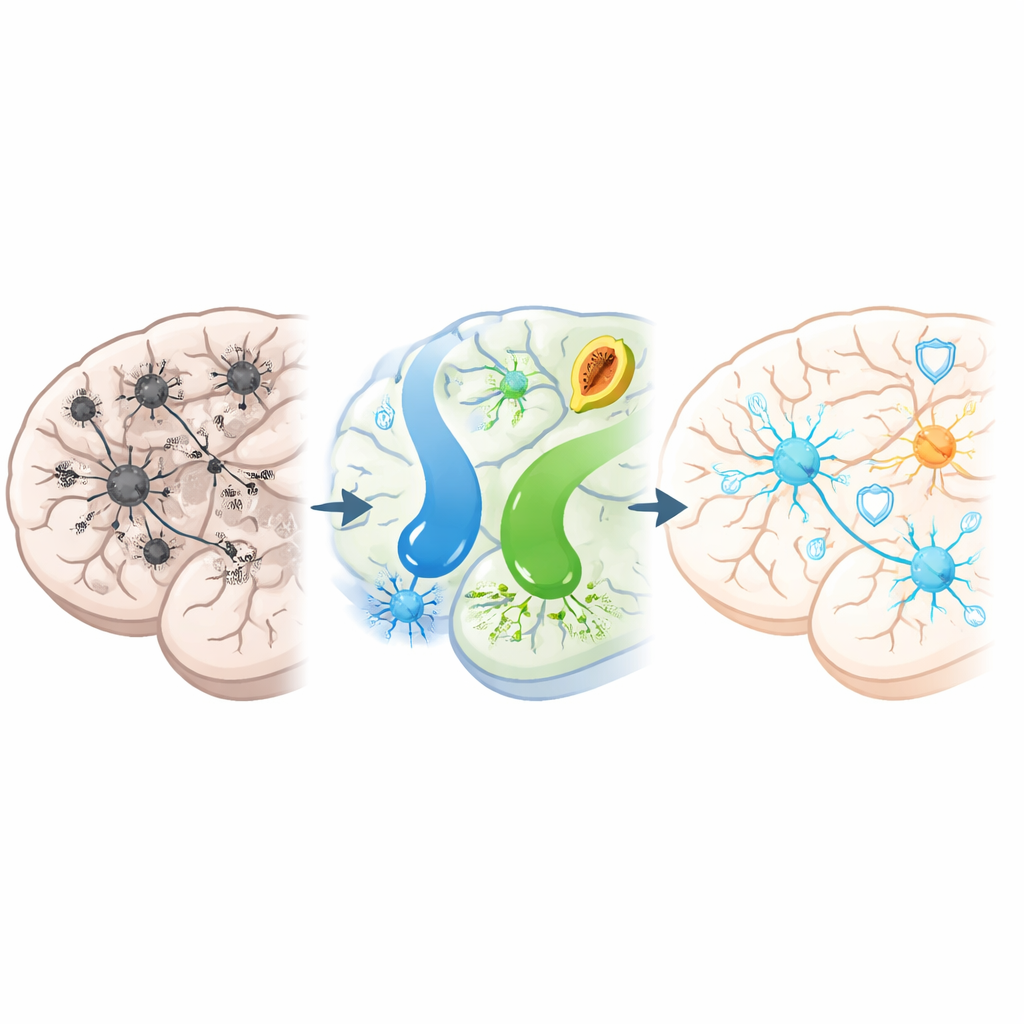
Both semaglutide on its own and the semaglutide‑papaya combination improved blood sugar and cholesterol levels compared with untreated diabetic rats. That metabolic clean‑up helps ease pressure on the brain. When the scientists examined brain tissue, they found that diabetes had greatly boosted markers of oxidative stress and inflammation and had weakened the brain’s own antioxidant defenses. It also ramped up enzymes linked to harmful protein clumps and cell suicide, while lowering growth factors that normally nourish neurons. Semaglutide alone corrected many of these changes, but adding papaya provided extra gains in specific areas: the combination restored several antioxidant systems and a key “calming” enzyme involved in acetylcholine signaling back to near‑normal, and brain sections from these animals showed the best‑preserved nerve‑cell structure in the cortex and hippocampus, regions vital for memory.
How the Duo Appears to Protect Nerve Cells
The study suggests that semaglutide and papaya help the brain in complementary ways. Semaglutide mainly improves insulin‑related pathways, lowers blood sugar, and tones down inflammatory signals, which together reduce the triggers for nerve‑cell damage and the formation of amyloid‑like proteins. Papaya, rich in phenolic compounds such as ferulic and caffeic acids, appears to give an extra push to antioxidant defenses and to enzymes that help maintain healthy communication between nerve cells. Rather than producing a dramatic overall “synergy” in every measurement, the pair works like a tag team: the drug handles metabolic and hormone‑signaling problems, while the fruit concentrates on chemical clean‑up and fine‑tuning of brain messenger systems.
What This Could Mean for People with Diabetes
In plain terms, the findings show that combining semaglutide with papaya pulp helped diabetic rats keep healthier brains than either high blood sugar alone or standard treatment without added antioxidants. The animals receiving both interventions had better blood chemistry, fewer signs of oxidative and inflammatory damage, lower levels of amyloid‑related and cell‑death markers, and brain tissue that looked much closer to normal under the microscope. This does not mean people with diabetes should start self‑prescribing fruit‑drug regimens—these results come from an animal model, and key questions about dose, safety, and real cognitive benefits in humans remain. But the work points toward a future where treating diabetes might routinely include pairing modern medicines with targeted, food‑based antioxidants to protect not just the heart and kidneys, but the brain as well.
Citation: Zeweil, M.M., Ali, M.M., Shamaa, M.M. et al. Complementary neuroprotective effects of semaglutide and papaya in diabetic encephalopathy via antioxidant and insulin-signaling pathways. Sci Rep 16, 10539 (2026). https://doi.org/10.1038/s41598-026-42791-7
Keywords: diabetic encephalopathy, semaglutide, papaya, neuroprotection, oxidative stress