Clear Sky Science · en
AIM2 framework for smart marketing innovation using AI driven consumer analytics with SOR neural networks and XGBoost in Saudi retail
Why your grocery data matters
Every time you shop—whether you pick up bread and milk at a corner store or fill an online cart with weekend groceries—you leave behind a trail of digital clues. This paper shows how those clues can be turned into smarter, fairer marketing in Saudi Arabia’s fast‑growing retail sector. By blending advanced artificial intelligence with a classic psychology model of how people respond to their environment, the authors propose a way for supermarkets to send offers that feel genuinely helpful, not creepy, while also supporting national goals for digital transformation under Vision 2030.
From simple ads to smart conversations
Retail marketing used to be about one big message for everyone: the same TV commercial, the same flyer, the same discount. As shopping has moved online and onto mobile phones, that world has changed. Today, stores can see which products tend to be bought together, how often customers visit, and how sensitive they are to price changes. The study argues that this flood of information needs more than just clever math; it must be grounded in how real people think and feel. The authors build on the "Stimulus–Organism–Response" idea from psychology, which says that what we see (stimulus) shapes how we feel and think (organism), which then guides what we do (response). In retail terms, that means digital offers and prices should be designed with customer trust, perceived value, and satisfaction in mind—not just short‑term sales.
A three-layer engine for modern retail
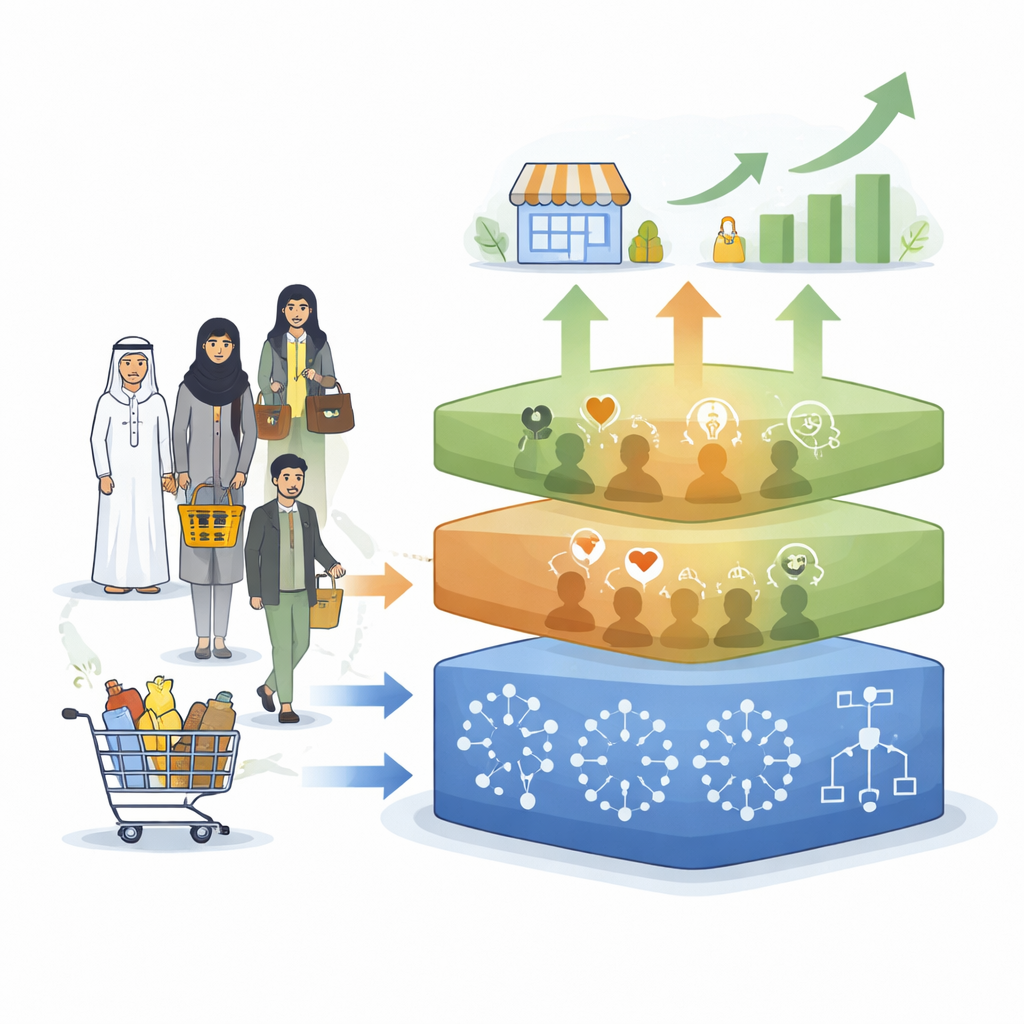
The heart of the paper is a new framework called AIM2, short for AI‑Integrated Marketing Innovation Model. AIM2 is built like a three‑story engine. On the bottom floor, powerful algorithms sift through raw sales data from Tamimi Markets, a large Saudi grocery chain. These include clustering methods that group shoppers into budget, mid‑range, and premium types; pattern‑mining tools that spot which items are often bought together; neural networks that learn demand patterns over time; and the XGBoost algorithm, a tree‑based method well suited to messy, real‑world data. The middle floor translates those algorithm outputs into concrete actions customers actually see, such as recommended bundles or time‑limited discounts. The top floor tracks how these actions affect feelings like trust and satisfaction, and behaviors like repeat visits and loyalty, closing the loop between data and human experience.
What the data revealed about Saudi shoppers
Using several months of real transaction records, the researchers show that Saudi grocery customers naturally fall into three main spending styles. Budget shoppers visit less often, spend smaller amounts, and react strongly to price changes and promotions. Mid‑range shoppers are more balanced, while premium shoppers buy more diverse baskets, spend more per trip, and are less sensitive to price. The system also uncovers stable product pairings—such as everyday staples and higher‑end combinations—that can be turned into useful bundles. When it comes to forecasting, the AI tools significantly outperform older approaches: the XGBoost model cuts pricing and churn errors by about 14% compared with traditional regression, and beats a simple neural network on accuracy by about 9%, while sequence‑based neural networks better capture seasonal surges around events like Ramadan and Eid.
Keeping the system fair, transparent, and adaptable
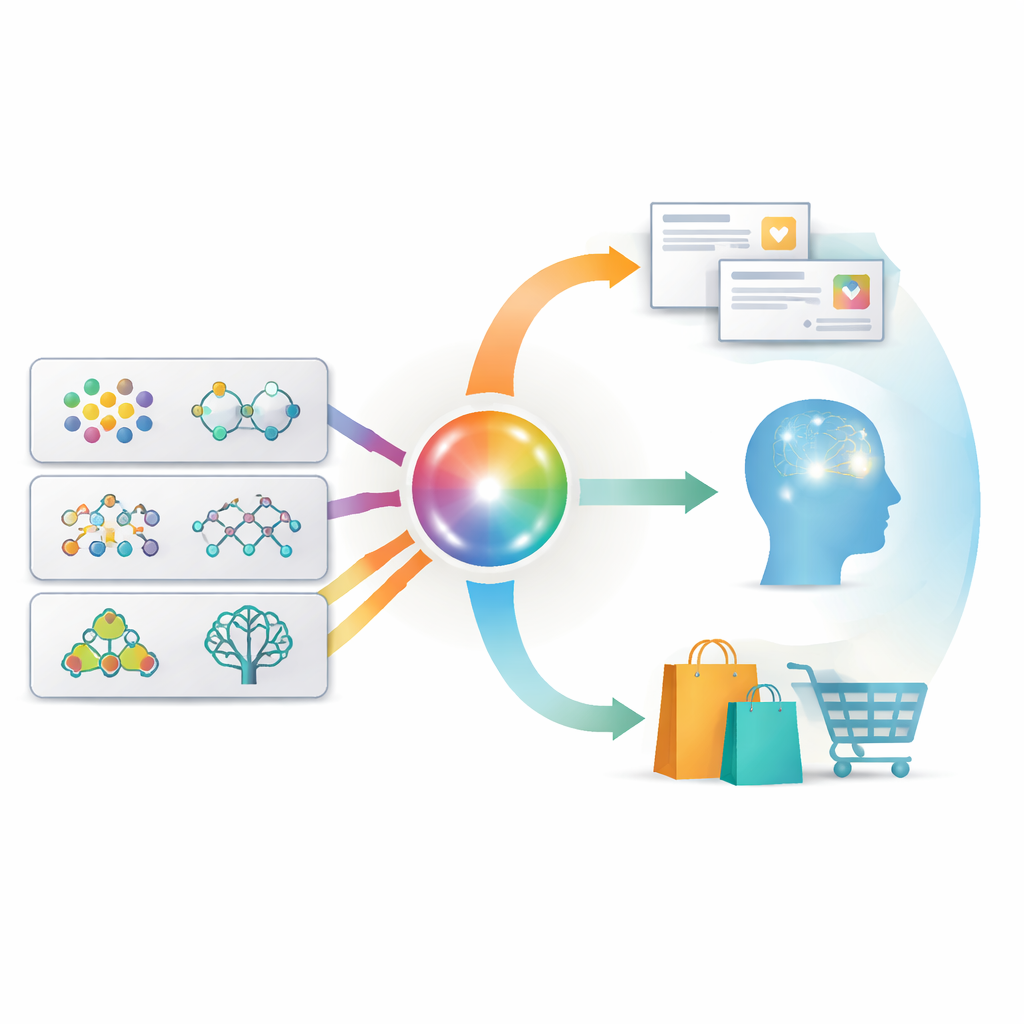
Beyond raw accuracy, the framework includes safeguards aimed at responsible use. The authors check whether the AI treats different behavioral groups—such as high‑ and low‑spending customers—similarly in terms of predicted outcomes, flagging problems when disparities become too large. They also use explanation tools that show which variables most influence each prediction, helping marketers understand why the system thinks a shopper might leave or respond to a certain price. A feedback loop monitors for changes over time: if customer behavior shifts or fairness measures drift, the models are retrained. This design acknowledges that retail environments and consumer expectations are moving targets, especially in a country pushing rapid digital modernization.
What it all means for everyday shopping
For non‑specialists, the main message is that smarter algorithms can make retail both more efficient and more human‑centered—if they are tied to an understanding of how people think and feel. In the AIM2 framework, the “intelligence” is not just about guessing what you will buy next; it is about making sure those guesses foster trust, satisfaction, and long‑term loyalty, rather than annoyance or suspicion. The study’s real‑world results in a Saudi supermarket show that such a system can segment customers meaningfully, suggest sensible product bundles, and improve demand and churn forecasts, all while building in checks for fairness and transparency. In practical terms, that could mean grocery apps that feel more like a helpful assistant and less like a pushy salesperson—supporting both better shopping experiences for individuals and broader digital and sustainability goals for the country.
Citation: Alarfaj, F.K., Badouch, M., Khan, H.U. et al. AIM2 framework for smart marketing innovation using AI driven consumer analytics with SOR neural networks and XGBoost in Saudi retail. Sci Rep 16, 14160 (2026). https://doi.org/10.1038/s41598-026-42787-3
Keywords: AI marketing, retail analytics, consumer behavior, Saudi Vision 2030, personalized shopping