Clear Sky Science · en
Ameliorative effects of omega-3 against profenofos-induced neurotoxicity in rats via PI3K/AKT pathway
Why this study matters to everyday life
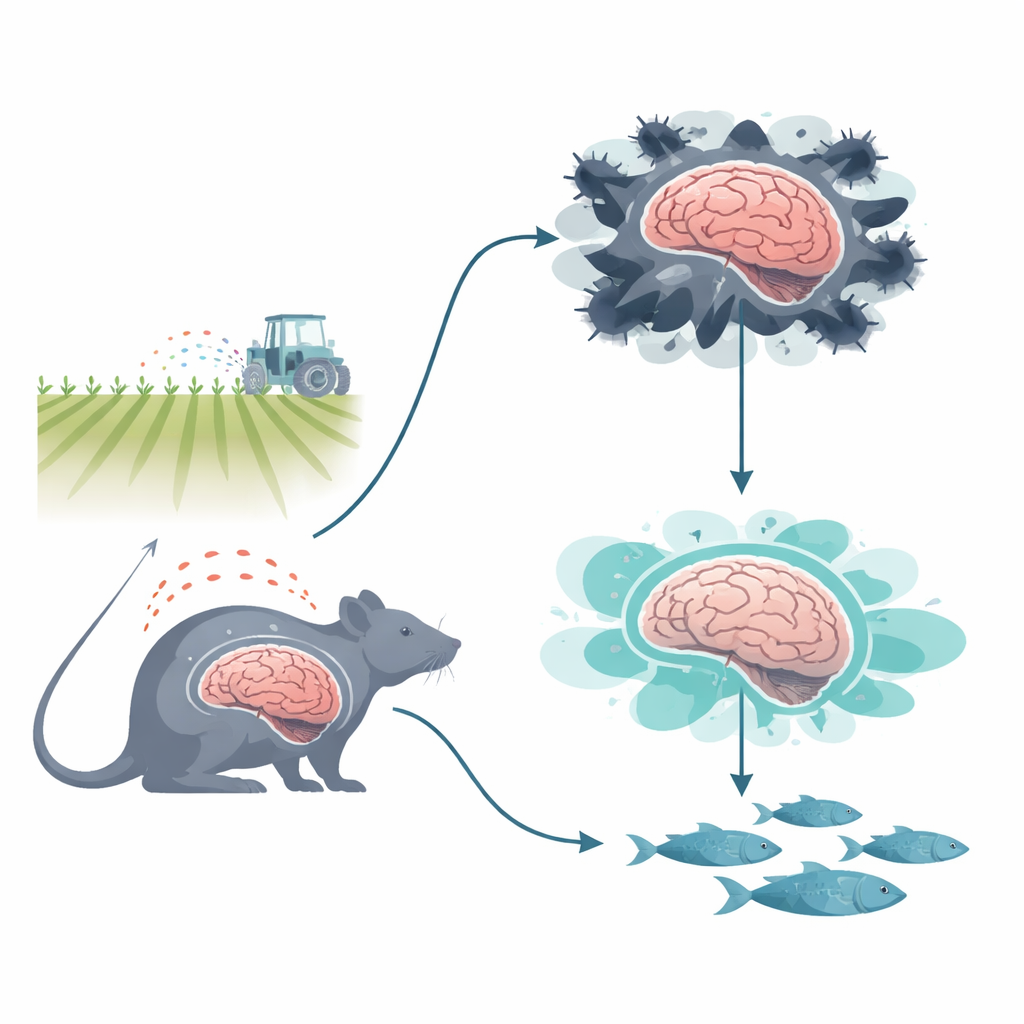
Pesticides help grow the food we eat, but some of them can quietly harm the brain when people or animals are exposed over time. This study looks at profenofos, a common crop insecticide, and asks whether omega‑3 fats from fish oil can shield the brain from its damaging effects. Using rats as a stand‑in for humans, the researchers explored not only whether omega‑3 could protect the brain, but also how it might work deep inside brain cells. Their findings add to a growing body of evidence that the fats we eat can meaningfully influence how well our brains cope with toxic chemicals in the environment.
A harmful pesticide and a hopeful nutrient
Profenofos is an organophosphate pesticide widely used on farms and in households. It kills insects by blocking an enzyme that clears a key nerve signal, causing the nervous system to malfunction. Unfortunately, the same basic mechanism can harm mammals, including humans, when exposure is high or long‑lasting. Earlier work showed that profenofos can disrupt hormones, damage DNA, and injure many organs. At the same time, omega‑3 fats found in oily fish have been linked to healthier brains, better mood and memory, and lower inflammation. Yet it was not clear whether omega‑3 could counteract the specific brain damage caused by profenofos, or through which internal cell pathways this protection might occur.
How the experiment was set up
The scientists worked with adult male Wistar rats and divided them into four small groups. One group stayed healthy and untreated. A second group received only omega‑3 daily for four weeks. A third group was given profenofos twice a week at a dose known to cause sub‑acute, or ongoing, toxicity without killing the animals. The final group received omega‑3 every day, but each profenofos dose was given one hour after the omega‑3. At the end of the study, the researchers collected blood and brain tissue from the animals. They measured blood fats, the activity of the nerve enzyme targeted by profenofos, chemical markers of oxidative stress in the brain, the activity of key genes involved in cell survival and inflammation, and microscopic changes in brain structure and cell death.
What happened to the rats’ brains
Rats exposed only to profenofos developed an unhealthy blood fat pattern: higher triglycerides, total cholesterol, and LDL‑cholesterol, and lower “good” HDL‑cholesterol. Their brain enzyme activity dropped, a clear sign of nerve stress. Inside the brain, levels of malondialdehyde, a byproduct of fat damage, shot up, while two important natural defenses, glutathione and the antioxidant enzyme superoxide dismutase, fell sharply. Under the microscope, these rats showed swollen and leaky blood vessels, areas of bleeding and tissue death, and spongy, vacuolated brain tissue. Staining for caspase‑3, a key executioner of programmed cell death, and TNF‑alpha, a strong inflammatory signal, revealed many more dying and inflamed cells than in healthy rats.
How omega‑3 changed the picture
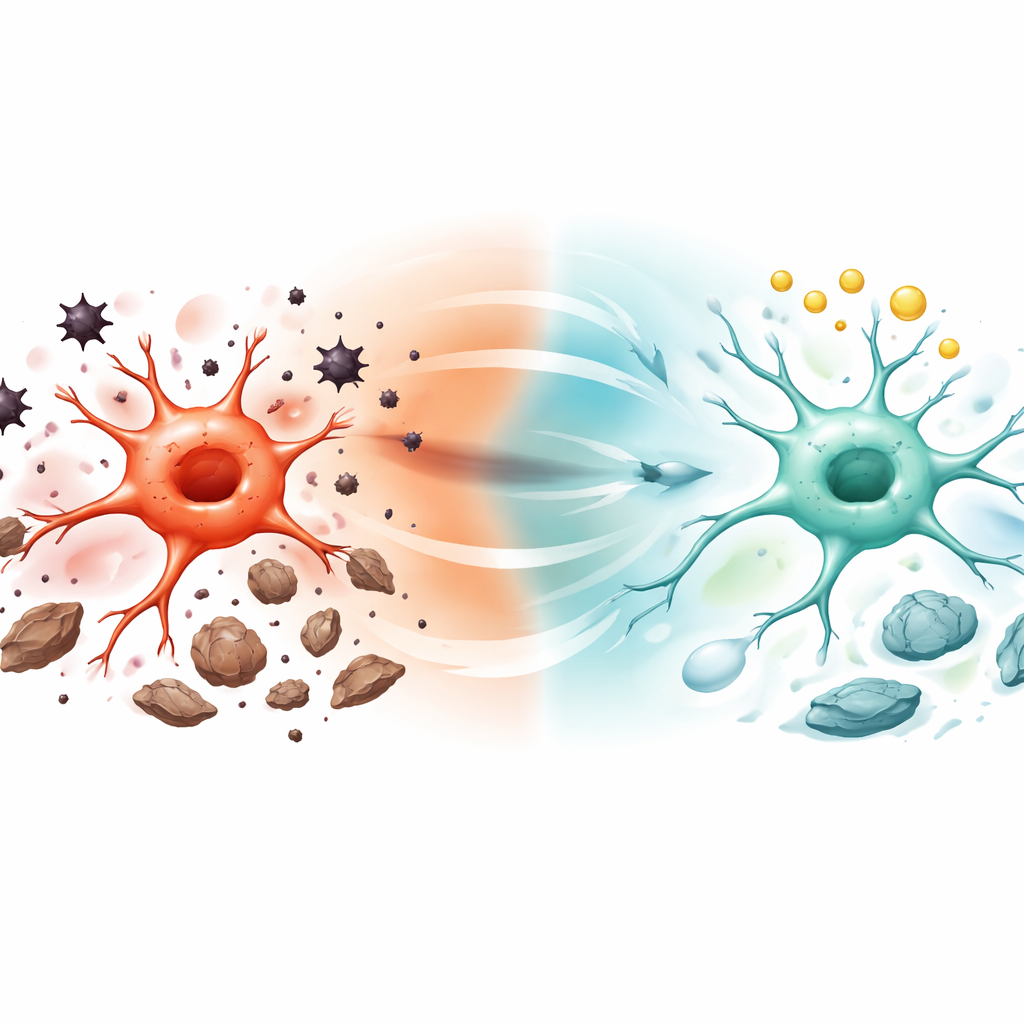
When rats received omega‑3 before profenofos, many of these harmful changes were blunted. Their blood fats shifted back toward normal, and the nerve enzyme activity in blood recovered almost to control levels. In the brain, markers of oxidative damage fell, while natural antioxidant defenses rebounded. The tissue itself looked much healthier under the microscope, with mostly well‑preserved nerve and support cells and only mild vessel congestion. At the genetic level, profenofos alone had switched off a protective pair of genes (PI3K and AKT) and switched on two that drive inflammation and stress responses (NFκB and STAT‑3). Omega‑3 treatment reversed this pattern: it boosted PI3K and AKT and dialed down NFκB and STAT‑3, suggesting a shift from a self‑destructive state toward one that favors repair and survival. Correspondingly, staining for caspase‑3 and TNF‑alpha dropped markedly in the omega‑3 plus profenofos group, indicating less cell death and calmer inflammation.
What this means for brain protection
For a lay reader, the main takeaway is that omega‑3 fats from fish oil did more than just slightly soften pesticide damage; they acted on several fronts at once. In these rats, omega‑3 improved blood fat balance, reduced chemical wear and tear in brain tissue, quieted inflammatory signals, and reactivated an internal “stay alive” program inside brain cells. All of this translated into visibly healthier brain structure, even in the face of ongoing exposure to a neurotoxic pesticide. While this work was done in animals and does not replace the need to limit pesticide exposure, it supports the idea that diets rich in omega‑3 fats may help the brain better withstand everyday chemical stresses by engaging powerful built‑in survival pathways.
Citation: Hegazy, A.M., M. Elbatawy, R., Mohammed, L.A. et al. Ameliorative effects of omega-3 against profenofos-induced neurotoxicity in rats via PI3K/AKT pathway. Sci Rep 16, 11614 (2026). https://doi.org/10.1038/s41598-026-42757-9
Keywords: omega-3, pesticide neurotoxicity, profenofos, brain inflammation, oxidative stress