Clear Sky Science · en
Genome-wide rare copy number variations potentially associated with drug resistance in epilepsy
Why some seizures ignore medicine
For most people with epilepsy, daily pills can keep seizures under control. But about one in three patients continue to have seizures despite trying several well-chosen drugs. This stubborn form, called drug‑resistant epilepsy, brings higher risks of injury, disability, and early death. The study summarized here asks a simple but important question: could hidden changes in our DNA help explain why some brains shrug off epilepsy medicines while others respond well?
Looking for missing and extra pieces of DNA
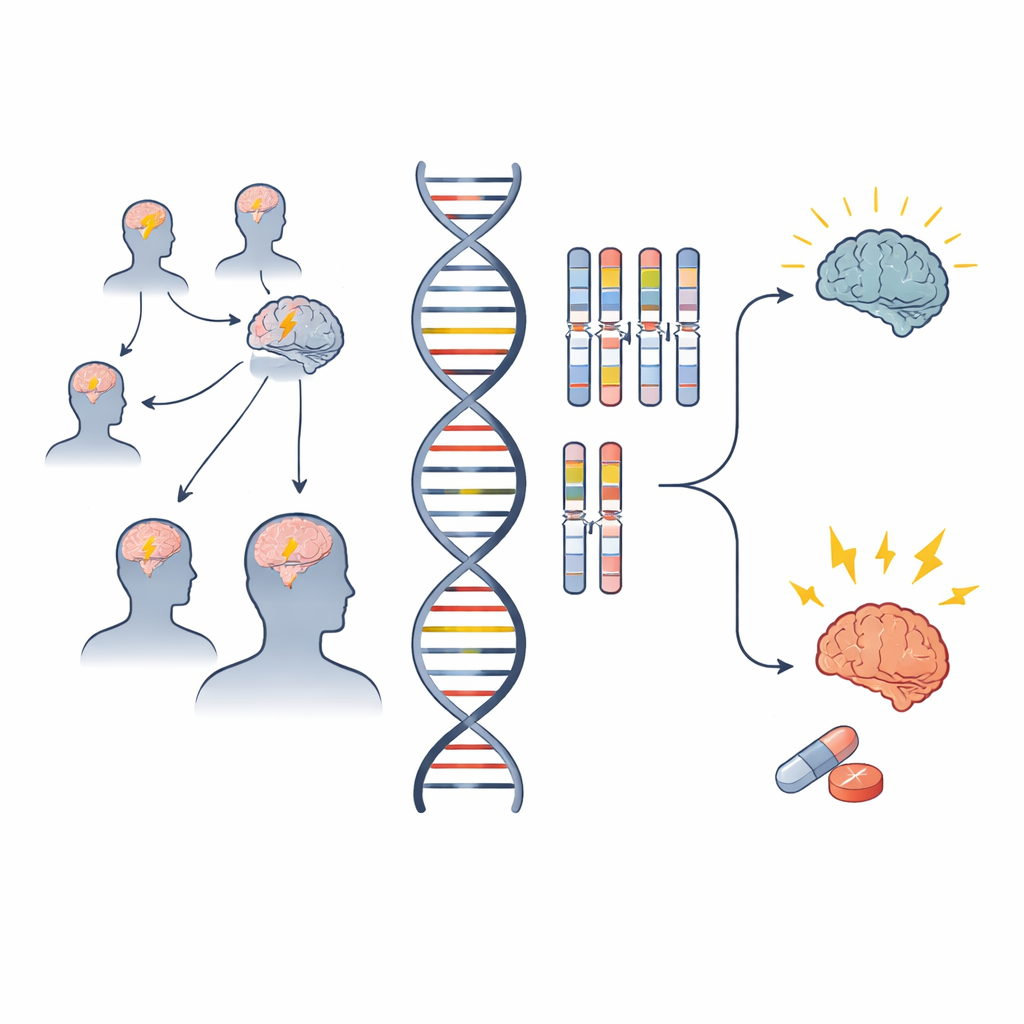
The researchers focused on a kind of genetic change called copy number variations, or CNVs. Instead of changing individual “letters” of DNA, CNVs remove or duplicate chunks of the genome, sometimes spanning many genes at once. Using whole‑genome sequencing, they scanned the DNA of 109 people with epilepsy treated at a major hospital in India. Sixty‑four had drug‑resistant epilepsy and 45 had drug‑sensitive epilepsy, meaning their seizures were controlled for at least two years on medication. The team carefully filtered out common, harmless CNVs and technically unreliable regions, keeping only rare changes that directly affected protein‑coding genes on the non‑sex chromosomes.
Rare gene changes that tilt the odds
After this filtering, both patient groups carried a similar overall number of CNVs, so simple “more versus fewer” did not explain drug resistance. The crucial difference appeared when the scientists looked for specific rare CNVs that occurred more often in one group than the other. Out of 148 rare gene‑disrupting CNVs, five were significantly more common in patients with drug‑resistant epilepsy, while only two were enriched in the drug‑responsive group. Several of the drug‑resistant CNVs involved large stretches of DNA, including a sizeable deletion on chromosome 9 and a duplication on chromosome 16, each spanning many genes. Statistical tests showed that people carrying these particular CNVs had much higher odds of having drug‑resistant epilepsy than those without them.
Genes that shape the brain and drug handling
The scientists then asked which genes were caught up in these rare CNVs. Among the regions enriched in drug‑resistant patients, they found 21 genes already linked to epilepsy, as well as many others involved in brain development, nerve signaling, and cell survival. Some genes were also known to influence how drugs are processed or how cells respond to medicines. When the team grouped the affected genes by biological function, two themes stood out: sulfation, a chemical process that helps modify and clear both brain signaling molecules and drugs; and olfaction, the sense of smell, which uses receptors that are surprisingly vulnerable to structural DNA changes and have been tied to certain forms of epilepsy. Together, these patterns suggest that extra or missing gene copies could subtly alter brain circuits and the way anti‑seizure drugs work in the body.
Links to earlier and more frequent seizures
Genetics is only part of the story, so the researchers also compared these CNVs with patients’ clinical histories. They found that people carrying the large deletion on chromosome 9 tended to develop seizures at a younger age and to have more frequent seizures. Those with the large duplication on chromosome 16 also had higher seizure rates. These relationships held even after accounting for age, sex, and technical factors in the sequencing. Younger age at onset and frequent seizures are both known risk markers for epilepsy that is hard to treat, strengthening the case that these rare DNA changes may contribute to a more severe, drug‑resistant course.
What this means for future epilepsy care
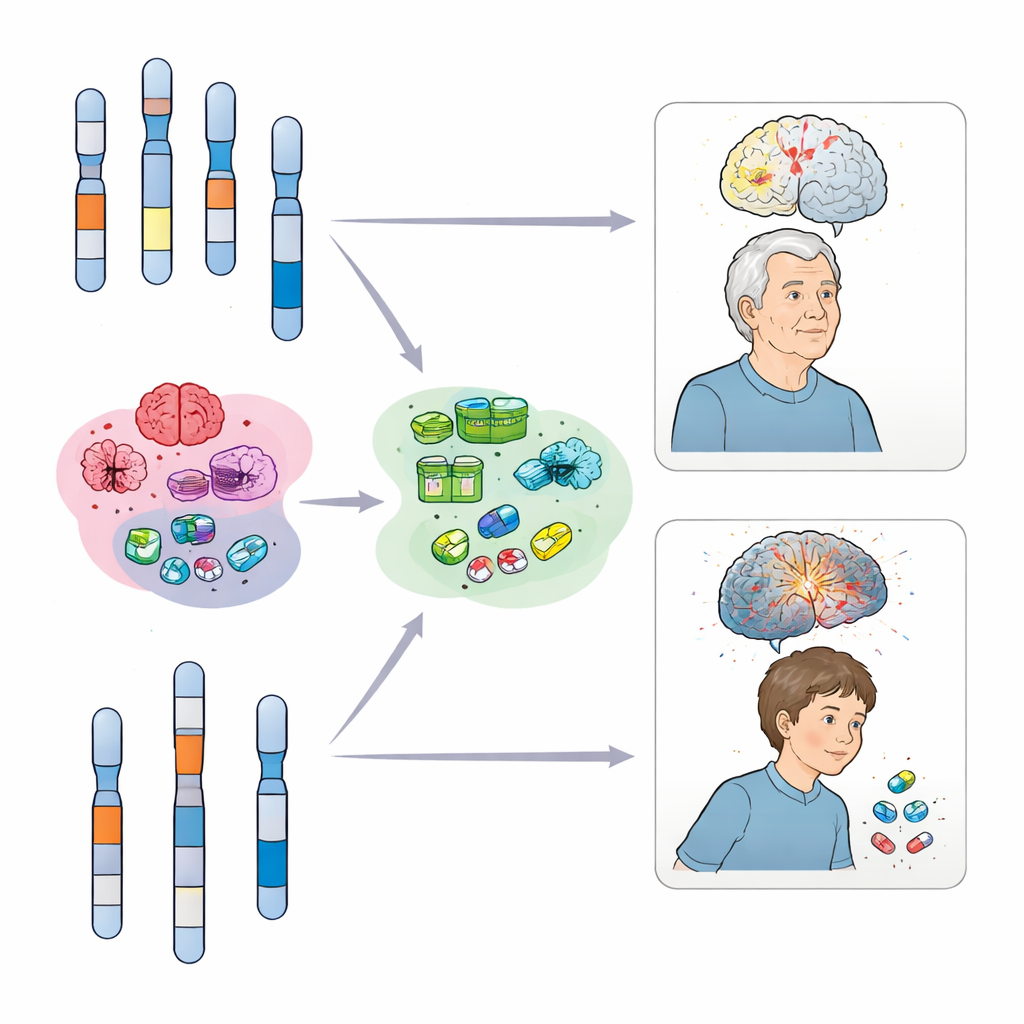
This study does not claim to have found the sole genetic cause of drug‑resistant epilepsy. Many patients likely carry additional undetected changes, and the work needs to be repeated in larger, more diverse groups and validated with functional experiments. Still, the findings point to a promising direction: rare gains and losses of specific DNA segments appear to nudge some people toward earlier, more frequent seizures and poorer responses to medicine. In the long run, such CNVs could help doctors identify patients at higher risk of drug resistance, guide more personalized treatment choices, and highlight new biological pathways—like sulfation and certain receptor systems—that might be targeted by future therapies.
Citation: Chakraborty, A., Kumar, K., Tripathi, S. et al. Genome-wide rare copy number variations potentially associated with drug resistance in epilepsy. Sci Rep 16, 12946 (2026). https://doi.org/10.1038/s41598-026-42657-y
Keywords: drug-resistant epilepsy, copy number variation, pharmacogenomics, whole genome sequencing, neurogenetics