Clear Sky Science · en
Use of nano-scale synthesized polyurethane acrylate as a binder in textile printing
Why this fabric story matters
From sportswear to bedsheets, most of the colors we see on printed fabrics come from tiny solid particles called pigments. Unlike dyes, these pigments don’t naturally cling to fibers, so printers rely on a “glue” called a binder to keep color in place. This study explores a new family of nano-sized binders that aim to make prints brighter, longer-lasting, and more environmentally friendly—using less chemical and energy than many current products.
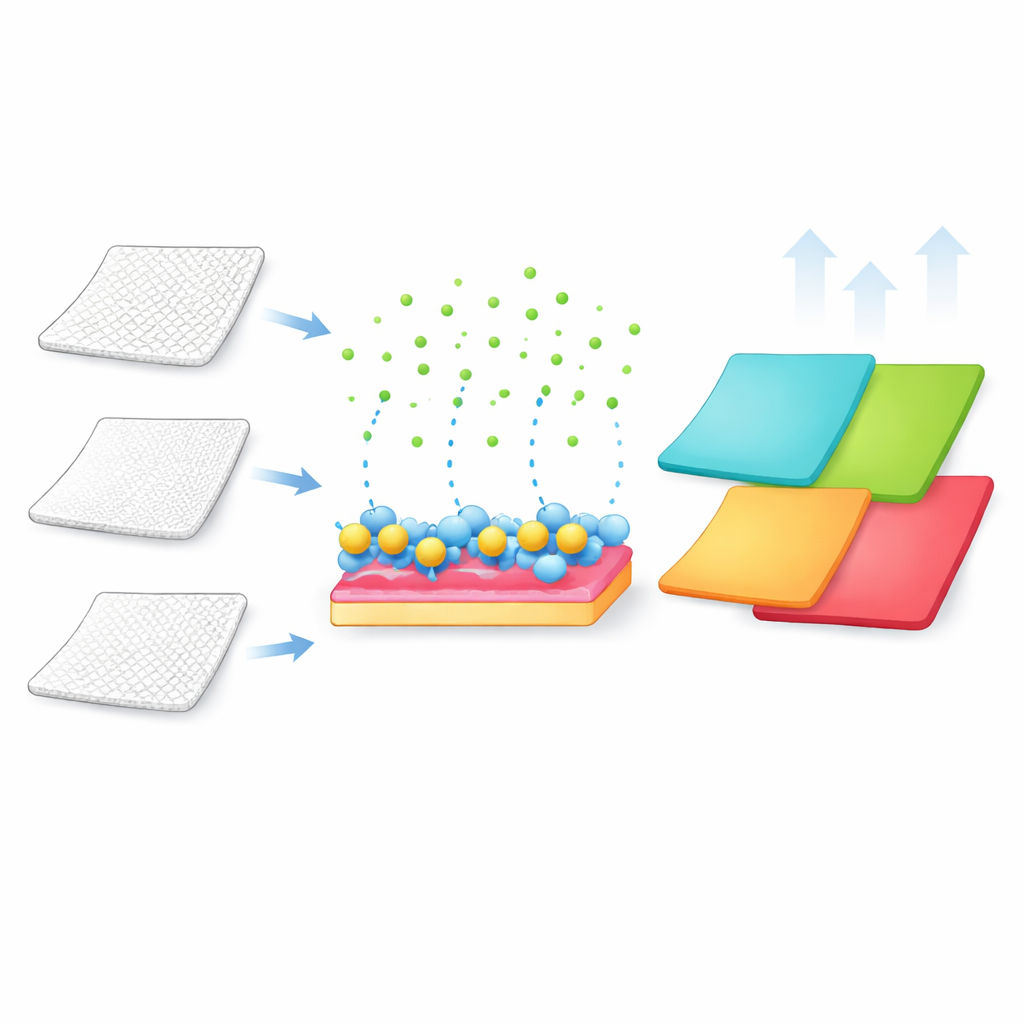
How color sticks to cloth
In pigment printing, color particles sit on the surface of the fabric rather than soaking in. To stop them from rubbing or washing off, manufacturers mix pigments with a liquid binder that forms a thin film when heated. Conventional binders, often made from petroleum-based polymers, can have several drawbacks: they may crack or stiffen the fabric, require high temperatures and long curing times, fade or yellow with age, and are not always kind to the environment. Because pigment printing is used in more than 80% of printed textiles, even small improvements in binder chemistry can have a large impact on comfort, durability, cost, and sustainability.
A new nano-glue for textiles
The authors worked with four closely related polyurethane acrylate binders that had been synthesized at the nano scale. These binders, produced mainly with microwave heating rather than traditional oil baths, form extremely small and uniform particles—down to a few tens of nanometers. The team used them in water-based printing pastes containing a green commercial pigment and applied the pastes to three common fabric types: pure cotton, pure polyester, and a 50/50 cotton–polyester blend. Printing was done by flat screen, followed by controlled heating at different temperatures and times to harden the binder film.
Testing color strength and toughness
To judge performance, the researchers measured color strength (how deep and intense the print appears) and a range of “fastness” properties, including resistance to washing, perspiration, and rubbing in both dry and wet conditions. They varied binder concentration from very low (5 grams per liter of paste) up to 25 grams per liter, and compared these results with a widely used commercial binder that the manufacturer recommends at 50 grams per liter. They also explored curing temperatures from 80 °C up to 160 °C and times from 4 to 8 minutes to find practical settings that save energy without sacrificing quality.
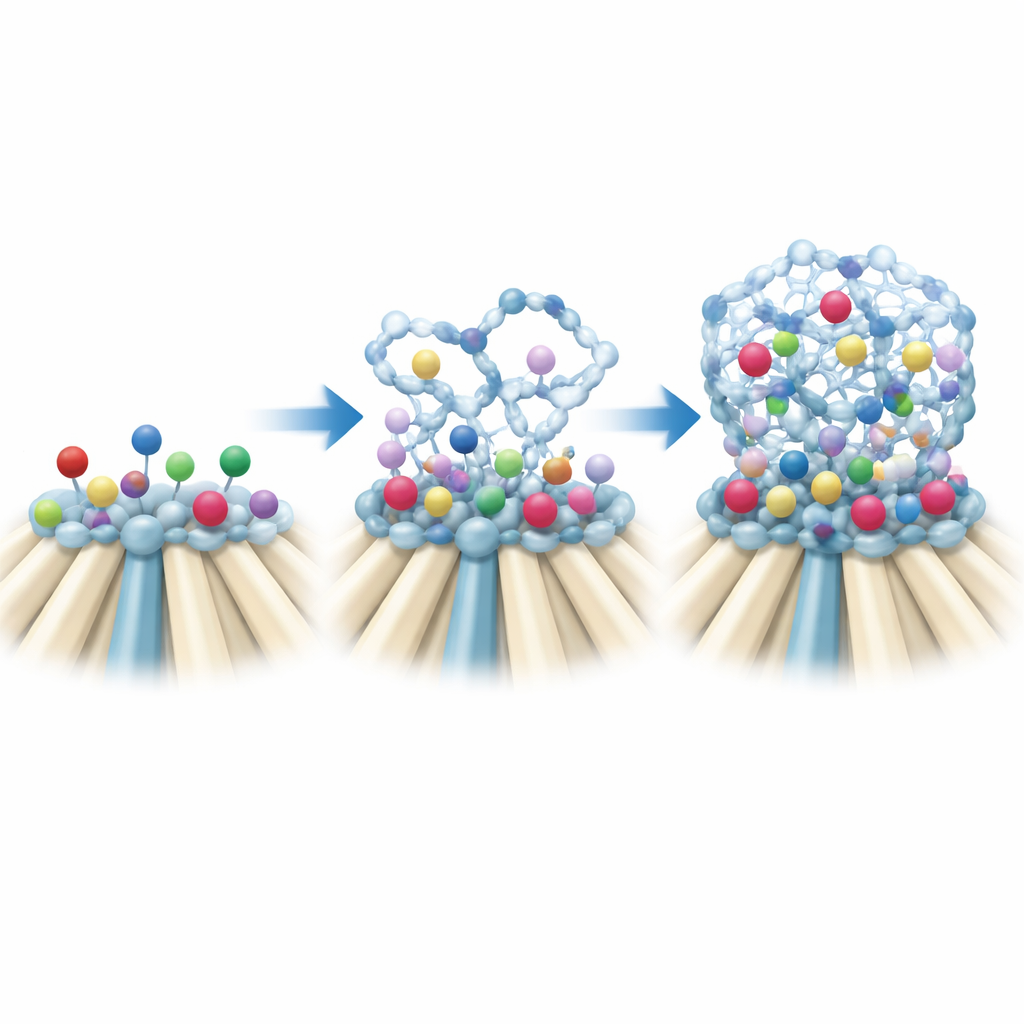
What the microscopes revealed
Electron microscope images of printed samples offered a close-up view of how the new binders behave on the fabric surface. Without any binder, pigment particles remained as isolated specks that could easily be removed by washing. With the nano-scale polyurethane acrylate binders, the fibers were covered by a smooth, continuous film in which pigment particles were evenly embedded. This uniform coating appeared on cotton, polyester, and blended fabrics, showing that the same chemistry can work across a wide range of materials used in clothing and home textiles.
Brighter colors with less chemical and energy
Across all fabrics, the nano-binders delivered color intensity equal to or higher than the commercial product while using only one-fifth of the binder concentration. For example, on cotton printed with just 5 grams per liter of several nano-binders, color strength values exceeded those from the commercial binder used at 50 grams per liter. Similar advantages were seen on polyester and cotton–polyester blends. The best results were obtained when fabrics were cured at about 140 °C for 4 minutes; raising the temperature or time further brought only minor gains, meaning mills could save energy. Washing and perspiration resistance generally ranged from very good to excellent. Dry rubbing was good to very good for all fabrics, while wet rubbing remained more challenging for polyester-rich materials but still improved with some of the new binders.
What this means for everyday fabrics
For non-specialists, the takeaway is that these nano-scale binders act as a smarter glue for fabric printing. They can lock in vivid color using less material and gentler heating, which helps reduce costs and environmental impact. At the same time, they maintain or improve durability so prints stay bright after repeated laundering and wear. If adopted in industry, this approach could lead to more comfortable and flexible printed textiles that keep their look longer while placing a lighter burden on energy use and chemical consumption.
Citation: Haggag, K.M., El-Molla, M.M., El-Shall, F.N. et al. Use of nano-scale synthesized polyurethane acrylate as a binder in textile printing. Sci Rep 16, 10477 (2026). https://doi.org/10.1038/s41598-026-42613-w
Keywords: textile printing, pigment binder, polyurethane acrylate, nano coatings, fabric durability