Clear Sky Science · en
Key hub genes identification and therapeutic target prediction via multi-validation for the senescence-inflammation axis in prostate cancer
Why aging and inflammation matter in prostate cancer
Prostate cancer is one of the most common cancers in men, yet the biological forces that make some tumors aggressive and resistant to treatment are still being uncovered. This study explores a powerful feedback loop between aging cells and chronic inflammation inside the prostate, and shows how this loop may help drive cancer growth. By pinpointing a small set of key genes and suggesting existing compounds that might disrupt them, the work opens possible paths toward more precise diagnosis and treatment.
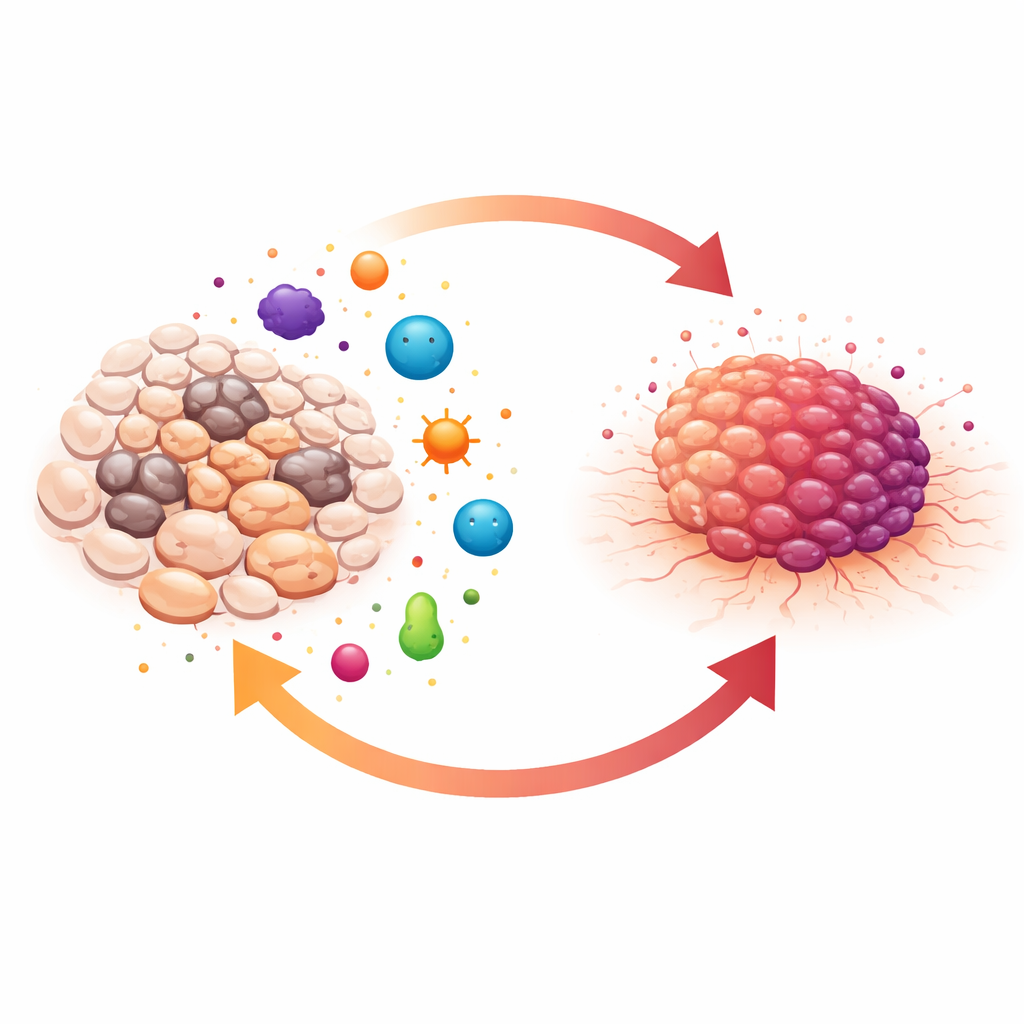
A harmful loop between worn-out cells and chronic irritation
As we age, many cells stop dividing but do not die. These “senescent” cells remain active, releasing a cocktail of growth factors and inflammatory molecules that can irritate neighboring tissue. In the prostate, this aging process coincides with long-term immune activity. Together, senescent cells and inflammation can form a vicious cycle: damaged cells call in immune cells, immune cells release further irritants, and the environment becomes increasingly favorable for cancer cells to appear, survive, and eventually spread. The authors set out to define the genes that sit at the center of this loop in prostate cancer, and to see whether these genes could serve as warning signs or drug targets.
Mining big data to find crucial genetic signals
The team analyzed thousands of genes from several publicly available prostate tissue datasets, comparing cancer samples with normal prostate tissue. Using advanced network methods, they searched not just for genes that change in cancer, but for groups of genes that fluctuate together and strongly track with the presence of disease. From more than 18,000 genes, they narrowed the list down to 203 that were most closely tied to prostate cancer and to processes such as cell death, cellular aging, and immune responses. Within this group, they identified 10 “hub” genes that act as key crossroads in the network of molecular interactions.
Four central players linking aging cells and immune attack
Among these 10 hub genes, four stood out: TXN, TOP2A, ANXA2, and HSP90B1. These genes influence how cells handle oxidative stress, how quickly they divide, how they interact with their surroundings, and how they withstand damage. The researchers validated their importance by examining prostate tumor samples from patients. Three of the genes—TXN, TOP2A, and HSP90B1—were consistently more active in tumors than in nearby normal tissue, whereas ANXA2 tended to be less active. Further analysis showed that these genes cluster in pathways related to programmed cell death, cellular senescence, and inflammatory signaling, supporting the idea that they help link aging cells to a chronically irritated tissue environment.
Immune cells in the tumor neighborhood
Next, the study zoomed in on which immune cells surround and infiltrate prostate tumors. Using computational tools and single-cell sequencing data, the authors found that memory B cells, several types of T cells, and especially monocytes, macrophages, and natural killer (NK) cells are prominent in cancerous prostates. Many of the hub genes, including ACTB, RPLP0, and RPSA, are highly active in these immune cells. This suggests that the same genes that mark cancer cells may also shape how immune cells behave—either attacking the tumor or, paradoxically, helping it grow by maintaining ongoing inflammation and tissue remodeling.
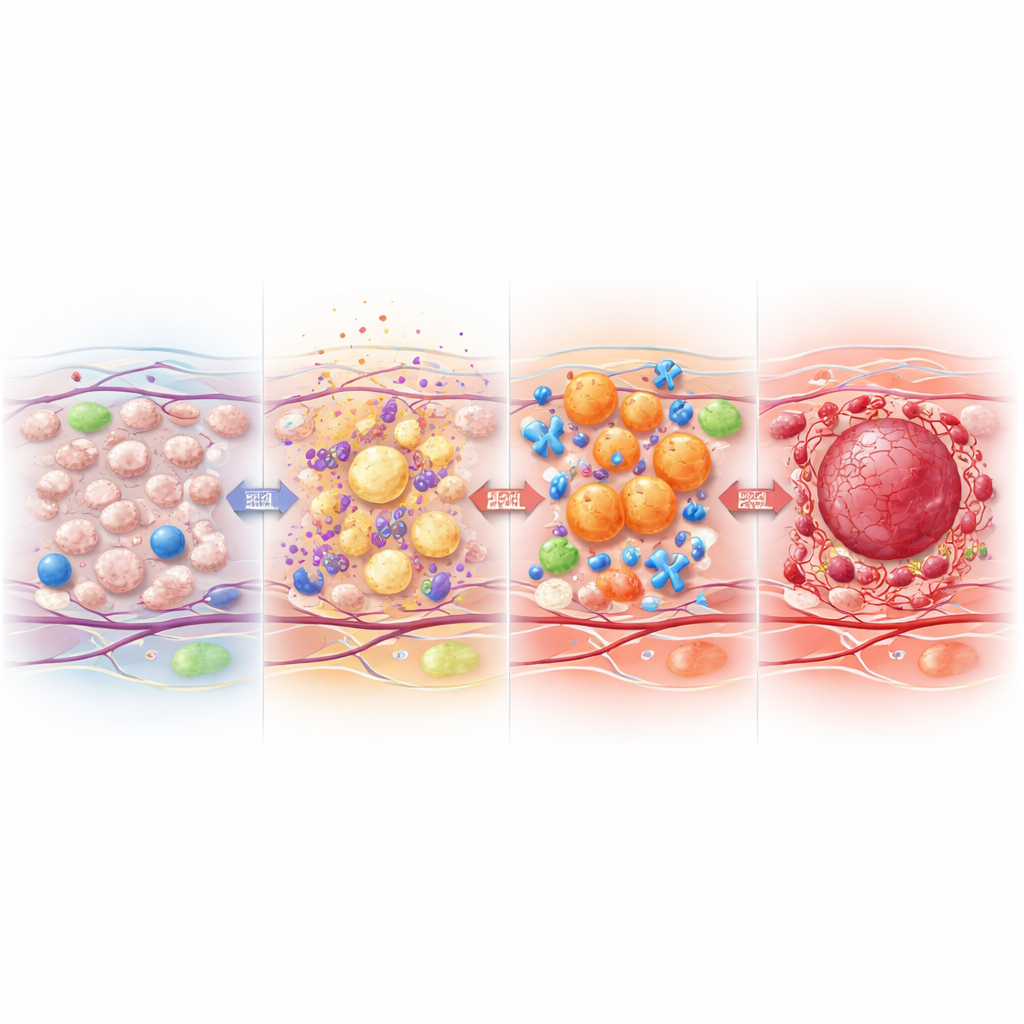
Turning gene maps into treatment ideas
Because the identified hub genes are already linked to known proteins, the researchers could use drug databases and computer docking simulations to search for compounds that might bind to them. They highlighted several candidates, including the plant compound resveratrol and the cancer drug regorafenib, which showed strong predicted interactions with TXN, TOP2A, ANXA2, and HSP90B1. While these findings are preliminary and need laboratory and clinical testing, they suggest that existing drugs—or modified versions of them—could be repurposed to disrupt the aging–inflammation loop in prostate cancer.
What this means for patients and future care
Viewed simply, this study argues that prostate cancer is not driven by rogue cells alone, but by a troubled neighborhood in which aging cells and overactive immune responses feed off each other. The authors propose a set of core genes that could help doctors better predict which tumors are more dangerous and which patients might respond to treatments that target inflammation, cellular aging, or the immune environment. They also point to resveratrol, regorafenib, and related compounds as promising starting points for therapies aimed at cutting the “senescence–inflammation” cycle and slowing prostate cancer progression.
Citation: Wang, Y., Liu, Q., Yi, M. et al. Key hub genes identification and therapeutic target prediction via multi-validation for the senescence-inflammation axis in prostate cancer. Sci Rep 16, 12512 (2026). https://doi.org/10.1038/s41598-026-42497-w
Keywords: prostate cancer, cellular senescence, inflammation, tumor microenvironment, targeted therapy