Clear Sky Science · en
Development of Quantum dot-based enzyme biosensor for the detection of dopamine in urine
Why a brain chemical in urine matters
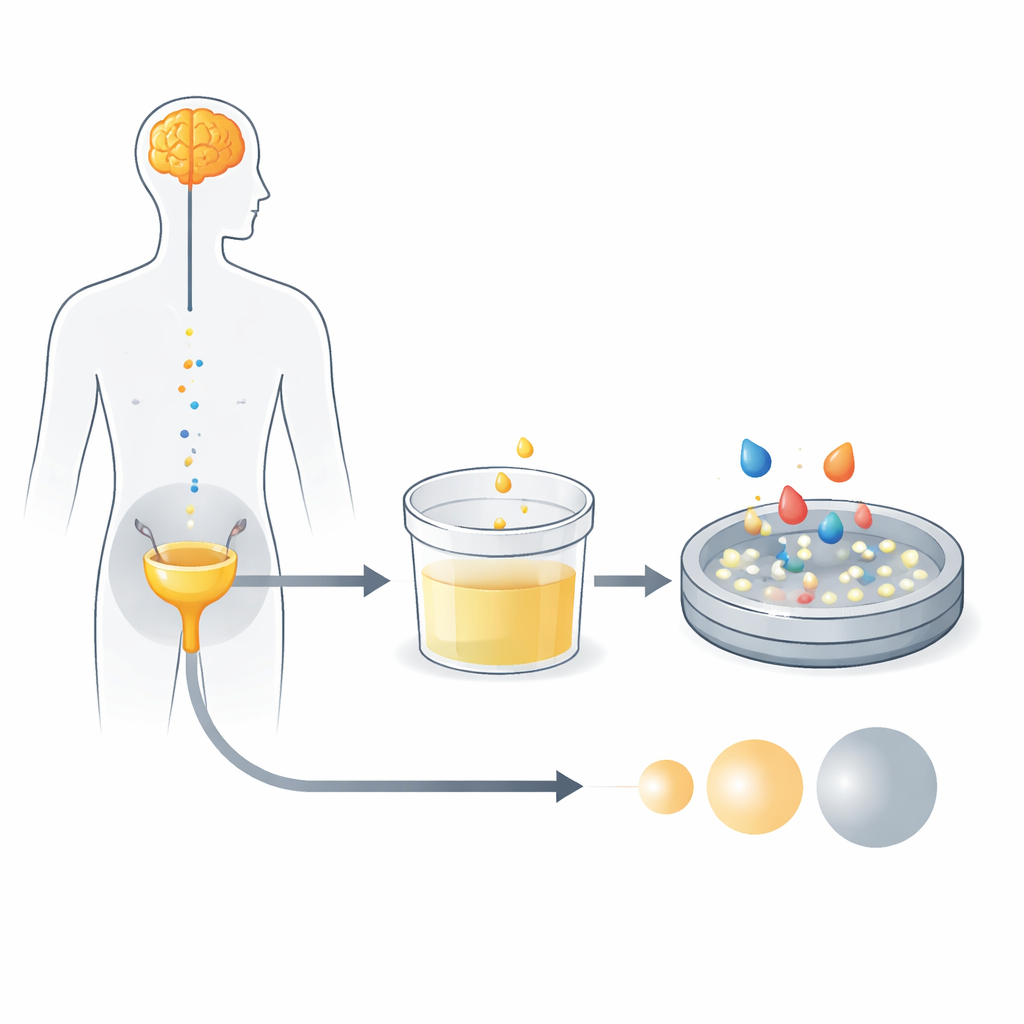
Dopamine is often called the brain’s “feel‑good” messenger because it helps control mood, motivation, and movement. When dopamine levels drift too high or too low, they are linked to conditions such as depression, schizophrenia, and Parkinson’s disease. Doctors can get clues about a person’s dopamine balance by looking at how much of it is excreted in urine, but today’s laboratory tests are slow, expensive, and require skilled staff. This study introduces a new lab‑bench method that aims to make dopamine checks in urine faster, more sensitive, and easier to run, laying groundwork for future point‑of‑care testing.
Turning light into a chemical detector
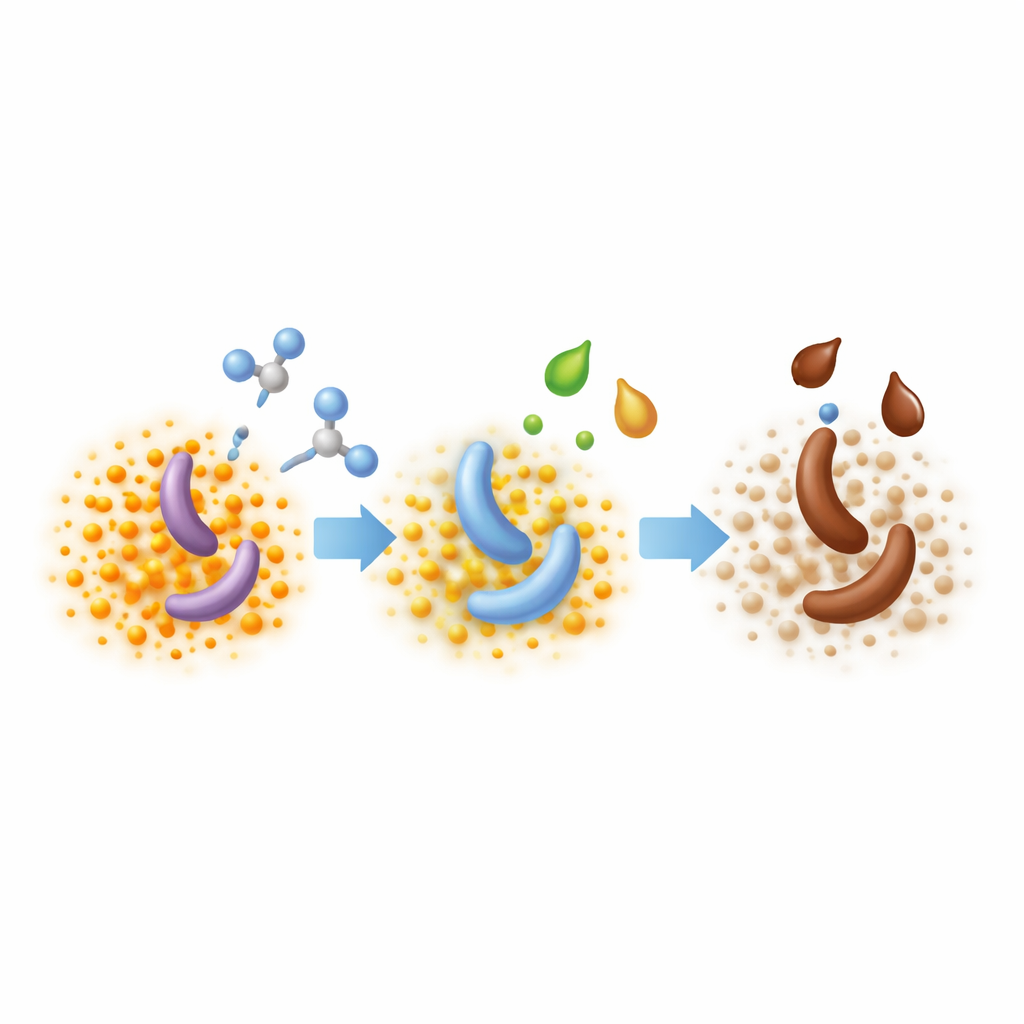
The researchers build their sensor around tiny light‑emitting particles called quantum dots. These nanoscale crystals glow brightly when illuminated, and their glow can be tuned to respond to nearby molecules. In this work, the team uses cadmium telluride quantum dots that shine in the orange‑red part of the spectrum. They pair these dots with an enzyme commonly used in biochemical tests, horseradish peroxidase, which helps oxidize dopamine into a related compound called a quinone. When this quinone forms close to the quantum dots, it soaks up the energy that would otherwise be released as light, causing the dots to dim. The more dopamine present, the more quinone is produced and the more the light is quenched.
Building and tuning the glowing sensor
To turn this idea into a working test, the team first optimized the ingredients of the reaction. They mixed a fixed amount of quantum dots and dopamine with different doses of the enzyme and its helper molecule, hydrogen peroxide. By monitoring how the light signal changed, they identified an enzyme level that gave strong, reliable quenching without wasting reagents, and a peroxide level that drove the reaction efficiently. They also confirmed that peroxide alone did not noticeably dim the dots; quenching occurred only when enzyme, peroxide, and dopamine were all present, showing that the signal truly came from the intended chemical steps.
Measuring dopamine in water and real urine
After tuning the recipe, the researchers tested how well the sensor measured dopamine added to a simple salt solution. As dopamine concentration rose, the quantum dots’ glow fell in a smooth, predictable way over the low micromolar range, with an excellent straight‑line relationship between signal and amount. The smallest dopamine level they could reliably detect was about 1.2 micromoles per liter. They then moved to a more realistic challenge: urine from healthy volunteers. Because urine contains many other substances that can interfere with measurements, they diluted samples until the background effects were minimized but the dopamine signal remained detectable, settling on a 1‑in‑100 dilution.
Standing up to interfering substances
In spiked urine samples, the sensor again showed a clear drop in light with rising dopamine, now over a broader range up to 8 micromoles per liter. When the team compared the measured values to the known amounts they had added, they recovered about 94–99 percent of the expected dopamine, indicating good accuracy. They also checked whether common urine components would confuse the test. Typical levels of salts, glucose, and creatinine produced little change. Uric acid and vitamin C, which are chemically similar to dopamine, did cause some dimming of the quantum dots, but adding dopamine on top of them led to a further, concentration‑dependent loss of light. This showed that, even in the presence of these look‑alike molecules, the sensor still responded strongly and specifically to dopamine.
What this means for everyday health
Taken together, the results show that a simple mix of glowing quantum dots and an everyday enzyme can act as a sensitive light‑based gauge of dopamine in urine. The sensor detects dopamine at levels relevant for healthy people and for patients with disorders that alter dopamine excretion, and it performs reliably in real urine despite the complexity of that fluid. While this is still a laboratory method rather than a clinic‑ready device, the work demonstrates a promising route toward faster, less labor‑intensive monitoring of a key brain chemical using just a small urine sample.
Citation: Yogaraju, D.S., Shetty, N.S., Mohideen, S. et al. Development of Quantum dot-based enzyme biosensor for the detection of dopamine in urine. Sci Rep 16, 13245 (2026). https://doi.org/10.1038/s41598-026-42466-3
Keywords: dopamine, urine test, biosensor, quantum dots, fluorescence