Clear Sky Science · en
Internal gelation-based alginate hydrogel films incorporating Quercus infectoria gall extract for multifunctional wound dressing applications
Why better bandages matter
Chronic wounds—such as diabetic foot ulcers or stubborn burns—can linger for months, causing pain, infection, and high medical costs. These wounds often refuse to heal because they are trapped in a vicious cycle of bacteria, ongoing inflammation, and damaging molecules called free radicals. This study explores a new type of gentle, see‑through bandage made from seaweed-derived gel and an age‑old herbal ingredient from oak tree galls, aiming to break that cycle and help skin repair itself more effectively.
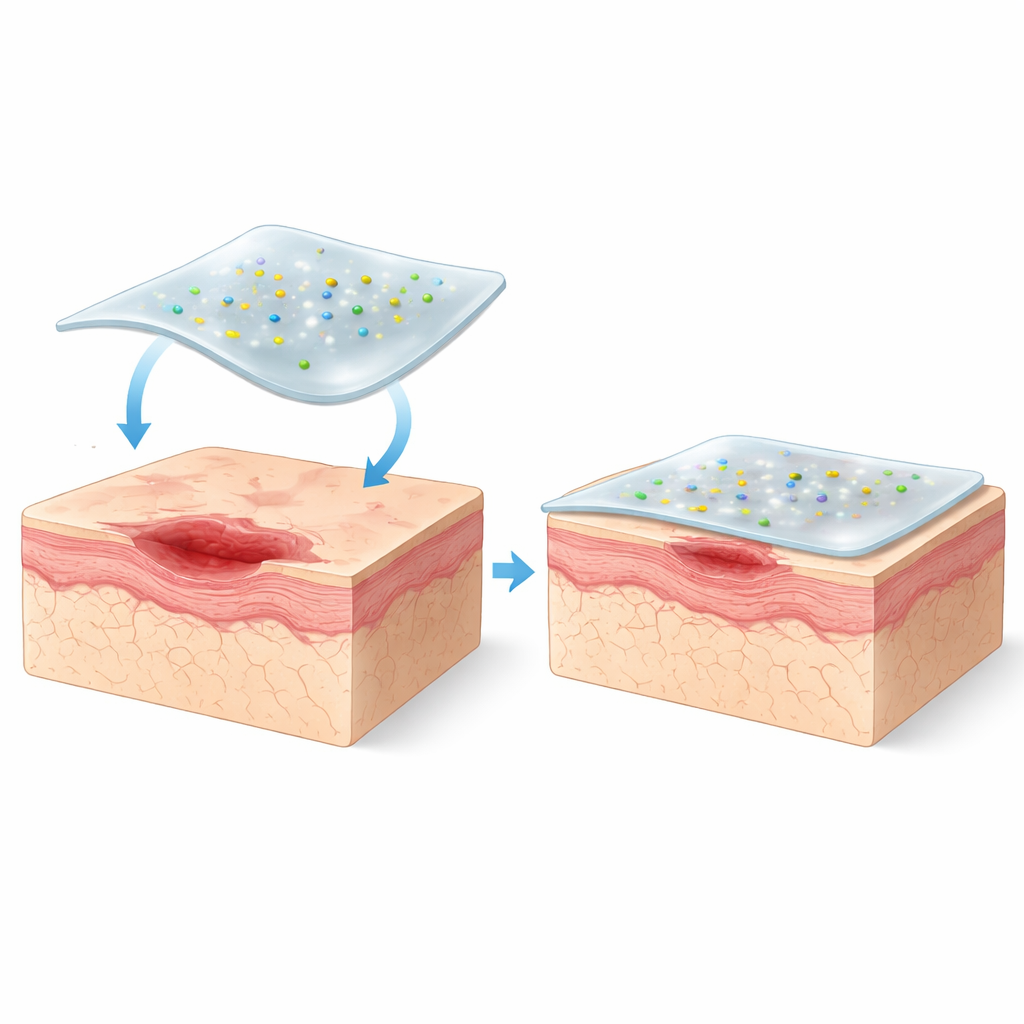
A smart film built from seaweed and oak galls
The team created thin, flexible films from alginate, a natural sugar polymer obtained from brown seaweed, and infused them with an extract of Quercus infectoria galls, long used in traditional Asian medicine for treating wounds. Instead of hardening the gel from the outside in, they used an “internal gelation” process: tiny particles of calcium carbonate and a mild acid slowly released calcium ions throughout the mixture, forming a uniform, sponge‑like network. Once dried, this network became a soft film that could easily be handled, stored, and rehydrated on contact with wound fluid, turning back into a moist gel in place.
Built to handle moisture and let doctors see the wound
For a wound covering to work well, it must soak up excess fluid without falling apart and still allow some water vapor to escape so the wound does not dry out or become overly soggy. The optimized alginate films in this study absorbed up to about seven times their dry weight in simulated wound fluid while keeping their structure intact for at least three days. Their water vapor transmission rate fell in the sweet spot reported for commercial dressings, helping maintain a moist yet breathable environment that supports new tissue growth. At the same time, the films remained highly transparent—enough for printed text underneath to stay clearly visible—so caregivers could monitor wound color, exudate, and early signs of infection without peeling the dressing off.
Steady delivery of natural protective compounds
The oak gall extract is rich in tannins and other plant phenolics known to neutralize harmful reactive oxygen species, calm inflammation, and suppress microbes. The films trapped this extract with over 99% efficiency and then released it in a controlled, two‑step pattern: a rapid initial burst followed by slower, sustained diffusion over at least 24 hours. Throughout this period, the released compounds kept strong antioxidant activity in several chemical tests, suggesting they remained stable and biologically active as they left the gel. This release schedule lines up well with typical daily dressing changes in clinics, meaning each new film can deliver a fresh wave of protective molecules over the first day of use.
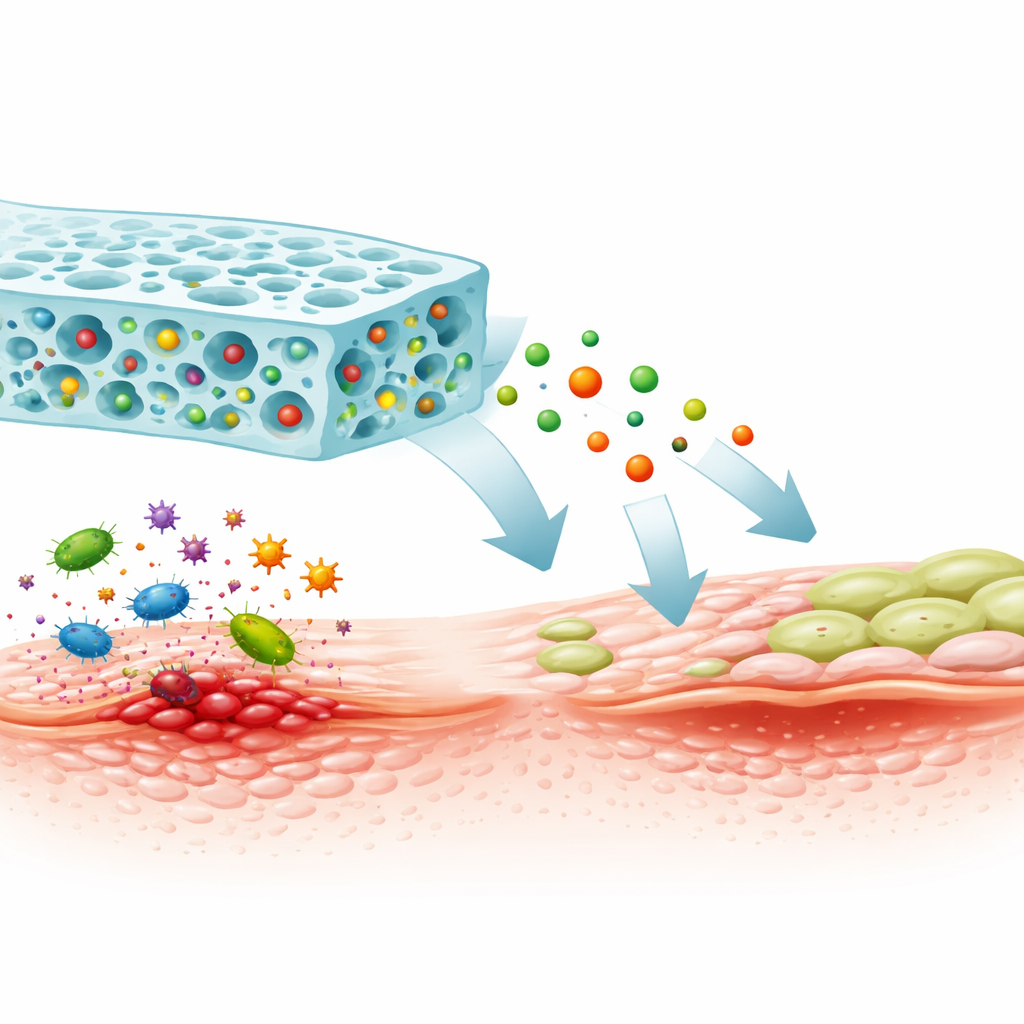
Gentle on skin cells but harsh on germs and inflammation
To ensure safety, the researchers exposed mouse skin cells to liquid that had been in contact with the films. Plain alginate films showed no toxicity, and films with low to moderate levels of oak gall extract kept cell survival above international safety thresholds. Only the highest extract loading began to harm cells, highlighting the importance of dose. At non‑toxic levels, the extract‑loaded films strongly reduced markers of inflammation in immune cells stimulated with bacterial components, cutting nitric oxide production and lowering the activity of key pro‑inflammatory genes. The same films also showed broad antibacterial power, wiping out more than 99.99% of both Gram‑positive and Gram‑negative bacteria commonly found in wounds, and maintained this effect even after heat and freeze–thaw stress, reflecting good stability during storage and handling.
What this could mean for future wound care
By combining a well‑known, biocompatible seaweed gel with a traditional herbal extract, the researchers built a single dressing that can absorb fluid, keep a moist and visible wound surface, and actively fight oxidative damage, inflammation, and infection. In practical terms, this kind of film could shorten healing time, lower the need for frequent dressing changes, and reduce reliance on antibiotics or silver‑based products. While further animal and clinical studies are still needed, the work points toward affordable, naturally derived bandages that not only cover chronic wounds but also help the body move back into a healthy healing rhythm.
Citation: Wunnoo, S., Wae-Asae, P., Kaewrak, S. et al. Internal gelation-based alginate hydrogel films incorporating Quercus infectoria gall extract for multifunctional wound dressing applications. Sci Rep 16, 12501 (2026). https://doi.org/10.1038/s41598-026-42432-z
Keywords: wound dressing, alginate hydrogel, oak gall extract, antibacterial, antioxidant