Clear Sky Science · en
Mitophagy-driven prognosis in pediatric acute myeloid leukemia: a new frontier
Why Cleaning Up Cell Batteries Matters for Sick Kids
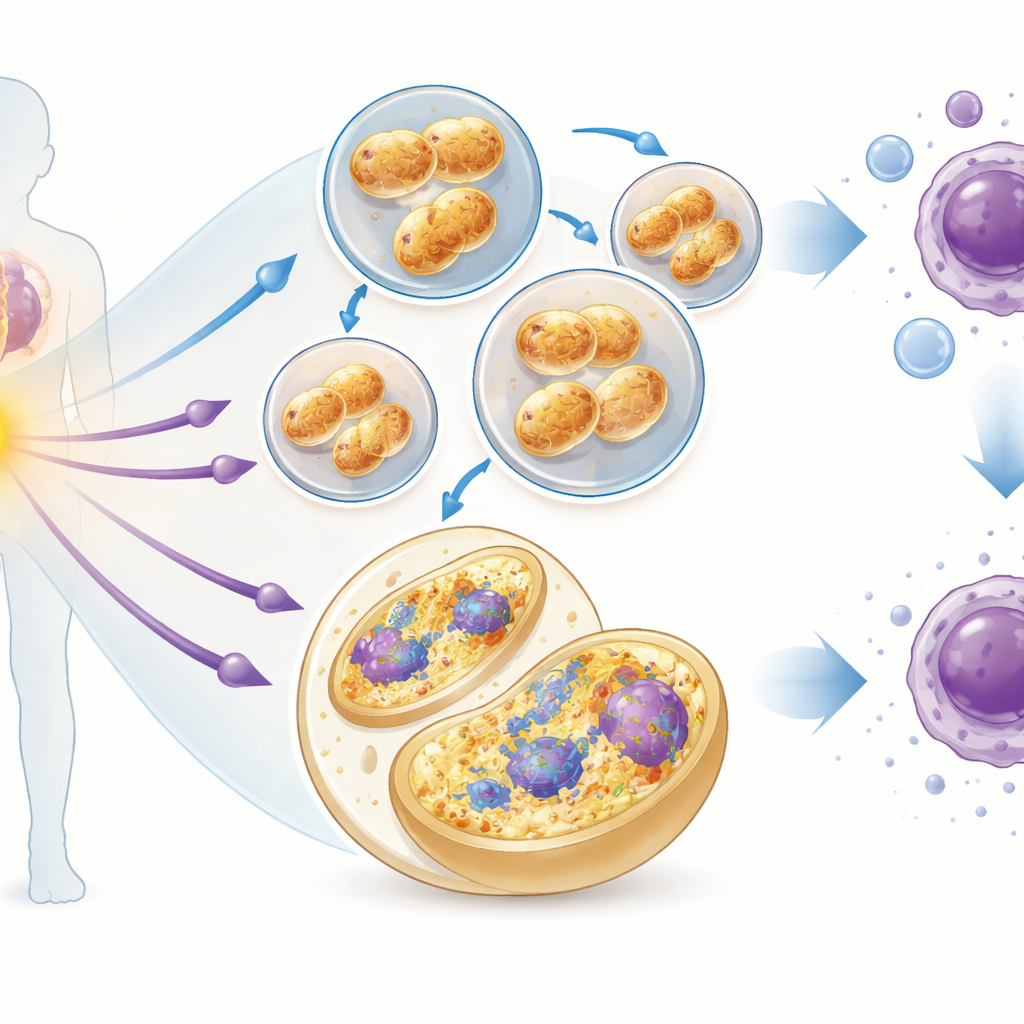
When a child is diagnosed with acute myeloid leukemia (AML), a fast-growing blood cancer, doctors can often get the disease into remission—but many children still see their cancer return. This study asks a surprisingly simple question with big implications: do leukemia cells in children depend on an internal clean‑up system that recycles worn‑out “cell batteries,” and could that dependence help predict which patients are at higher risk of relapse?
The Cell’s Recycling Service
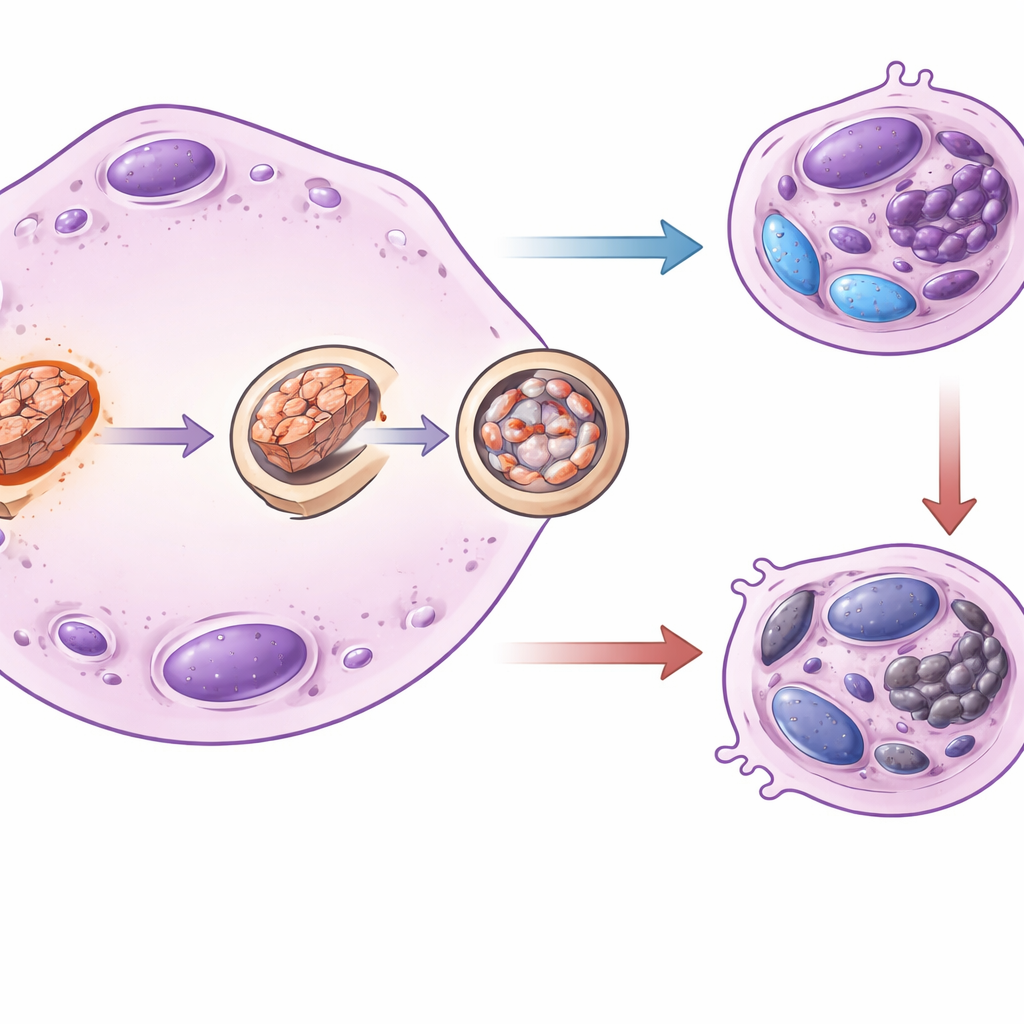
Every cell in our body is packed with tiny structures called mitochondria that act like batteries, supplying energy. Over time, these batteries can become damaged and leak harmful by‑products. To prevent this, cells use a specialized recycling process that wraps up faulty mitochondria and breaks them down—a process known as mitophagy. Cancer stem cells in AML, which are thought to drive the disease and its return after treatment, are especially reliant on mitochondria to power their growth. That makes their recycling machinery, including mitophagy, a potential weak spot and a clue to how aggressive a child’s leukemia might be.
Taking a Closer Look at Children’s Leukemia Cells
The research team studied bone marrow samples from 90 children and teenagers with newly diagnosed AML and compared them to 30 children with other cancers whose bone marrow was free of leukemia. They focused on nine key genes that help run the mitophagy system—covering both the “tag‑and‑collect” route that marks damaged mitochondria for removal and the “built‑in sensor” route that constantly monitors mitochondrial health. Using a sensitive molecular test, they measured how active each of these genes was in leukemia cells versus healthy controls. They also analyzed an independent, larger public dataset of younger AML patients to see if the same patterns appeared elsewhere.
Recycling Machinery Turned Up to High
Across the board, all nine mitophagy‑related genes were switched on more strongly in children’s AML samples than in healthy bone marrow. This broad increase showed up not only in the local patient group but also in the external dataset, and it appeared across different genetic types of AML. In other words, regardless of the specific DNA changes that started the leukemia, the cells tended to share one feature: an amped‑up system for clearing and renewing their mitochondria. This suggests that aggressive leukemia cells in children may be wired from the start to manage high energy demands and avoid damage by leaning heavily on mitophagy.
A Single Gene that Signals Higher Relapse Risk
To find out whether this boosted recycling machinery affected patients’ futures, the researchers divided children into groups with higher or lower activity for each mitophagy gene and tracked how long they stayed in remission and alive after standard chemotherapy. Most of the genes did not show a clear link to survival. One stood out: a gene called FUNDC1, which helps guide mitochondria into the recycling pathway. Children whose leukemia cells had especially high FUNDC1 activity were about twice as likely to see their disease return sooner than those with lower levels, even though overall survival was not significantly different during the follow‑up period. This signal held up even when the team looked at different genetic flavors of AML, although small subgroup sizes limited firm conclusions.
What This Means for Future Treatments
For families facing pediatric AML, the take‑home message is that many children’s leukemia cells appear to lean heavily on an internal battery‑cleaning system, and in particular on the FUNDC1‑guided pathway. High activity of this gene may help identify patients whose disease is more likely to come back after standard treatment. While this study measured gene activity rather than directly blocking the process, it points to mitophagy—in effect, the cancer cell’s own housekeeping crew—as a promising new target. In the future, drugs that safely disrupt this recycling in leukemia cells, while sparing healthy cells, could improve outcomes for children with AML and add a new tool to doctors’ treatment arsenal.
Citation: Kumar, R.R., Sharma, U., Shree, A. et al. Mitophagy-driven prognosis in pediatric acute myeloid leukemia: a new frontier. Sci Rep 16, 11920 (2026). https://doi.org/10.1038/s41598-026-42399-x
Keywords: pediatric acute myeloid leukemia, mitophagy, mitochondria, FUNDC1, cancer prognosis