Clear Sky Science · en
A qualitative study exploring critical care survivors’ and their clinicians’ shared experiences of navigating a fragmented care system
Why life after intensive care matters
More people than ever are surviving stays in intensive care units, but leaving the hospital is often just the start of a long and confusing journey. Many former patients struggle with weakness, memory problems, anxiety, and changes in their daily lives for months or years. This study asks a simple but important question: when critically ill patients try to rebuild their lives, do they and their clinicians experience the same problems in the same way? By listening closely to both groups, the researchers uncover how gaps in the health and social care system can turn recovery into a second ordeal.
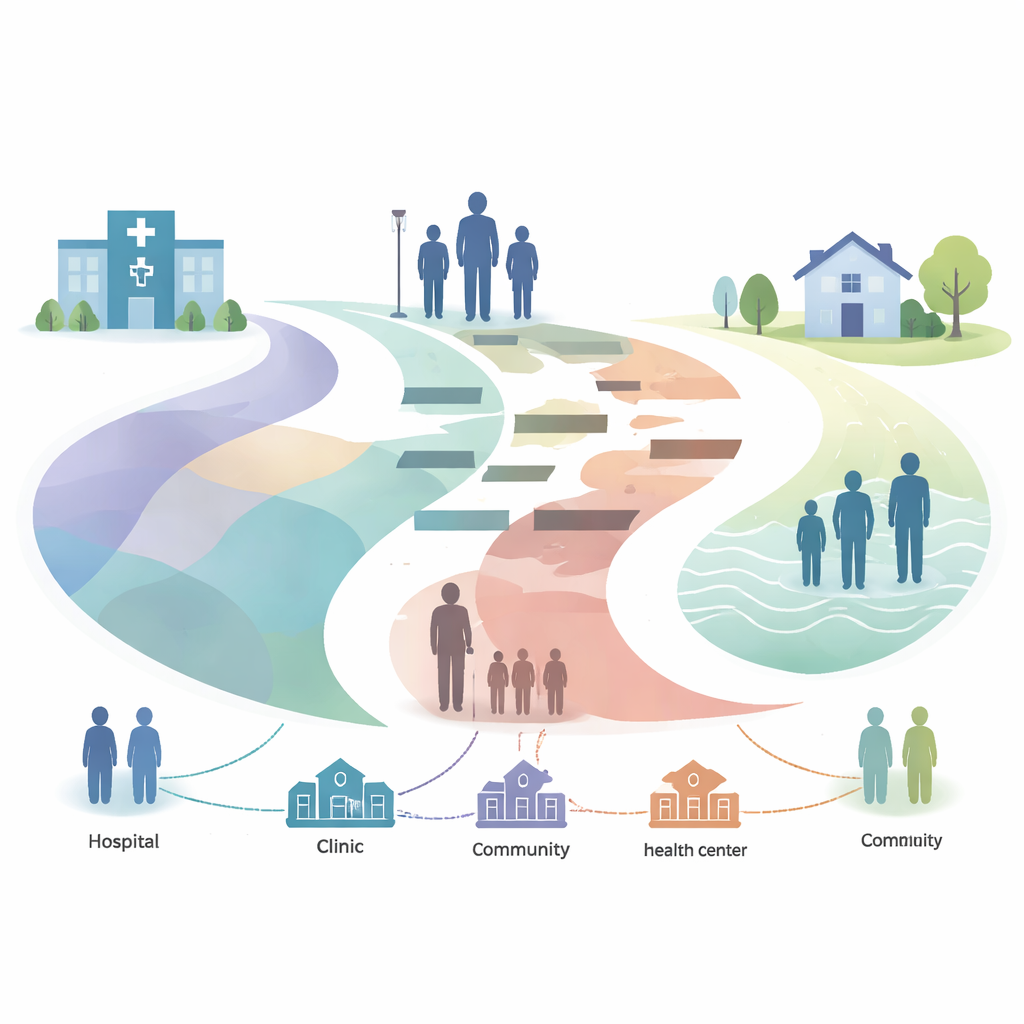
Life moves slowly after a major health shock
The researchers interviewed sixteen adults who had recently survived a critical illness and seven clinicians who cared for them in a follow-up clinic at a large London hospital. Patients described recovery as far slower and harder than they had expected. Everyday activities took two or three times longer than before, and even simple tasks like walking to the bathroom or climbing a few stairs could feel like major achievements. Yet many survivors said that seeing even small improvements kept them going. Rather than aiming to be “back to normal” straight away, they began to measure progress in tiny but meaningful gains—one more step, one less pause, a little less fatigue.
Finding a new version of normal
Over time, many survivors realized that they might never return to their old lives in exactly the same way. Some had lasting physical limitations, such as weakness or nerve damage, that made previous jobs or hobbies feel too risky or impossible. Others had to renegotiate their roles at home, such as parenting or work responsibilities, while still feeling fragile. This adjustment to a “new normal” could bring acceptance, but it also stirred anxiety and sadness, especially when friends, employers, or family expected a quicker return to the old self. Without clear guidance, patients were often left to decide alone which changes were temporary and which were permanent.
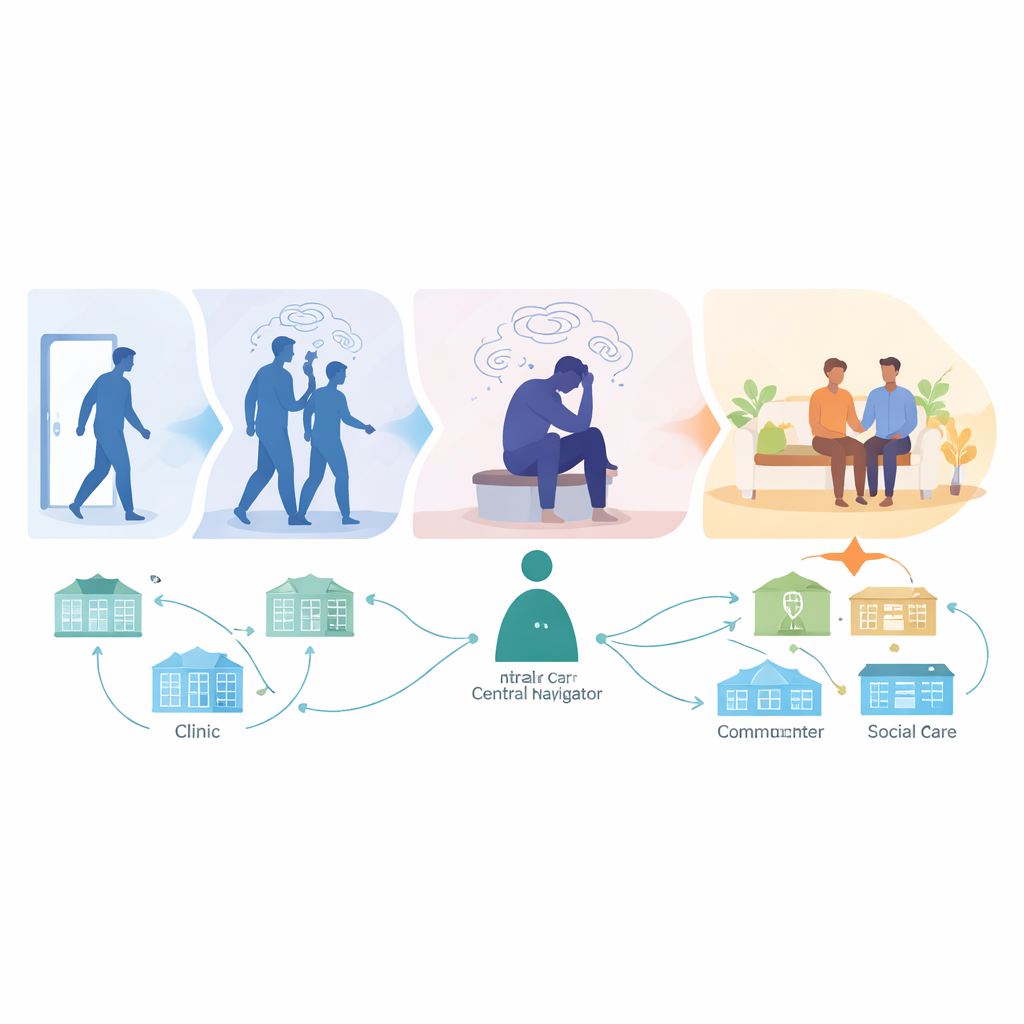
Support helps, but the system feels broken
When survivors did reach the right services—such as physiotherapists, community nurses, or psychological support—they often felt more confident and independent. Some devised their own tricks and adaptations to manage memory lapses, pain, or fatigue. But many also described a different side of the story: missed referrals, long waits, and professionals who seemed unaware of what a critical care stay really meant. Patients felt exhausted by the need to chase appointments, repeat their history, and coordinate information across hospitals, general practitioners, and community teams. At a time when they were still weak and emotionally shaken, they felt they had somehow become the person “in overall charge” of a complex system they did not understand.
Clinicians see the same problems from another angle
The clinicians in this study recognized many of the same themes, but interpreted them differently. They described recovery after critical illness as highly unpredictable, with no simple way to forecast who would bounce back quickly and who would struggle. In the intensive care unit, the focus is on survival and physical stability; only months later, in follow-up clinics, do hidden problems with mood, memory, and trauma become fully visible. Clinicians worried about patients “falling through the cracks” between hospital and community services, but also felt constrained by rigid referral pathways, limited resources, and unclear responsibility for long-term coordination. They also highlighted the emotional toll on family members, who often remembered the crisis far more vividly than the patient.
What this means for people rebuilding their lives
By comparing what survivors and clinicians said, the study shows that both groups are grappling with the same trio of issues—uncertainty about recovery, fragmented services, and heavy psychological strain—but at different times and from different viewpoints. Survivors feel abandoned in the moment when they most need guidance; clinicians see a system that makes it hard to offer that support in a timely, joined-up way. The authors argue that better follow-up after critical illness cannot be solved by a single clinic visit or leaflet. Instead, health and social care services need to be linked more tightly, with clear plans, earlier conversations about realistic recovery, and dedicated roles to help patients and families navigate the maze. In plain terms, surviving intensive care should not mean learning to recover alone.
Citation: Nazeer, S., Mathieson, G., Puthucheary, Z. et al. A qualitative study exploring critical care survivors’ and their clinicians’ shared experiences of navigating a fragmented care system. Sci Rep 16, 12127 (2026). https://doi.org/10.1038/s41598-026-42385-3
Keywords: critical care recovery, intensive care survivors, fragmented healthcare, post-ICU support, patient–clinician perspectives