Clear Sky Science · en
Environmental education as a means of combating growing environmental pollution: an optimized- explainable artificial intelligence (XAI) approach
Why teaching the environment matters
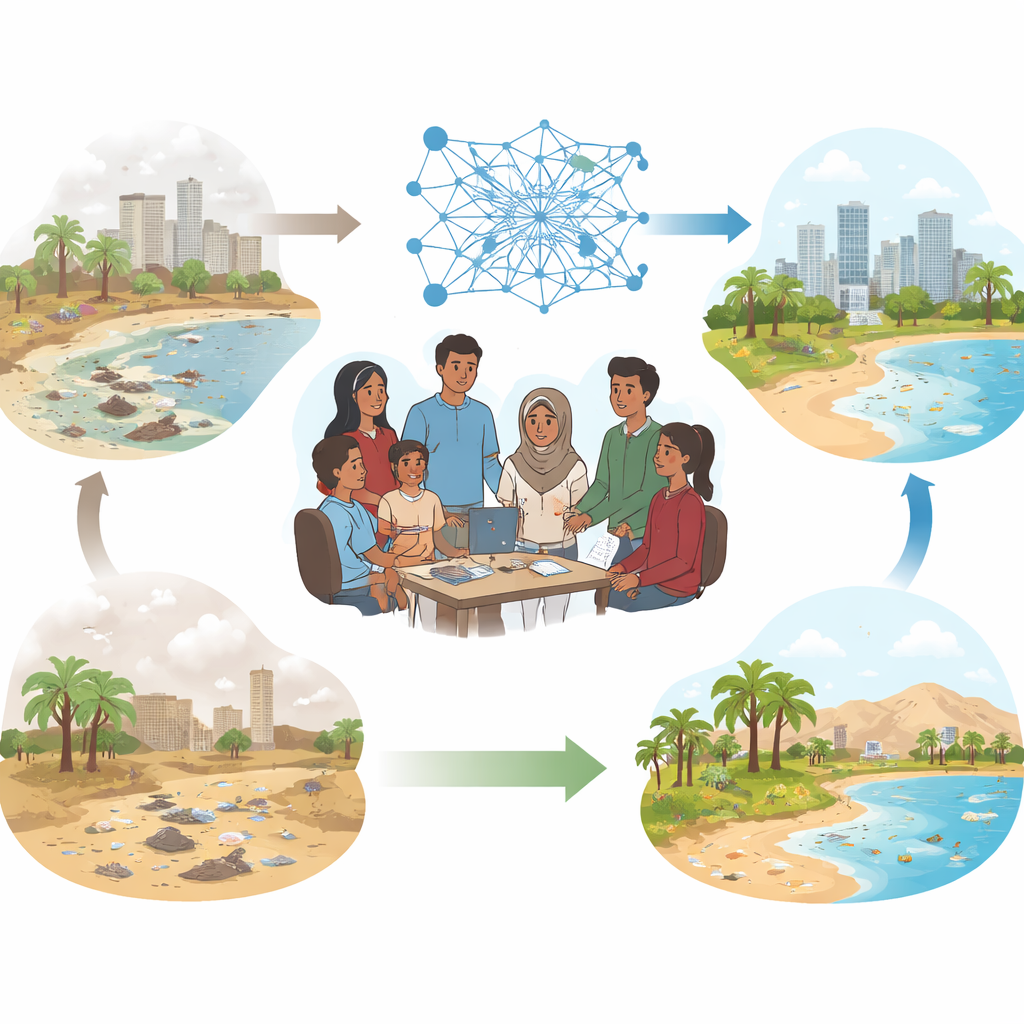
Across the world, dirty air, unsafe water, and mounting waste are harming people and nature. Libya faces all of these problems at once, from polluted coasts to oil‑scarred deserts. This study asks a simple but powerful question: can better environmental education help turn the tide—and can modern artificial intelligence (AI) show us which kinds of teaching really make a difference?
Pollution pressures close to home
Libya’s environment is under strain from many sides. Untreated sewage and industrial effluents taint rivers, groundwater, and the sea. Oil and gas activities, cement plants, and traffic worsen air quality in cities, while poor waste collection leaves rubbish to be dumped and burned in open areas. These trends threaten marine life, drinking water, and public health, contributing to respiratory disease, cancers, and waterborne infections. Against this backdrop, the country has begun weaving environmental topics into school and university programs, hoping that informed citizens will push for cleaner practices and policies.
Listening to the next generation
The researchers focused on students in environmental science and education programs at two Libyan universities. More than 400 students completed an online questionnaire that asked about their background, how worried they are about issues like air and water pollution or climate change, what they actually do in daily life—such as recycling, joining clean‑up activities, or buying products with less packaging—and how much they believe they know about pollution, its causes, and its solutions. Most students reported high concern about air and water quality and climate change, and many said they already engage in pro‑environmental habits such as separating recyclables or participating in clean‑up events. Self‑reported knowledge was also strong: large majorities said they understood major pollutants, main causes of pollution, and possible remedies.
Using smart tools to find what really counts
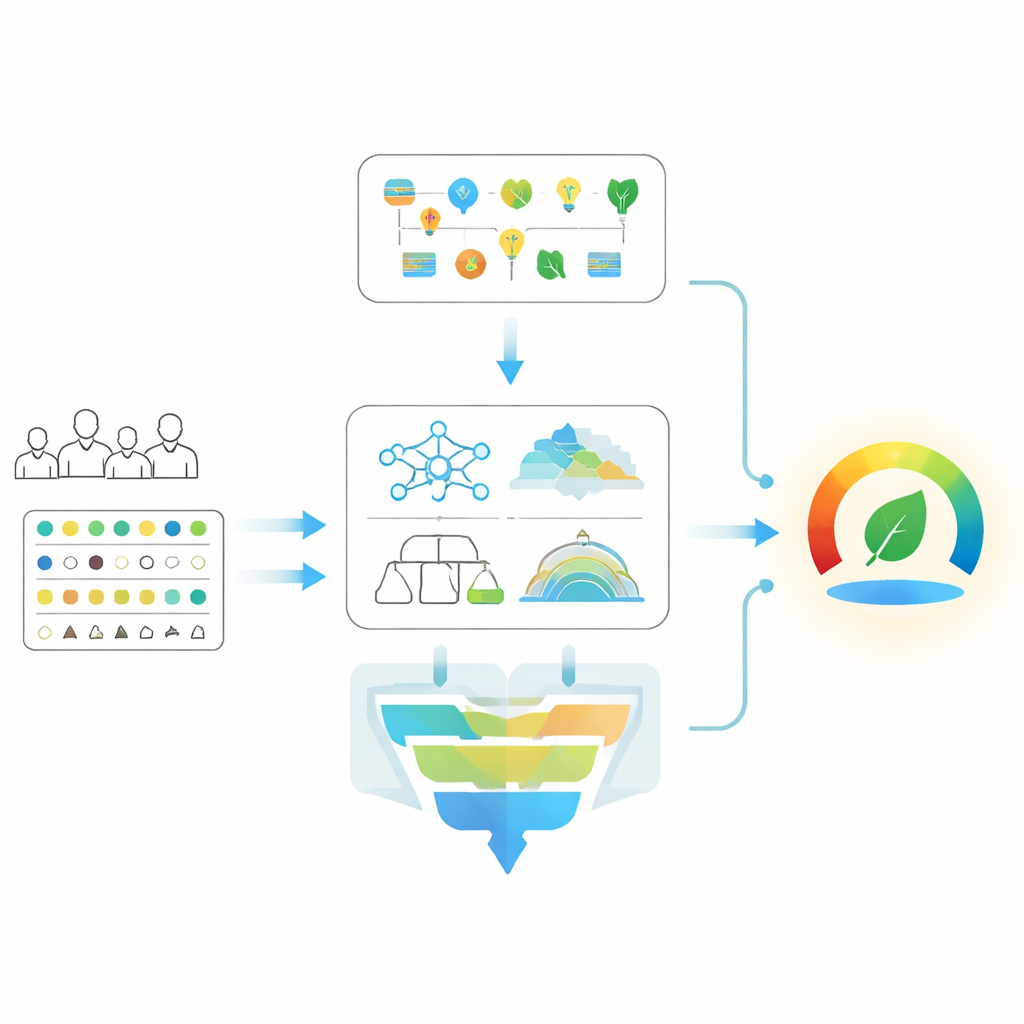
To go beyond simple averages, the team turned to advanced AI methods. They treated students’ knowledge of solutions to environmental pollution as the main outcome they wanted to predict, and all other survey answers—concern, willingness to act, and reported behaviors—as possible influences. They built several computer models, including neural networks, boosted decision trees, and a method called Gaussian process regression. They then used a technique known as Bayesian optimization to automatically fine‑tune these models so that their predictions were as accurate as possible. On top of that, they applied an “explainable AI” approach, which assigns each survey factor a contribution score, showing how strongly it helps the model predict a student’s understanding of pollution solutions.
What shapes students’ environmental understanding
The explainable AI analysis revealed that not all questions were equally important. The strongest links to knowing how to tackle pollution came from a few key factors: whether students knew the main causes of pollution and the major pollutants; whether they routinely used separate containers for recyclables; whether they were willing to reduce their own waste; and whether they were ready to collaborate with groups dedicated to environmental protection. In other words, both concrete knowledge and hands‑on, community‑oriented habits appear central to deeper understanding. When the models were rebuilt using only this small set of influential factors, they performed as well as or better than when fed the full survey—especially the optimized Gaussian process regression model, which predicted students’ solutions‑knowledge scores with very high accuracy.
From data to action for a cleaner future
For non‑specialists, the main message is that education does not help the environment simply by adding more facts to textbooks. What seems to matter most is teaching that connects real local problems to everyday actions and collective efforts, and that builds clear understanding of what causes pollution in the first place. By using explainable AI, this study shows how schools, universities, and policymakers can pinpoint which attitudes and behaviors to encourage if they want students to become capable stewards of their environment. While the work is based on Libyan universities and relies on self‑reported survey data, the approach offers a blueprint: combine thoughtful environmental education with transparent AI analysis to design smarter, more targeted programs that help turn concern into effective action.
Citation: Hamad, O.A.M., Baysen, E. & Usman, A.G. Environmental education as a means of combating growing environmental pollution: an optimized- explainable artificial intelligence (XAI) approach. Sci Rep 16, 12647 (2026). https://doi.org/10.1038/s41598-026-42335-z
Keywords: environmental education, pollution, Libya, artificial intelligence, student behavior