Clear Sky Science · en
Synergistic anticancer activity of frankincense aqueous extract with sorafenib in HepG2 cells and its UHPLC–QTOF–MS/MS-based metabolomic profiling
Ancient Resin Meets Modern Cancer Medicine
Liver cancer is one of the deadliest cancers, and patients with advanced disease have very few treatment options. The main drug in use, sorafenib, can slow the disease but often causes difficult side effects and eventually stops working. This study explores an intriguing idea: can frankincense—an aromatic tree resin used for centuries in traditional medicine—help sorafenib work better and more safely against liver cancer cells in the lab?
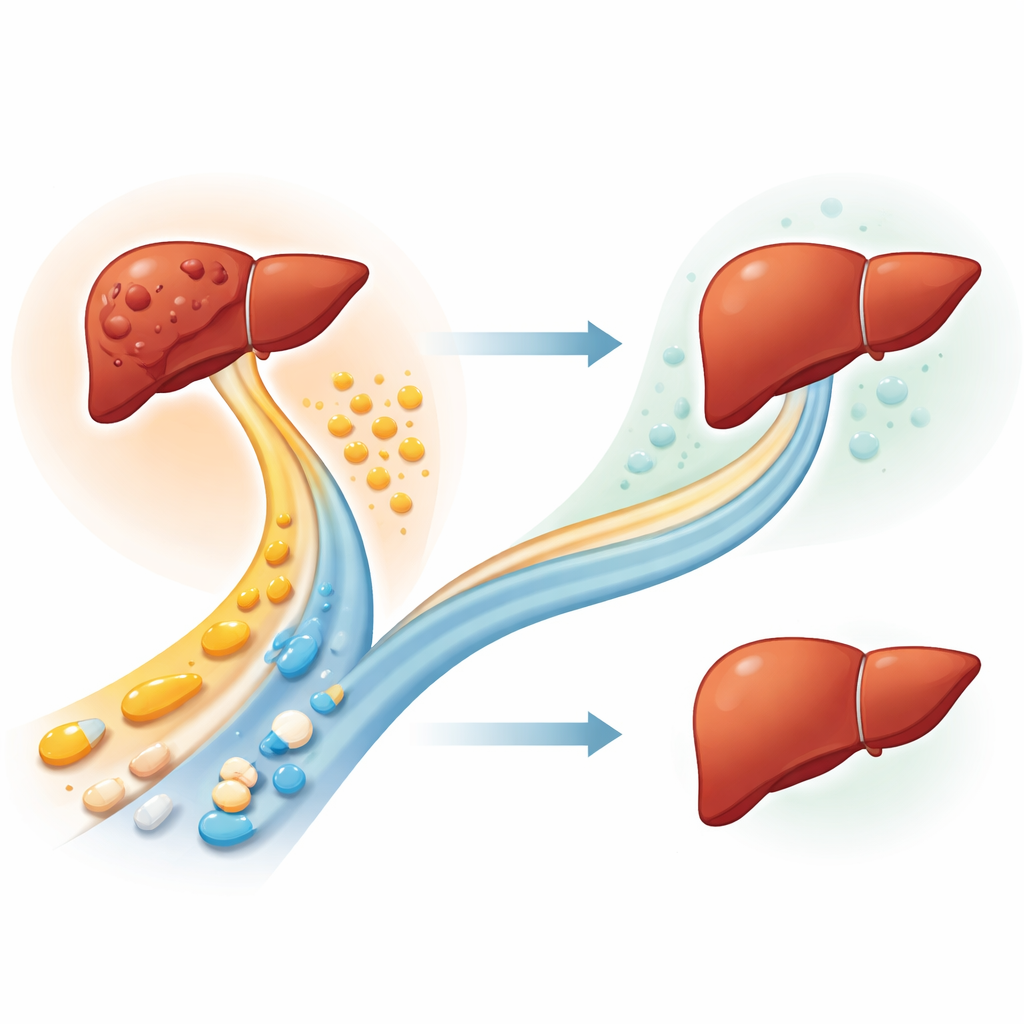
Why Liver Cancer Needs New Help
Most people with liver cancer are diagnosed at a late stage, when surgery and local treatments are no longer possible. Sorafenib, a targeted pill, has become the standard therapy in these advanced cases, but its benefit in survival is modest and resistance commonly develops. Many research groups are therefore testing plant-based compounds as partners for existing drugs. Natural products often act on several disease pathways at once and may allow lower doses of standard chemotherapy, potentially reducing toxicity while keeping or even boosting the anticancer effect.
Frankincense Under the Microscope
The scientists prepared a simple water decoction of frankincense resin, similar in spirit to a traditional herbal brew, and then used advanced chemical analysis to map its contents. They detected a rich mixture of molecules called terpenoids, especially a family known as boswellic acids that have been linked to anti-inflammatory and anticancer actions. Using human liver cancer cells (HepG2) and a normal mouse liver cell line for comparison, they tested how different doses of frankincense extract and sorafenib affected cell survival over several days.
Stronger Together Than Alone
Both frankincense extract and sorafenib on their own killed liver cancer cells in a dose-dependent manner, but the real interest lay in what happened when they were combined. When the two were given together at a fixed ratio, the cancer cells became much more sensitive: the amount of sorafenib needed to kill half the cancer cells dropped by more than half, and a similar dose reduction occurred for the frankincense extract. At the same time, normal liver cells were less affected, suggesting that the combination is more selective for cancer cells. Mathematical analysis of the dose–response curves confirmed that the two agents act synergistically rather than merely adding their effects.
What Happens Inside the Cancer Cells
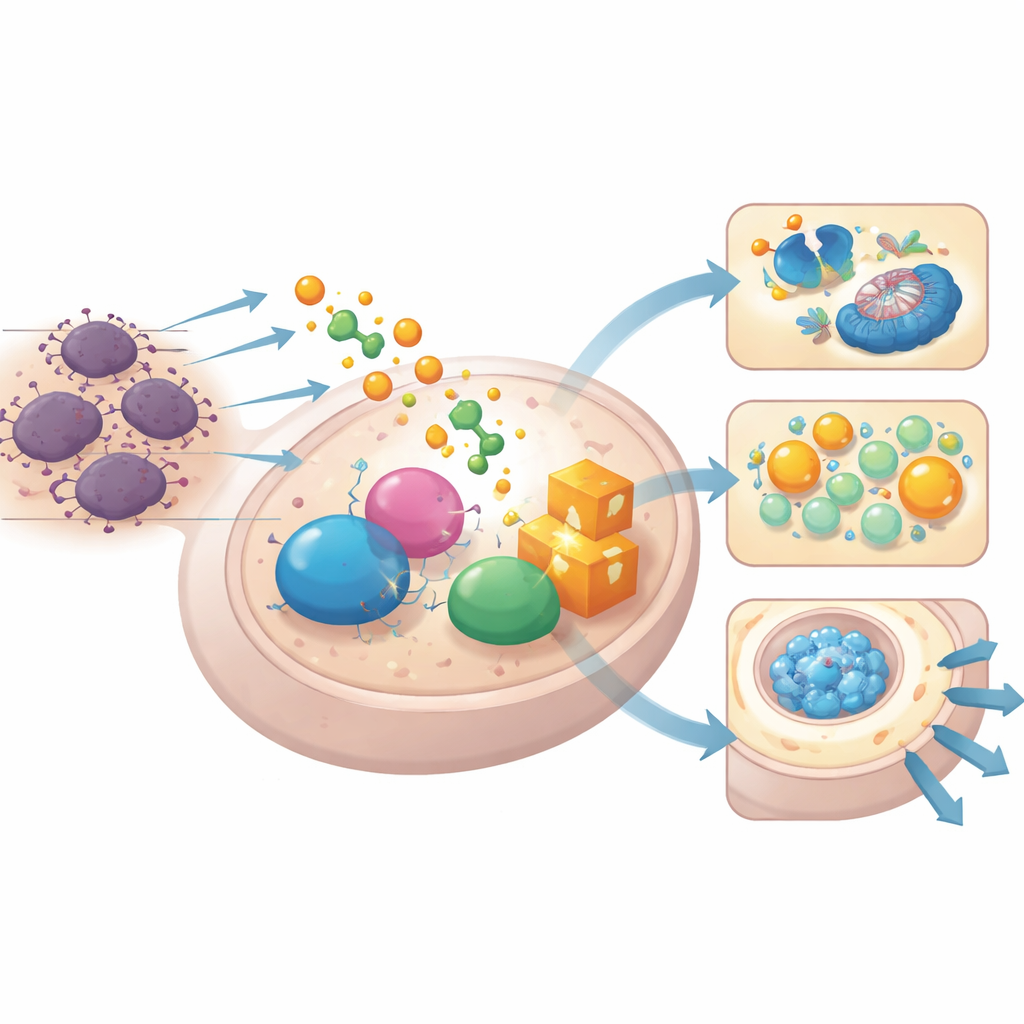
To understand how this partnership works, the team examined several key processes inside the liver cancer cells. They looked at how the cells move through their life cycle, how many undergo programmed death, and whether a self-cleaning pathway called autophagy is triggered. Frankincense alone mainly slowed the cells by arresting them early in their growth cycle, while sorafenib alone pushed more cells toward death. Together, they caused cells to accumulate at a vulnerable division stage and increased overall cell death. The combination also activated autophagy much more strongly than either treatment alone and sharply reduced the ability of cancer cells to migrate into artificial “wounds,” a lab stand-in for invasion and spread. Computer docking studies further suggested that frankincense molecules can fit into critical control proteins involved in cell death and autophagy, helping explain the observed synergy.
From Petri Dish to Possible Therapy
In plain terms, this work shows that a water-based frankincense extract can make an existing liver cancer drug hit harder while sparing more normal cells, at least in a controlled laboratory setting. The combined treatment slows cancer cell growth, nudges them toward various forms of cell death, and hampers their ability to move—features that are all desirable in a cancer therapy. Because the experiments were conducted in a single cell model, the findings are still an early step. Nevertheless, they suggest that carefully characterized botanical extracts like frankincense could one day be used alongside standard drugs such as sorafenib to improve treatment of liver cancer, if future studies in additional cell lines and animal models, and eventually clinical trials, confirm these promising results.
Citation: Ragab, W., Mahmoud, K., El-Din El-Hawary, S.S. et al. Synergistic anticancer activity of frankincense aqueous extract with sorafenib in HepG2 cells and its UHPLC–QTOF–MS/MS-based metabolomic profiling. Sci Rep 16, 10834 (2026). https://doi.org/10.1038/s41598-026-42328-y
Keywords: liver cancer, frankincense, sorafenib, combination therapy, terpenoids