Clear Sky Science · en
Pseudohypoxia induced by iron chelators preserves working memory performance in aged mice
Why Protecting an Aging Brain Matters
As people live longer, many worry less about lifespan and more about “healthspan” – especially keeping their memory sharp. One key brain region for memory, the hippocampus, naturally shrinks with age, and once its nerve cells are lost they are hard to replace. This study in mice asks a daring question: can we gently trick the body into a “low-oxygen”‑like state using common chemistry, and in doing so rally the immune system to help preserve memory in an aging brain without causing harmful inflammation?
A Clever Way to Mimic Low Oxygen
Our cells rely on a molecular switch called hypoxia‑inducible factor (HIF) to sense when oxygen is scarce. Under normal oxygen levels, HIF is quickly broken down by enzymes that require both oxygen and iron. If iron is removed, those enzymes slow, and HIF stays active even though oxygen is plentiful – a state the authors call “pseudohypoxia.” The team previously showed that iron‑binding compounds, or iron chelators, could trigger this state and strengthen immune responses against tumors. Here, they asked whether the same trick, applied to otherwise healthy but aged mice, might boost systemic immunity in a way that encourages brain repair and protects memory.
Testing Memory in Older Mice
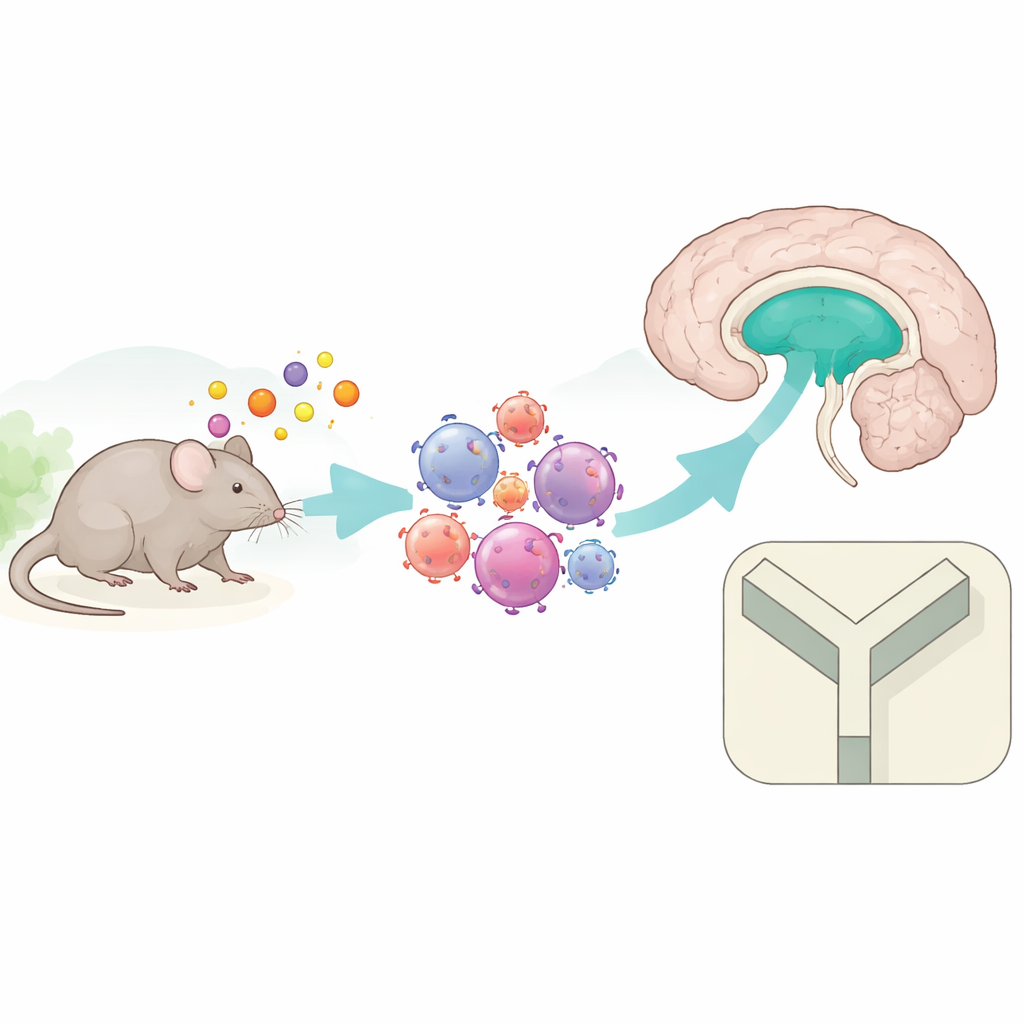
The researchers used middle‑aged to older mice, roughly equivalent to late‑middle age in humans. Over eight weeks, the animals received one of two iron chelators by mouth – a water‑soluble compound called Super Polyphenol 10 (SP10) or the drug Roxadustat – or a control solution. Throughout the study, the mice performed a Y‑maze test, which measures working memory by tracking how consistently they explore all three arms of a maze in sequence. Normally, older mice gradually lose this alternation ability. In this experiment, control animals showed the expected drop in performance after eight weeks, while both SP10‑ and Roxadustat‑treated mice maintained their working memory. Importantly, their overall activity levels and anxiety‑like behavior did not change, suggesting the drugs preserved thinking ability rather than simply making the mice more active or less fearful.
Body’s Defenders and Brain Size Respond
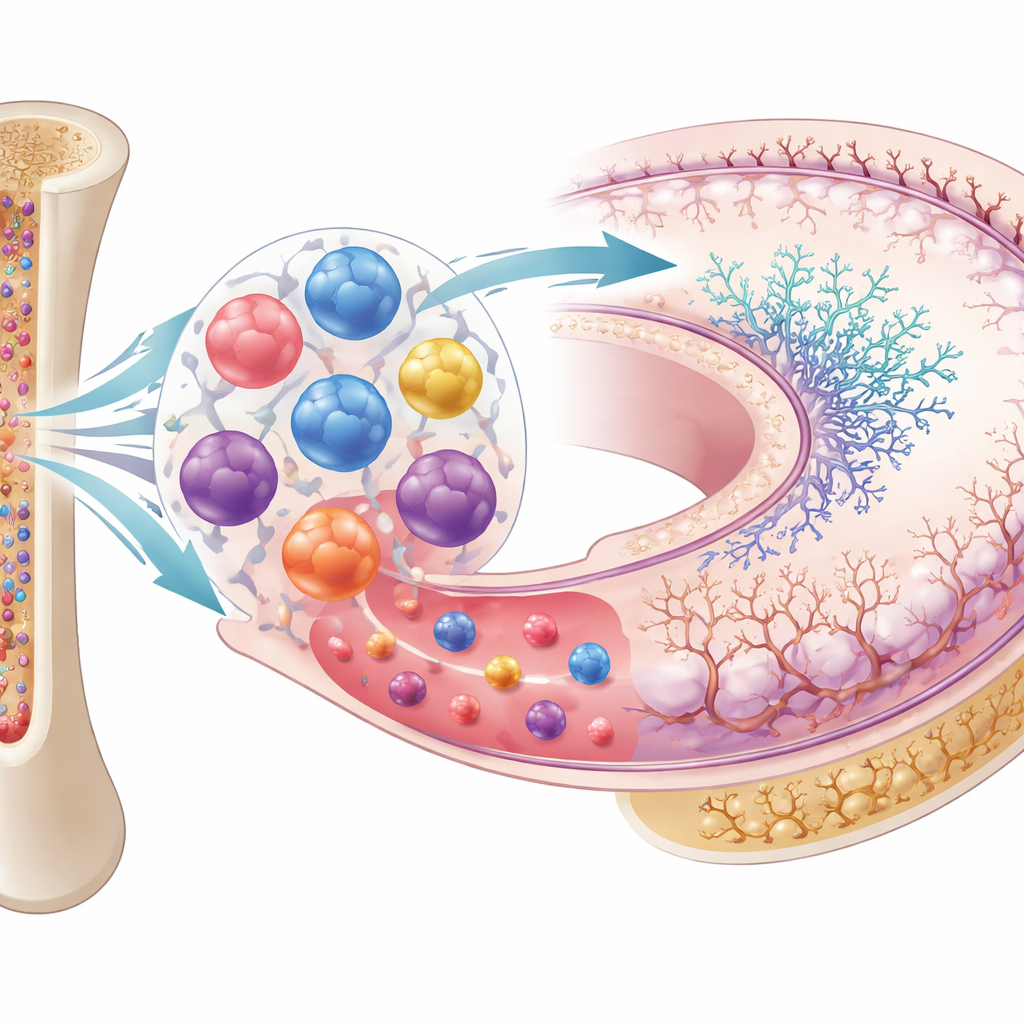
At the end of the treatment period, blood tests and brain scans revealed how the body had responded. Both iron chelators roughly doubled white blood cell counts compared with controls, while red blood cells, hemoglobin, and platelets remained unchanged. This pattern points to a targeted stimulation of immune cells rather than broad bone‑marrow overdrive. Magnetic resonance imaging of the brain showed that the hippocampal area was larger in treated mice than in untreated ones. Although the study did not measure full three‑dimensional volume, earlier work suggests that the area used here closely tracks overall hippocampal size. Together, these findings tie preserved memory performance to both a livelier immune system and a structurally healthier memory center.
Hints of Brain Repair Without Inflammation
To peek inside the hippocampus, the team measured several proteins linked to nerve‑cell growth, wiring, and flexibility. In mice given SP10, there were trends toward higher levels of certain “pro‑plasticity” markers, including modified forms of Tau and JNK, molecules that help remodel the internal skeleton of nerve fibers and guide growing connections. They also saw hints that a protein associated with new, immature neurons (Doublecortin, or DCX) was more abundant. While these changes did not always reach strict statistical significance – likely because the number of animals per group was modest – the effect sizes were large enough to suggest real biological shifts. Crucially, proteins that flag inflammation in brain support cells did not increase, nor did the sticky beta‑amyloid fragments tied to Alzheimer’s disease. In other words, the brain appeared to move toward a more regenerative state without showing signs of damage or swelling.
What This Could Mean for Healthy Aging
In plain terms, the study suggests that safely imitating a low‑oxygen signal through iron‑binding compounds can help older mice keep their working memory, enlarge a key memory region of the brain, and nudge nerve cells toward repair – all while avoiding obvious inflammation. SP10, in particular, seemed to push several repair‑related pathways at once. The work does not yet prove that the same approach will work in humans, nor does it fully explain how boosted white blood cells and subtle brain changes combine to support memory. But it opens an intriguing avenue: instead of directly tinkering inside the brain, we might be able to engage the body’s own oxygen‑sensing and immune systems to sustain cognitive function as we age.
Citation: Ohara, T., Iwasaki, Y., Kasai, T. et al. Pseudohypoxia induced by iron chelators preserves working memory performance in aged mice. Sci Rep 16, 11550 (2026). https://doi.org/10.1038/s41598-026-42296-3
Keywords: brain aging, working memory, iron chelation, hippocampus, neuroregeneration