Clear Sky Science · en
Long-term respiratory stability of elderly patients recovering from acute respiratory failure and invasive mechanical ventilation: a retrospective cohort study
Why this matters for families and patients
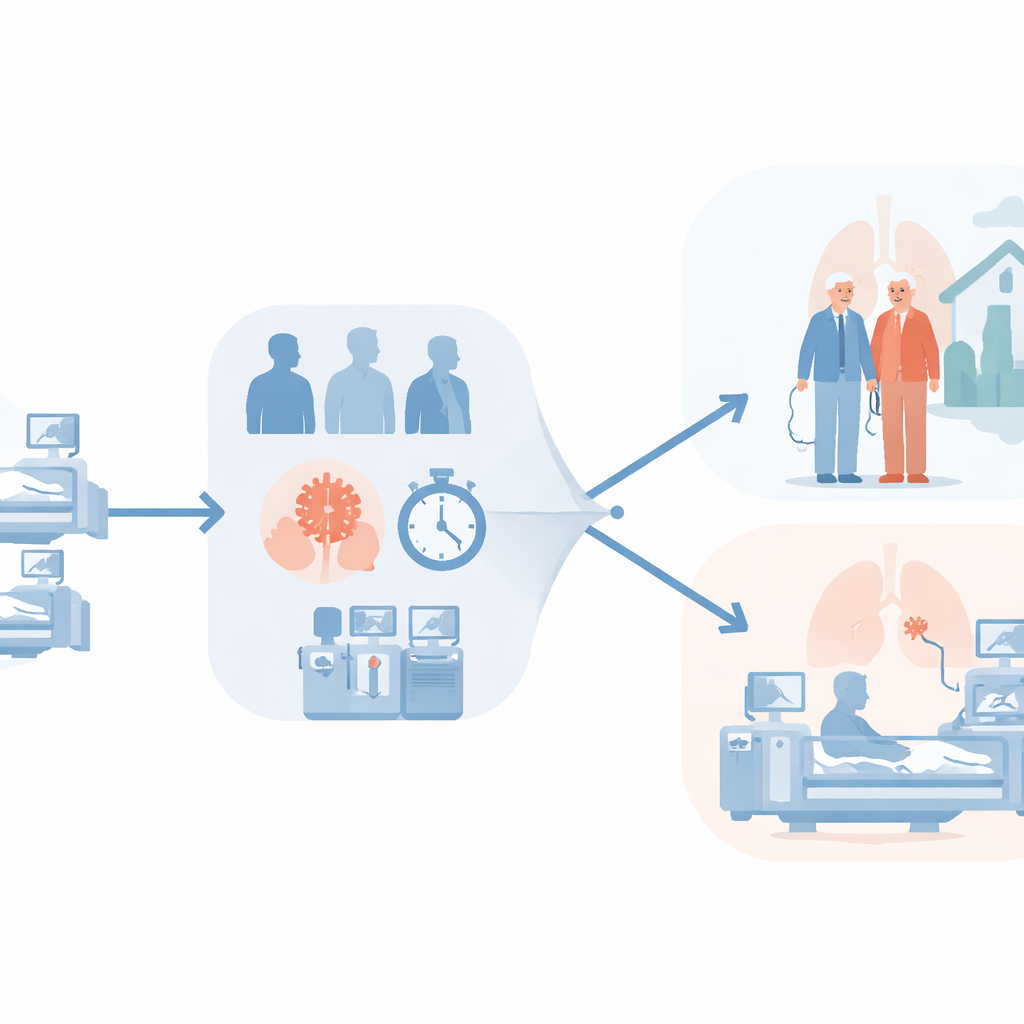
More older adults than ever are spending time in intensive care units, hooked up to breathing machines that keep them alive during severe lung crises. Families often celebrate when a loved one is finally taken off the ventilator and sent home—but what happens in the months and years after that? This study from Taiwan followed more than 1,500 elderly patients who survived acute respiratory failure and came off invasive mechanical ventilation, asking a simple but crucial question: how many stayed alive and breathing on their own, without needing to go back on a machine?
Who was studied and what was tracked
The researchers reviewed ten years of medical records from a large hospital in southern Taiwan. They focused on people aged 65 and older who had life-threatening breathing failure, required a breathing tube and ventilator, were successfully weaned off the machine, and left the hospital alive. Anyone who died in the hospital, was discharged still dependent on a ventilator (even at night), or had no follow-up information was excluded. This left 1,533 patients with an average age of about 79. The main yardstick was not just survival, but survival without needing to go back on a ventilator, either through a tube or a tight-fitting mask.
How the patients fared over time
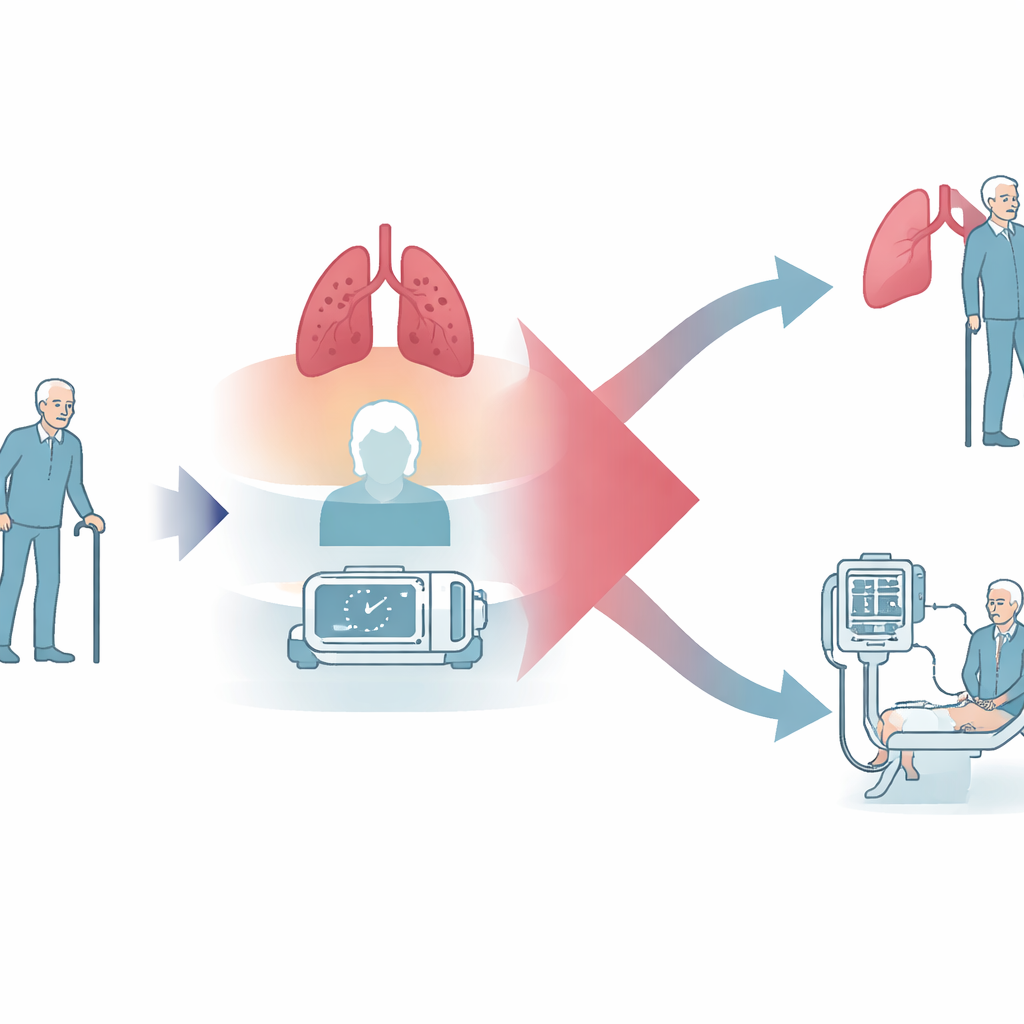
Overall, long-term breathing stability was disappointing. One year after leaving the hospital, only about three out of four patients were still alive and had not needed another round of mechanical ventilation. When deaths and repeat ventilation were counted together as bad outcomes, the typical patient could expect just under four years of life without another serious breathing crisis. Outcomes varied widely: some patients remained stable at home for years, while others ran into trouble much sooner. A worst‑case analysis, which assumed that all patients lost to follow‑up had a bad outcome, suggested that the true one‑year stability rate could be closer to one in two rather than three in four.
The biggest warning signs for trouble
The team looked for features that separated the more stable patients from those who relapsed or died. Three factors clearly stood out. First, pneumonia at the time of the original crisis was strongly linked to worse long‑term breathing stability. Second, very old age—especially 85 and above—was tied to higher risk; in this group, the one‑year rate of staying alive without another ventilator episode fell to about 62%, compared with 80% in those aged 65–74. Third, needing the ventilator for three weeks or longer during the initial hospital stay signaled a rough road ahead. Patients who had none of these three factors and were younger than 85 had an excellent one‑year outlook, with about 90% remaining alive and off the ventilator. In stark contrast, those 85 or older who had pneumonia and required prolonged ventilation had only about a 47% chance of reaching one year without repeat ventilation.
Other clues from hospital course and blood tests
Several other details also helped predict who would do better. Patients who came to intensive care after surgery, those with trauma, and those with kidney problems often had better long‑term breathing stability, likely because their underlying issues were more “fixable” or better supported in the health system. By the time of discharge, people with more normal blood counts—lower white blood cell levels and higher hemoglobin and platelets—tended to have better outcomes, suggesting that leaving the hospital with infections under control and blood counts restored is important. Over the decade studied, outcomes improved, probably reflecting advances in intensive care such as gentler ventilator strategies, earlier rehabilitation, better nutrition, and wider use of palliative care to better match treatment to patient goals.
What this means for decision-making
For families and clinicians, this work underscores that getting off the ventilator and out of the hospital is not the end of the story for frail older adults. Many remain at substantial risk of dying or needing the machine again, especially if they are very old, had pneumonia, or needed the ventilator for weeks. At the same time, the wide range of outcomes—excellent for some, poor for others—shows that long‑term breathing stability is not predetermined. Careful assessment of risk factors, attention to recovery before discharge, and realistic conversations about future crises can help patients and families make more informed choices about intensive treatments, repeat hospitalizations, and end‑of‑life plans.
Citation: Chen, CF., Yin, CH., Lin, WR. et al. Long-term respiratory stability of elderly patients recovering from acute respiratory failure and invasive mechanical ventilation: a retrospective cohort study. Sci Rep 16, 11964 (2026). https://doi.org/10.1038/s41598-026-42264-x
Keywords: elderly intensive care, mechanical ventilation, acute respiratory failure, pneumonia outcomes, long-term survival