Clear Sky Science · en
UGT8/GalCer-dependent resistance of breast cancer cells to drug-induced apoptosis is potentially regulated by the LIM/homeobox protein LHX6
Why this breast cancer study matters
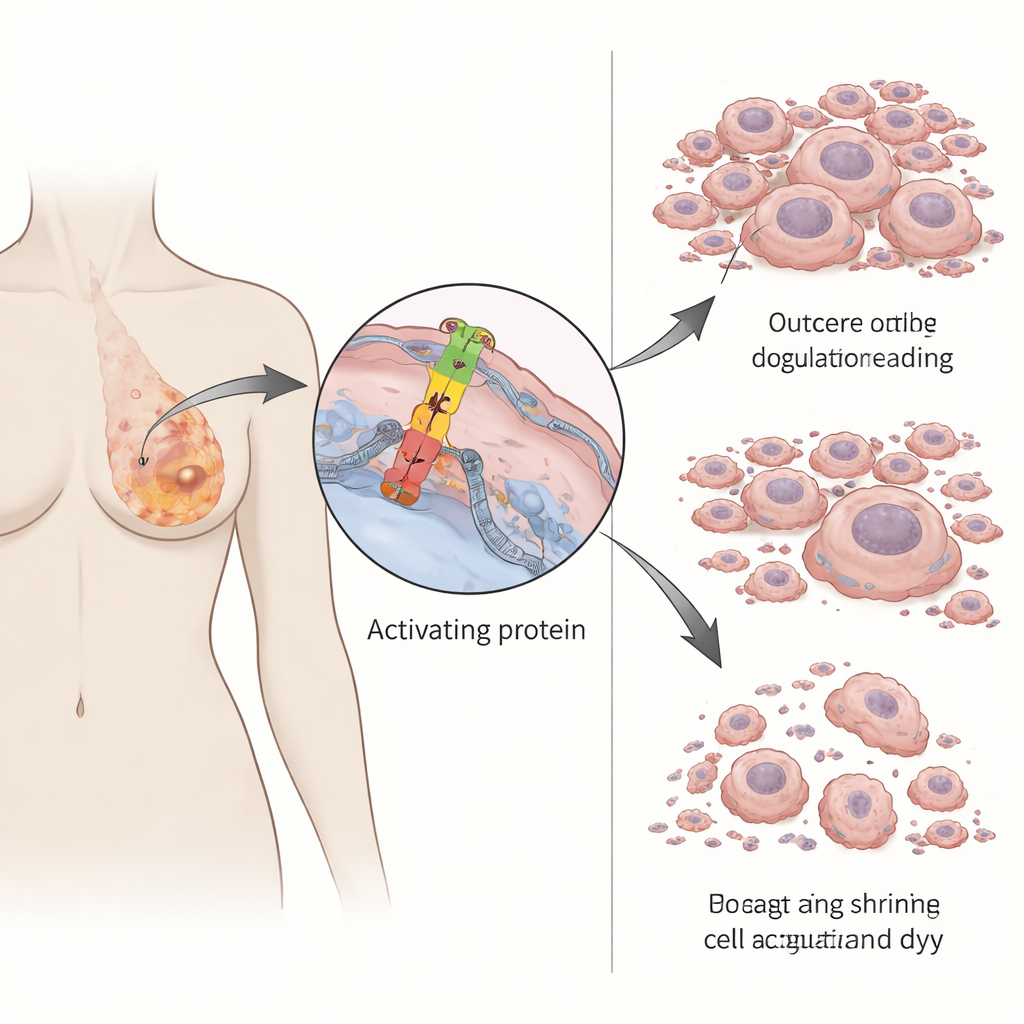
Many breast cancer patients eventually face a frightening problem: their tumors stop responding to chemotherapy. This study digs into the inner workings of aggressive breast cancer cells to ask a simple but vital question: what helps these cells shrug off drugs that are meant to kill them? By tracing a chain from genes to fats in the cell membrane, the researchers highlight a potential new weak spot that doctors might one day target to make stubborn tumors sensitive to treatment again.
A hidden helper that shields cancer cells
Earlier work showed that some aggressive, often triple‑negative, breast cancers produce large amounts of an enzyme called UGT8. This enzyme makes a fatty molecule named galactosylceramide, or GalCer, normally found in nerve insulation. In tumors, GalCer acts very differently: it helps cancer cells survive stressful conditions and resist multiple drugs, including the common chemotherapy agent doxorubicin. Tumors rich in UGT8 and GalCer are more likely to spread to the lungs and are harder to treat. What was not known is why certain breast cancer cells crank up UGT8 in the first place.
Tracking the on–off switch in tumor DNA
To answer this, the team compared three breast cancer cell lines. One, MDA‑MB‑231, represents highly aggressive, so‑called mesenchymal‑like cells and naturally makes a lot of UGT8. The other two, T47D and MCF7, are more typical hormone‑sensitive lines with low UGT8. The scientists cloned the stretch of DNA that sits in front of the UGT8 gene, known as its promoter, and attached it to a light‑producing reporter. When this construct was put into the cells, the aggressive line lit up far more strongly, proving that UGT8 is controlled mainly at the level of gene switching rather than by later steps in the cell. By cutting this promoter into shorter pieces, they pinpointed a critical zone, called the UGT8 response element, where powerful “volume knobs” for the gene must reside.
Finding the master switch protein
Next, the researchers asked which proteins were gripping this crucial DNA region inside aggressive cells. Using a gel‑based method that shows DNA–protein binding, they found that nuclear proteins from MDA‑MB‑231, but not from the other cell lines, latched onto several sub‑fragments of the response element. Computer searches suggested several possible gene‑control proteins, but only one, called LHX6, stood out: its gene activity and protein levels were much higher in the aggressive cells. Detailed tests showed that LHX6 recognizes two short DNA motifs in the UGT8 promoter. When the team removed one of these motifs, named LHX6BS2, promoter activity dropped sharply; removing the other had little effect. A sensitive surface‑binding technique confirmed that LHX6 sticks strongly to the intact DNA sequence but much less to a version lacking its preferred site.
Disarming the shield and restoring drug sensitivity
To see whether this binding truly matters for cancer behavior, the scientists used a short‑hairpin RNA tool to dial down LHX6 in the aggressive cells. As LHX6 fell, UGT8 gene and protein levels also dropped, and the amount of GalCer in the cells’ membranes declined. When these altered cells were exposed to doxorubicin, far more underwent programmed cell death compared with control cells that still had high LHX6 and UGT8. In other words, weakening LHX6 removed a protective shield and allowed the drug to work more effectively. The team then examined over 300 human invasive ductal breast cancer samples. Tumors with strong LHX6 in their nuclei tended also to have high UGT8 in their cytoplasm, and both markers increased with more advanced tumor size and clinical stage. Public cancer databases further showed that patients whose tumors expressed both genes at high levels had poorer survival.
What this could mean for future treatments
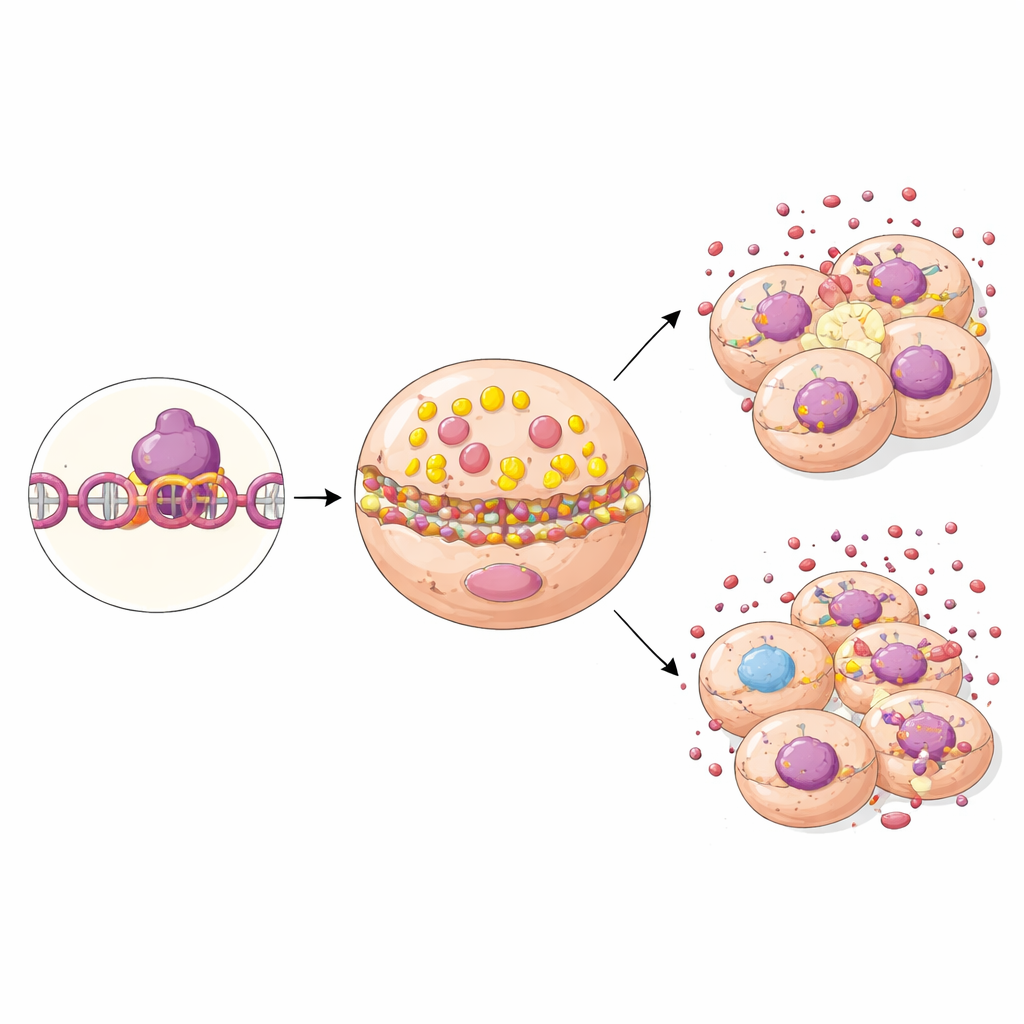
Together, these results outline a simple but powerful chain: LHX6 binds a specific segment of DNA, boosts the UGT8 gene, raises levels of the fat molecule GalCer, and thereby helps breast cancer cells resist dying when hit by chemotherapy. For patients, the immediate impact is not a new drug, but a clearer map of where to aim. If future therapies can safely block LHX6 in the right tumors, they may lower UGT8 and GalCer, stripping away a key survival aid and making existing chemotherapies more effective against otherwise drug‑resistant breast cancers.
Citation: Suchanski, J., Woldanska, W., Nour Ebad, S. et al. UGT8/GalCer-dependent resistance of breast cancer cells to drug-induced apoptosis is potentially regulated by the LIM/homeobox protein LHX6. Sci Rep 16, 11934 (2026). https://doi.org/10.1038/s41598-026-42260-1
Keywords: breast cancer drug resistance, UGT8, LHX6, galactosylceramide, apoptosis