Clear Sky Science · en
SVPWM based active filtering control of dual inverter fed open-end winding induction motor drive for harmonic mitigation
Why cleaner motors matter
Electric motors quietly power factory lines, pumps, fans, and even some electric vehicles. To control their speed efficiently, industries rely on electronic drives that rapidly switch power on and off. This switching saves energy but also roughens the electrical waveforms feeding the motor, producing unwanted vibrations, noise, and extra heating. The paper behind this article explores a new way to tame those electrical “rough edges” without adding more bulky hardware, promising smoother, longer‑lasting motor systems and better use of electrical energy.
The problem with rough electricity
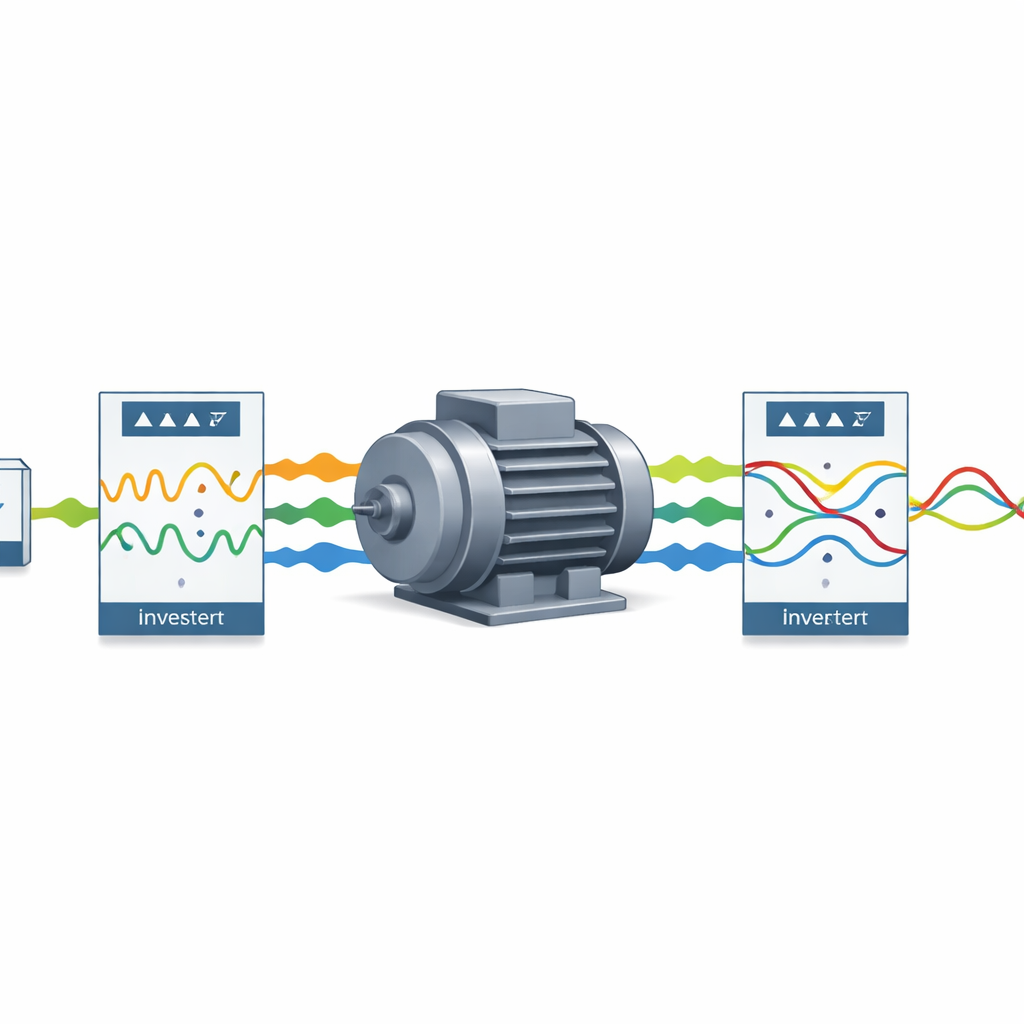
Modern power electronics turn steady electricity into fast, chopped pulses that are then shaped into waves for the motor. Ideally these waves would be perfectly smooth, but in reality they are full of extra ripples known as harmonics. In an industrial motor drive, these harmonics show up as distorted voltages and currents. For the motor, that means jerky torque, extra mechanical stress on shafts and bearings, audible whining, and wasted energy in the form of heat. Traditional fixes include passive filters made of coils and capacitors, or more complex multi‑level converters, both of which add cost, bulk, and design complexity.
A different way to wire the motor
The study focuses on a particular motor arrangement called an open‑end winding induction motor. Instead of tying the three stator windings together at a closed neutral point, both ends of each winding are brought out for connection. This allows engineers to feed the motor from two separate electronic converters, one on each side. When both are conventional two‑level inverters, the motor effectively experiences a three‑level voltage, improving power quality compared with a basic drive. Earlier work used this dual‑inverter layout mainly to share power and raise voltage capability. The new work rethinks the roles of the two inverters, turning one of them into an active “clean‑up” device.
Let one inverter do the work, the other do the cleaning
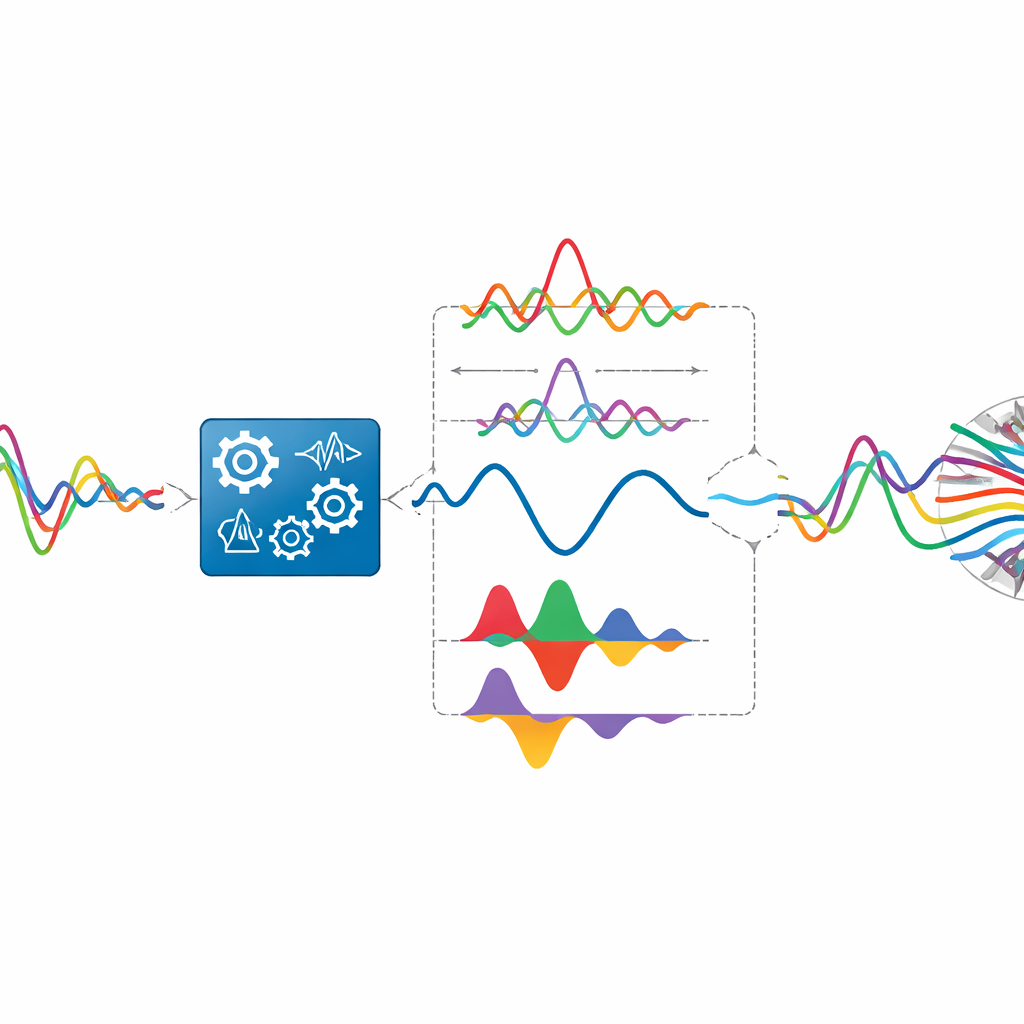
In the proposed scheme, the first inverter does almost all the real power delivery to the motor, using an efficient switching method called space‑vector modulation to generate the main three‑phase voltage. The second inverter, instead of feeding its own supply, is built around a floating capacitor and is controlled purely as a series active filter. The key idea is to measure what the primary inverter is actually producing, separate out the smooth fundamental part of that voltage, and treat everything left over as unwanted distortion. The secondary inverter is then commanded to produce a voltage that mimics just this distortion component, in such a way that it subtracts from the motor’s terminals. Because the motor “sees” the difference between the two inverters, the distortion from the first is largely canceled by the second, leaving a much cleaner phase voltage and current.
From simulation to real‑world tests
The authors built detailed computer models of a five‑horsepower induction motor driven by their dual‑inverter arrangement, and compared it against more common three‑level drives, including the widely used neutral‑point‑clamped design. They then validated the results on a laboratory test bench with a real motor and hardware controllers. Across a wide range of operating conditions, the new method consistently lowered the total amount of distortion in the motor phase voltage. For example, where a conventional open‑end drive produced distortion levels around 11–14 percent, the proposed approach cut this roughly in half, down to about 5–10 percent depending on settings. Low‑ and medium‑order harmonics, the ones most responsible for torque ripple and noise, were particularly well suppressed.
What this means for everyday machines
To a non‑specialist, the main message is that the authors have found a way to make standard industrial motors run more smoothly without redesigning the motor or adding heavy filter hardware. By cleverly re‑using one of the two existing inverters as a self‑adjusting filter, the scheme reduces electrical roughness at its source. Smoother voltages mean quieter operation, less vibration, and lower mechanical wear, as well as improved efficiency and reduced heating. For factories packed with variable‑speed drives, such improvements can translate into longer equipment life and lower operating costs, all while using the same basic components already found in modern motor systems.
Citation: Latha, S.N., Egeriose, S.K. & Gopinathan, S. SVPWM based active filtering control of dual inverter fed open-end winding induction motor drive for harmonic mitigation. Sci Rep 16, 14480 (2026). https://doi.org/10.1038/s41598-026-42127-5
Keywords: induction motor drives, harmonic reduction, active power filters, multilevel inverters, motor efficiency