Clear Sky Science · en
Metagenomic analysis reveals rectal microbiota features associated with HIV and behavioral factors in Nigerian men who have sex with men
Why Gut Bacteria Matter for Sexual Health
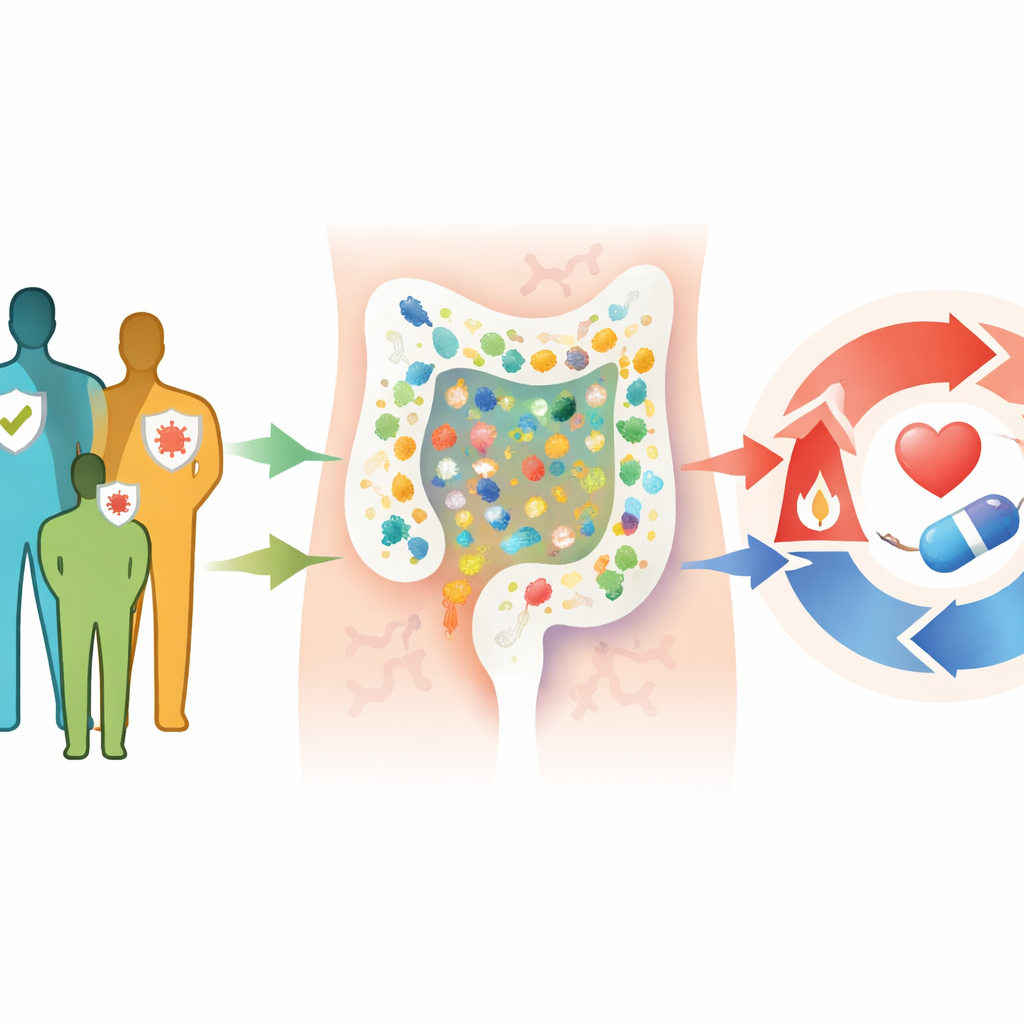
Deep inside our intestines lives a vast community of microbes that can influence everything from digestion to the immune system. This study looks at those microbes in the rectum of Nigerian men who have sex with men, a group heavily affected by HIV and other sexually transmitted infections. By asking how HIV infection and everyday sexual behaviors shape these hidden communities, the researchers hope to lay groundwork for future strategies to protect health, reduce infection risk, and manage long-term complications of HIV.
Who Was Studied and What Was Measured
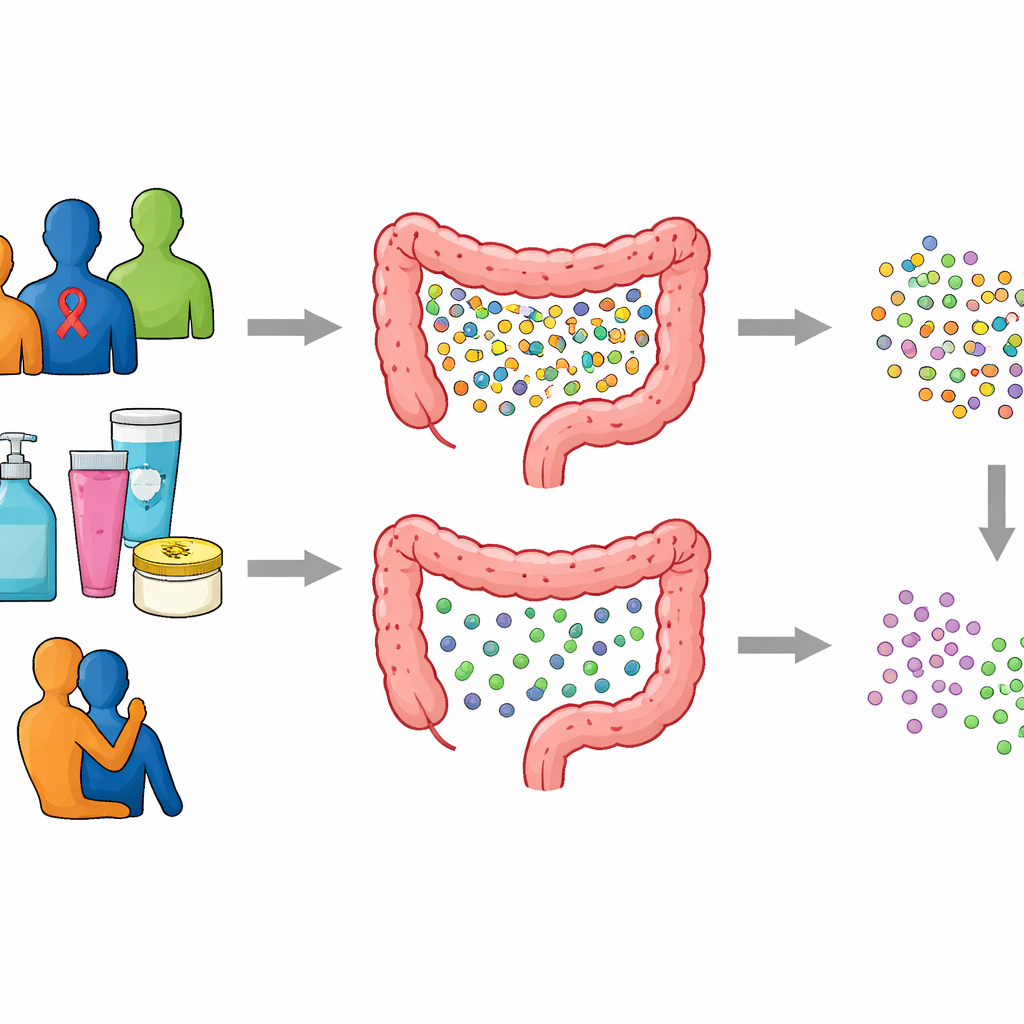
The research team analyzed rectal swab samples from over 400 men in Abuja and Lagos, Nigeria, most of whom were living with HIV. Some had well-controlled virus due to antiretroviral treatment, while others did not, and a smaller group did not have HIV at all. All samples were free of rectal gonorrhea and chlamydia so that active infections would not confuse the results. Using metagenomic sequencing—a powerful DNA-based method that can identify microbes down to the species level—they cataloged which bacteria were present and how many different kinds lived in each person’s rectum. They then linked these microbial patterns to age, HIV status, viral load, condom use, type of lubricant, and number of anal sex partners.
Key Differences in Microbial Richness
One of the clearest findings was that men living with HIV, especially those whose virus was suppressed by treatment, tended to have fewer kinds of rectal bacteria than men without HIV. Scientists call this lower “richness” in the microbial community. Even when taking age and sexual behavior into account, the pattern held: people without HIV generally had a richer mix of bacterial species. The study also found that men who used petroleum jelly as a lubricant for anal sex had lower microbial diversity by one common measure, suggesting that some products applied during sex may subtly disturb the local ecosystem of microbes.
Standout Microbes and Behavioral Links
Across all men, one bacterial species—Prevotella copri—was especially common, sometimes making up a large share of the rectal microbes in individual participants. However, its levels did not clearly track with HIV status or sexual practices. At a broader genus level, men with well-controlled HIV had less Prevotella overall than HIV-negative men. The researchers also examined the 20 most abundant bacterial species in detail. They found that HIV status, age, lubricant type, receptive anal intercourse, condom use, and number of partners were each linked to shifts in at least some of these species. For example, several beneficial, fiber-loving bacteria tended to be more common in older men, while certain other species were consistently higher or lower in people with HIV compared to those without.
A Complex Picture of Microbes and Community Life
When the team looked at the overall pattern of bacterial communities—not just single species—they saw that the rectal microbiota of men with and without HIV formed distinguishable clusters. Men with suppressed HIV, in particular, showed a rectal microbiome profile that differed from HIV-negative men, hinting that treatment and immune recovery may reshape the microbial landscape in ways that are not yet fully understood. In contrast, some behaviors that might be expected to have strong effects, such as the simple fact of having receptive anal intercourse, showed weaker or inconsistent links once other factors were accounted for. This suggests that rectal microbes are influenced by a tangled mix of biology, behavior, and environment.
What This Means for Future Health Efforts
For a layperson, the core message is that HIV infection, antiviral treatment, age, and everyday sexual practices all leave fingerprints on the rectal microbiome—but those fingerprints are nuanced and vary by place and population. In Nigerian men who have sex with men, people living with HIV generally had fewer types of rectal bacteria, and using petroleum jelly as a lubricant was tied to lower microbial diversity. Because the gut and rectal microbiota are linked to inflammation, heart disease, and possibly risk of HIV and other infections, understanding these patterns in diverse settings is crucial. The authors stress that much larger, long-term studies across different regions will be needed before doctors can safely recommend microbiome-based interventions, but this work provides essential baseline knowledge for that future.
Citation: Nowak, R.G., Gough, E., Holm, J.H. et al. Metagenomic analysis reveals rectal microbiota features associated with HIV and behavioral factors in Nigerian men who have sex with men. Sci Rep 16, 12275 (2026). https://doi.org/10.1038/s41598-026-42119-5
Keywords: rectal microbiome, HIV, men who have sex with men, Nigeria, sexual behavior