Clear Sky Science · en
Wound-healing, anti-inflammatory, and antioxidant activities of β-glucan from red sea-mangroves-associated Candida tropicalis
From Mangrove Roots to Medicine Cabinet
Minor cuts, slow-to-heal wounds, and inflamed skin are everyday problems, yet many of the ingredients that could help fix them may be hiding in unexpected places. This study looks to the Red Sea’s mangrove forests and the microbes living on their aerial roots as a new source of a natural sugar-based compound that can speed wound healing, calm inflammation, and mop up harmful “rusting” molecules in our bodies. By turning a little-known marine yeast into a tiny factory, the researchers point toward gentler, nature-inspired treatments for skin repair and other health issues.
A Hidden Helper Living on Sea Trees
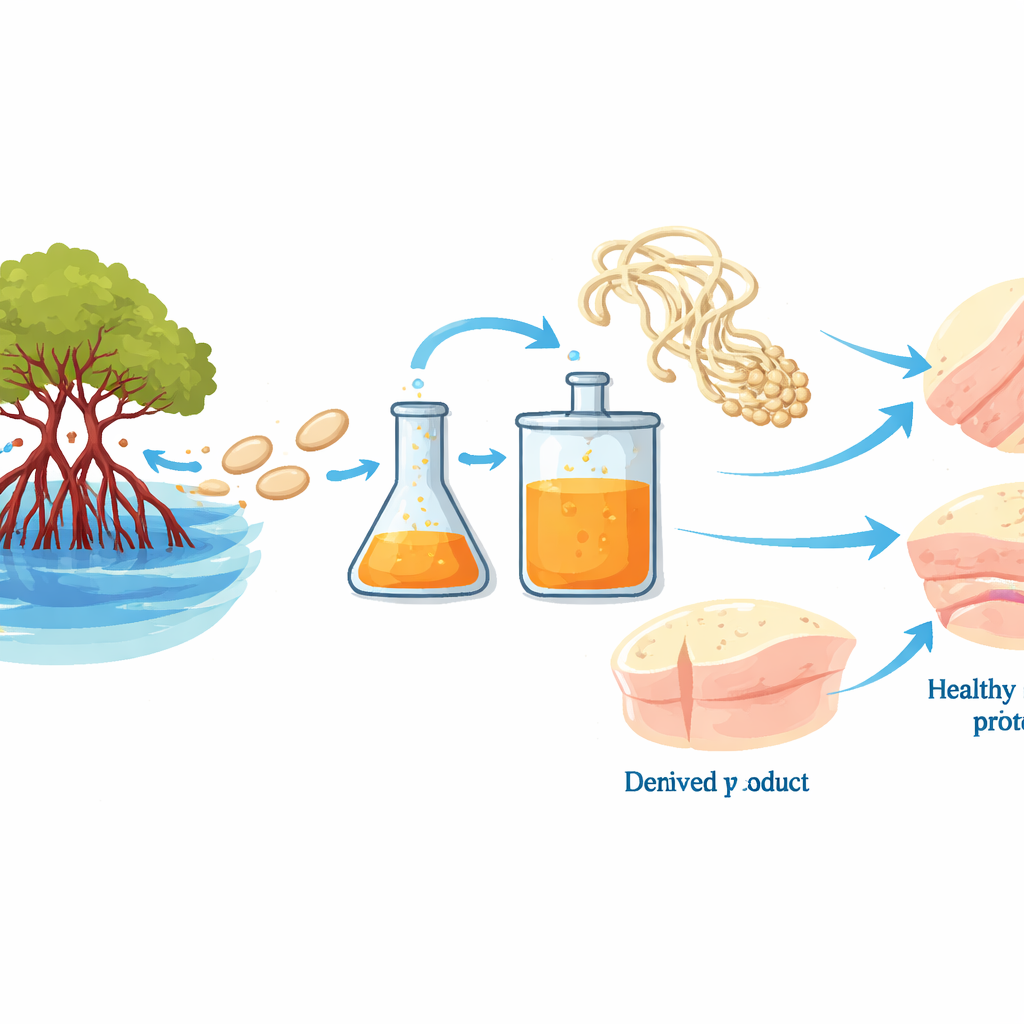
Mangrove shrubs grow along tropical shorelines, where their roots stand in salty seawater and scorching sun. These harsh conditions push the microbes that live on them to evolve unusual survival tricks, making them promising sources of new bioactive substances. The team collected root samples from Red Sea mangroves and isolated five strains of marine yeast. They focused on a common but underused species called Candida tropicalis, because one strain, labeled Y4, produced an unusually high amount of a compound called beta-glucan—about 17% of its fresh weight, noticeably more than the well-known baker’s yeast used in bread.
What Makes This Sugar So Special
Beta-glucan is a long chain of glucose sugar units that naturally forms part of the yeast’s cell wall. In everyday products, similar compounds are already used to thicken foods or soothe the skin. Here, the researchers were interested in its health benefits: the ability to neutralize damaging free radicals, calm overactive immune responses, and encourage skin cells to close wounds faster. Using advanced tools that read how molecules vibrate and how their atoms are arranged, the team confirmed that the beta-glucan from this marine yeast had the right structure—tightly linked, branching chains known to be biologically active and stable enough for potential medical use.
Tuning the Tiny Factory
To make this yeast a practical source of beta-glucan, the scientists needed to grow it efficiently, much like optimizing conditions for a careful fermentation. They tested different sugar levels, nutrients, acidity, shaking speeds, seawater content, and growth times. By applying a statistical design normally used in industrial process optimization, they discovered that higher glucose, a rich yeast extract, faster shaking (which improves oxygen supply), and the right incubation time all boosted beta-glucan output. Too much protein, higher salt, or less favorable acidity, however, cut production. Under the best conditions, the culture produced a substantial amount of beta-glucan, suggesting it could be scaled up for real-world manufacturing.
Protecting Cells and Closing Wounds
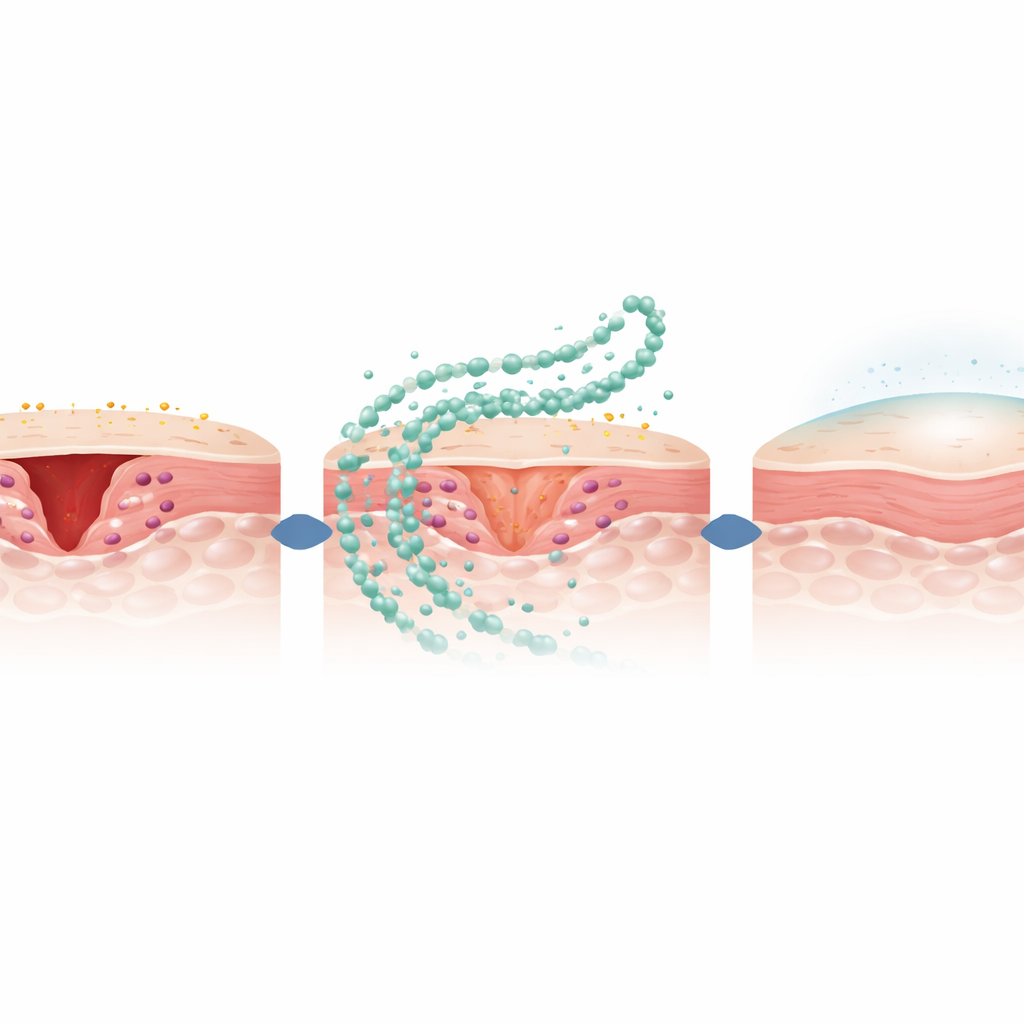
Once they had enough material, the team asked a simple question: can this marine beta-glucan actually protect living cells? In a test that tracks how well a substance can neutralize free radicals, the Red Sea beta-glucan showed strong antioxidant power at relatively low doses. When human epithelial cells were deliberately inflamed with a bacterial component, adding beta-glucan not only kept the cells alive but also greatly reduced the levels of two key alarm-signal molecules that drive swelling and chronic inflammation. In a “scratch assay,” where a narrow gap is made in a sheet of cells to mimic a wound, beta-glucan helped the cells migrate and close about 80% of the gap within 24 hours—far faster than untreated cells. A chemically modified, more soluble version of the compound remained active but was consistently less effective than the natural form.
Nature’s Sugar Shield for Skin
Put simply, this study shows that a yeast living on Red Sea mangrove roots can make a form of beta-glucan that acts like a three-in-one protector: it helps cells repair wounds, tones down harmful inflammation, and shields against oxidative damage. Because it works at doses well below those that harm cells, and outperforms some existing references in key tests, this marine-derived beta-glucan stands out as a promising ingredient for future creams, dressings, and possibly other therapies aimed at healthier, faster-healing skin.
Citation: ElGazzare, A.T., Alkersh, B.M., Sabry, S.A. et al. Wound-healing, anti-inflammatory, and antioxidant activities of β-glucan from red sea-mangroves-associated Candida tropicalis. Sci Rep 16, 11241 (2026). https://doi.org/10.1038/s41598-026-42067-0
Keywords: marine yeast, beta-glucan, wound healing, anti-inflammatory, antioxidant