Clear Sky Science · en
Genome-wide analyses of Mycobacterium tuberculosis complex isolates reveal insights into circulating lineages and drug resistance mutations in The Gambia
Why this matters for everyday health
Tuberculosis remains one of the world’s deadliest infectious diseases, and West Africa carries a heavy share of that burden. This study looks closely at the tuberculosis bacteria circulating in The Gambia over almost twenty years. By reading the bacteria’s genetic code, the researchers show which strains are most common and which changes in their DNA may make them resistant to key medicines. For a lay reader, the message is clear: understanding how local TB germs are changing is essential to keeping treatments effective and stopping drug-resistant TB before it spreads widely.
The germs behind the disease
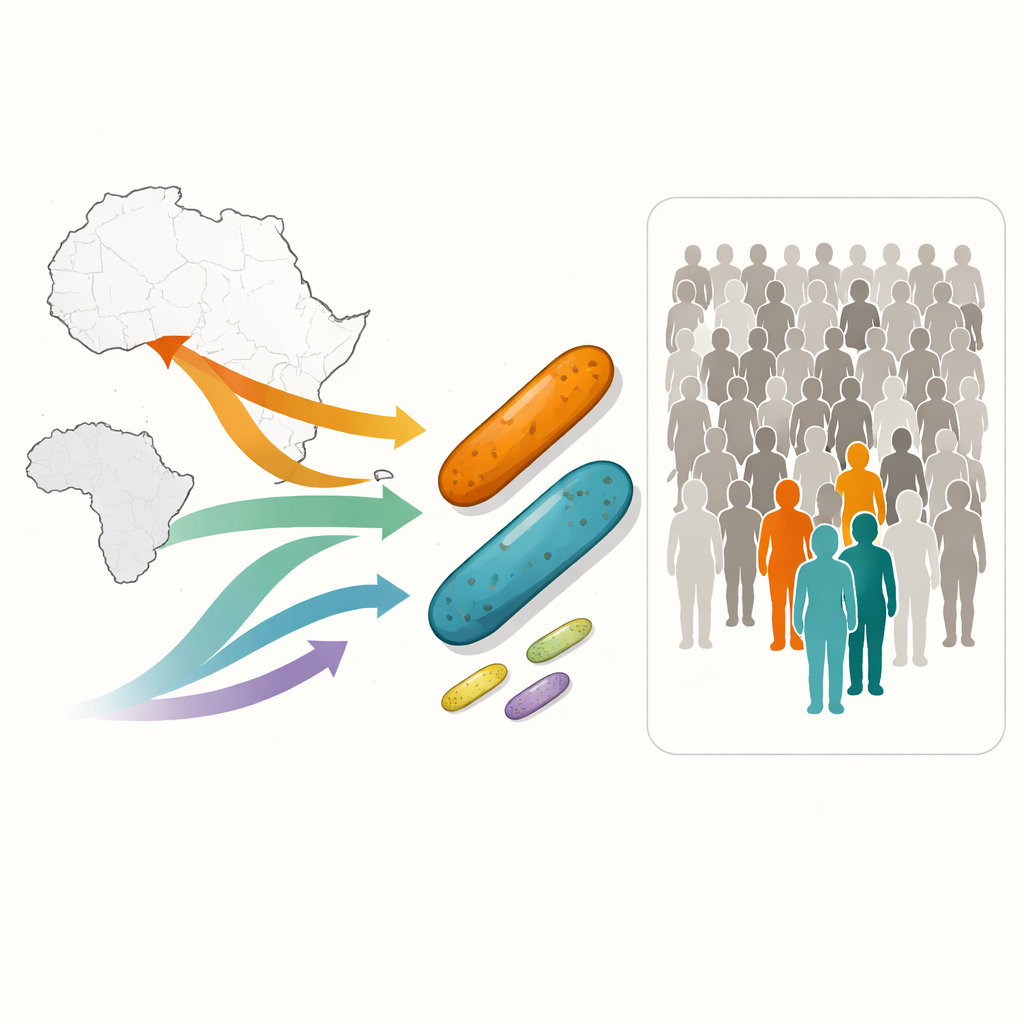
Tuberculosis is caused by a family of closely related bacteria collectively called the Mycobacterium tuberculosis complex. Around the world, some branches of this bacterial family have spread widely, while others are largely confined to certain regions. In The Gambia, the team sequenced the whole genomes of 1,803 bacterial samples taken from patients between 2002 and 2021. They found that two branches dominate: a globally common one called Lineage 4 and a West Africa–restricted one called Lineage 6. Together, these two account for 94% of infections in the study, showing how global and local strains coexist in a single small country.
Who is affected and how treatment looks today
Most of the TB samples came from adults in their working years, especially people between 18 and 44, and nearly three out of four were from men. This mirrors global patterns where men bear more of the TB burden. Encouragingly, nearly 80% of bacteria in the study were still susceptible to the standard drug combination used across West Africa. Only a small fraction were fully resistant to both main drugs, isoniazid and rifampicin, which defines multidrug-resistant TB. However, the researchers noted a worrisome rise in multidrug-resistant cases in more recent years, and a higher number of bacteria resistant to isoniazid alone, signalling a brewing problem that could undermine preventive and curative treatment regimens.
Hidden warning signs in the DNA
Beyond clearly resistant and clearly susceptible strains, the team discovered many bacteria carrying genetic changes whose impact on drug response is still uncertain. About one in six isolates fell into this grey zone. These mutations are listed in the World Health Organization’s catalogue but lack firm proof that they cause resistance. Some of them were unusually common in Gambian samples compared with the rest of the world, especially in Lineage 6. For example, a change in a gene targeted by the drug ethambutol appeared in over half of Lineage 6 isolates locally but was rare globally. Other mutations in the rifampicin target gene were frequent in West African strains but lie outside the region typically scanned by rapid diagnostic tests, meaning standard tests might miss important warning signs in this setting.
How structural biology reveals the trade-offs
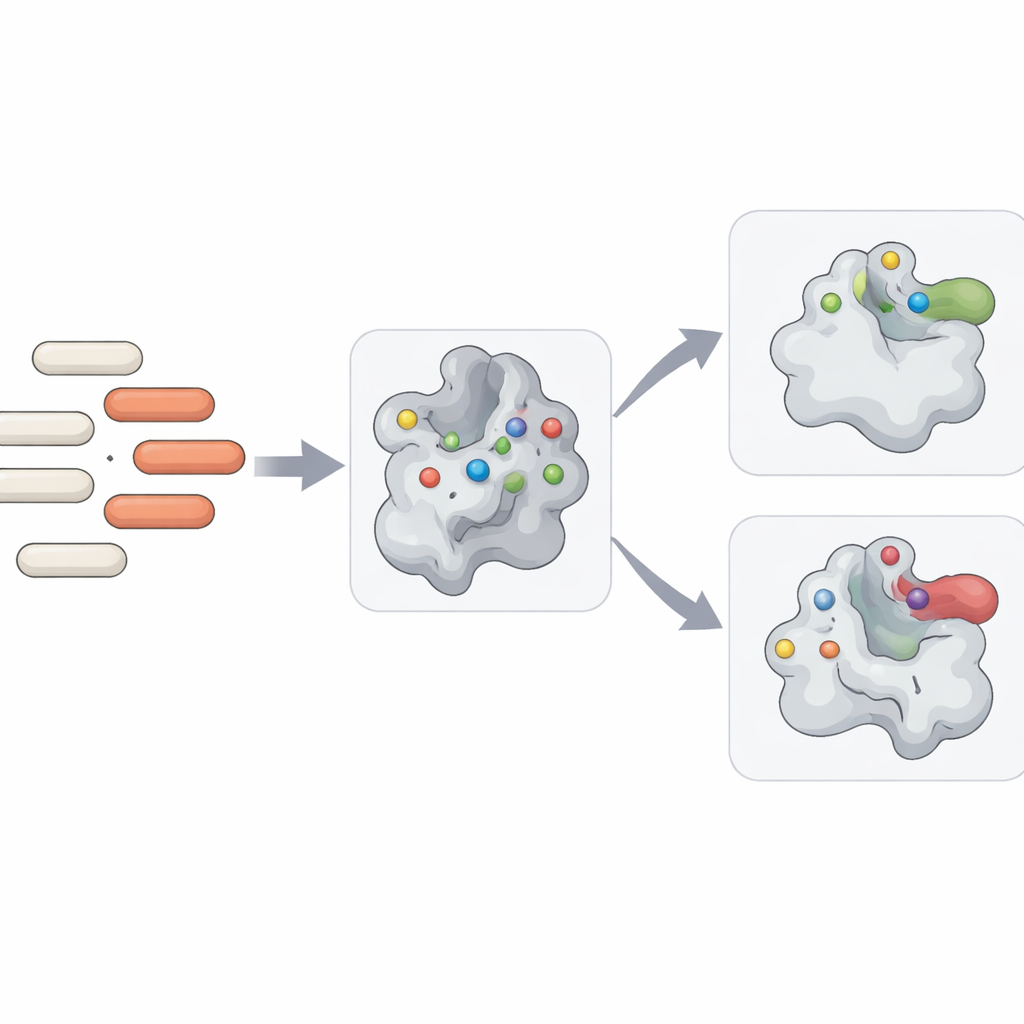
To move beyond lists of DNA changes, the researchers used computer models of bacterial proteins—the molecular machines that drugs latch onto. They asked where in the protein structure these mutations sit and how they might alter stability. They found that mutations linked to drug resistance tend to cluster in tightly packed, sheltered parts of proteins that are highly conserved over evolution, suggesting they affect crucial functions. In contrast, changes seen only in drug-susceptible strains often appear on the protein surface in more flexible, less conserved regions. Simulations of protein stability suggested that many resistance-associated mutations either destabilize or otherwise alter the protein’s shape, potentially interfering with drug binding. This points to a delicate balance: the bacterium pays a cost in fitness to escape the drug, but survives when treatment is present.
What this means for fighting TB in The Gambia
For non-specialists, the study’s takeaway is that TB in The Gambia is shaped by both worldwide and distinctly West African strains, and that drug resistance is more complex than a simple yes-or-no answer. Many locally common mutations have not yet been fully understood, especially in Lineage 6, which is largely confined to the region. Because of this, generic global rules for interpreting TB genetics can miss important local patterns. The authors argue that ongoing genome-based surveillance tailored to regional strains, combined with laboratory testing of uncertain mutations, will be essential to refine diagnostics, choose the right drug combinations, and keep pace with an evolving pathogen in the drive to end tuberculosis.
Citation: Faal, F., Top, N., Jobe, O. et al. Genome-wide analyses of Mycobacterium tuberculosis complex isolates reveal insights into circulating lineages and drug resistance mutations in The Gambia. Sci Rep 16, 12005 (2026). https://doi.org/10.1038/s41598-026-42003-2
Keywords: tuberculosis, drug resistance, genomic surveillance, West Africa, Mycobacterium tuberculosis lineages