Clear Sky Science · en
Post-acute sequelae of SARS-CoV-2 infection symptom network centrality analysis of Taiwan population to unveil intricate symptomatology patterns
Why lingering COVID symptoms matter
Many people survive their initial bout of COVID-19 only to find that the illness never quite ends. Weeks or even months later, they may still struggle with tiredness, stomach upset, chest discomfort, or a racing heartbeat. This study from Taiwan takes a new look at these lingering problems—often called long COVID—by treating symptoms not as isolated complaints, but as parts of an interconnected web. Understanding which symptoms sit at the "center" of this web could help doctors focus on those that keep the whole problem going.
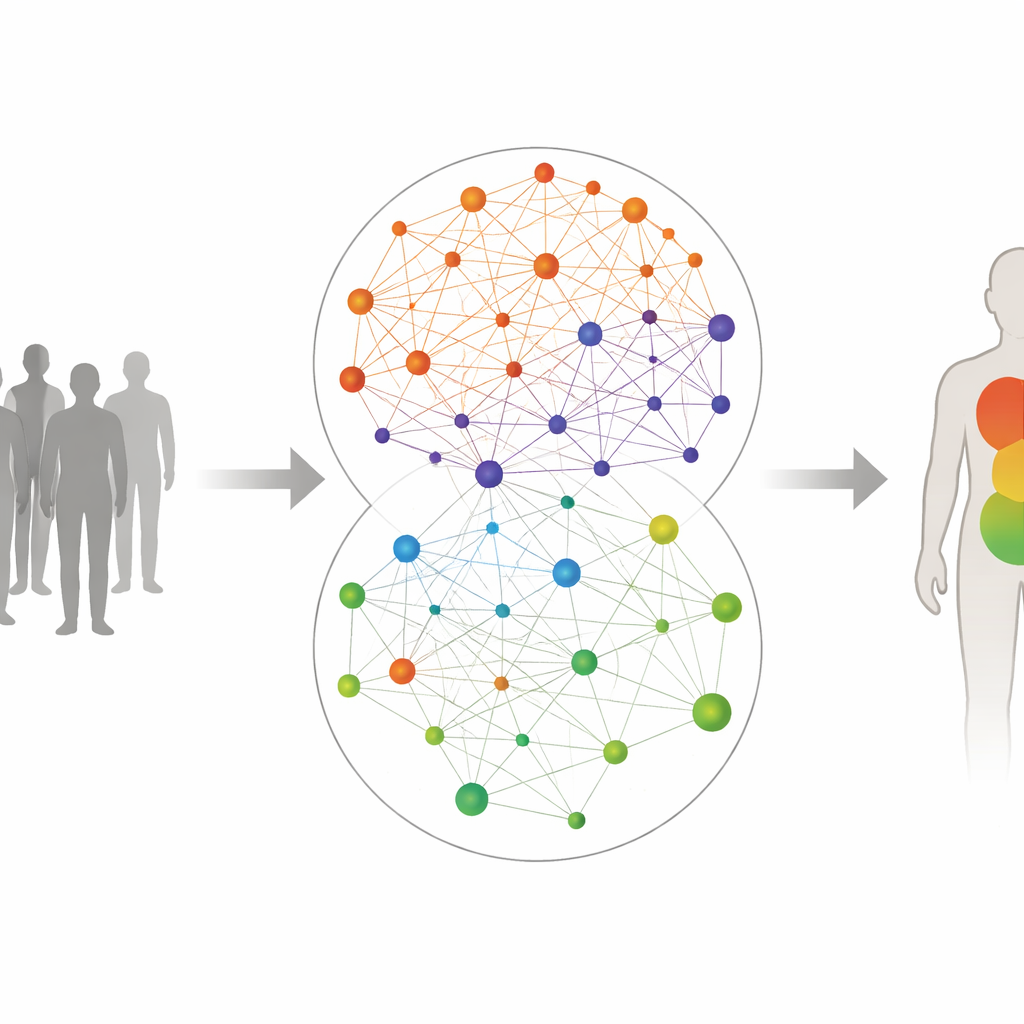
Two stages of life after infection
The researchers surveyed 672 adults in southern Taiwan who had previously been diagnosed with COVID-19. Everyone filled out an online questionnaire describing how often they experienced 20 different symptoms, such as fever, headache, shortness of breath, diarrhea, palpitations, and chest pain. Based on how long their symptoms had lasted, people were placed into two groups. The "post-acute" group reported symptoms between four and twelve weeks after infection, while the "long COVID" group still had symptoms more than twelve weeks later. This setup allowed the team to compare early and later stages of ongoing illness, rather than treating all lingering problems as the same.
Seeing illness as a web, not a list
Instead of just counting symptoms, the team used a method called network analysis, which looks at how often symptoms appear together. Each symptom is drawn as a point, and connections are added between points that tend to show up in the same person. Some points end up highly connected or lie on many of the shortest routes between others; these are the "central" symptoms that may organize the rest of the web. The researchers built separate networks for the post-acute and long COVID groups and then checked how stable these patterns were using repeated computer resampling. They also tested whether the overall network strength differed between the two illness stages or between men and women.
Different key symptoms over time
In people closer to their acute illness, the network was very dense: most symptoms were linked to many others. In this early phase, fever and headache were among the most central symptoms, fitting with our picture of COVID-19 as a general, whole-body infection. Diarrhea also stood out as a key connector, bridging different clusters of symptoms. In those with long COVID, the network was sparser but more focused. Heart-related complaints—especially palpitations and chest pain—moved to center stage, with strong ties to many other lingering problems. Diarrhea remained important in both groups, hinting that gut involvement may play a role throughout the course of the illness, even if the exact biological reasons remain unclear.
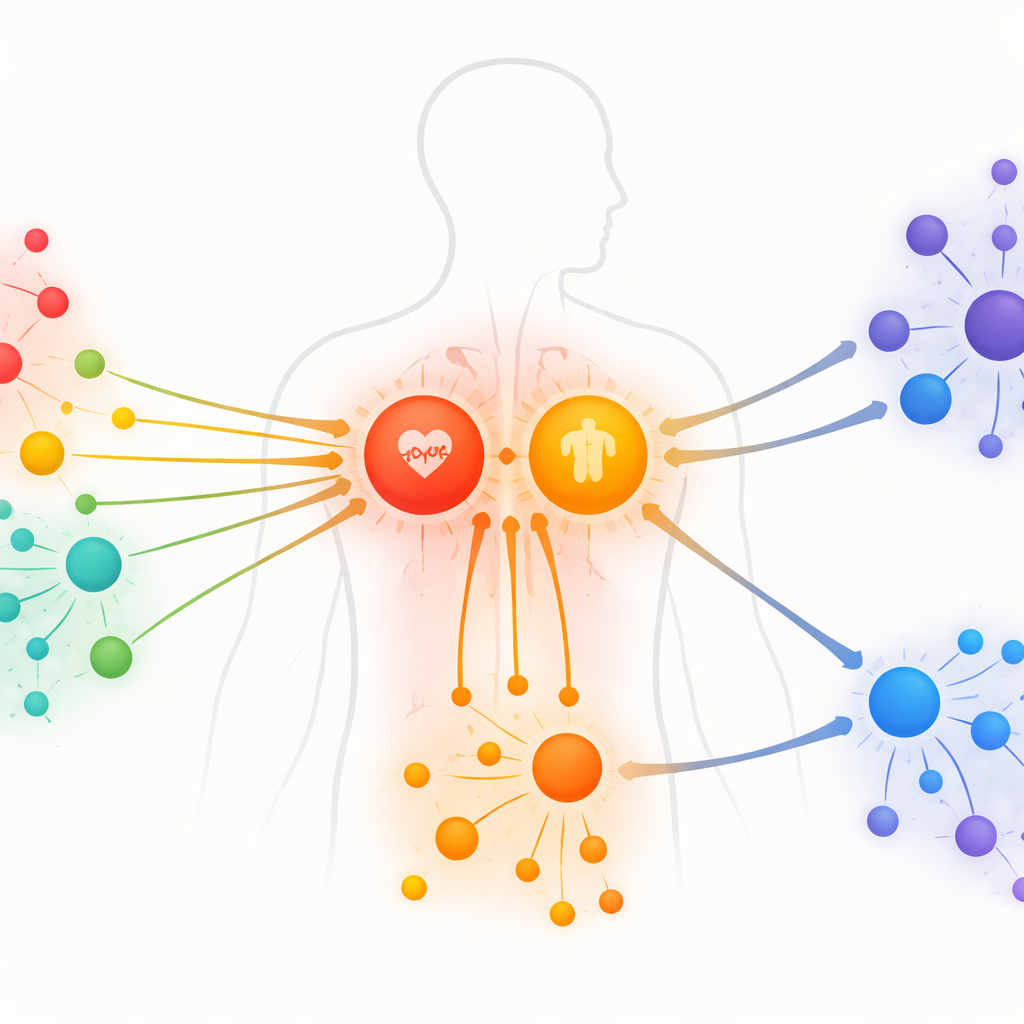
What the patterns mean for care
Because the study is cross-sectional and based on self-reported surveys, it cannot prove that one symptom causes another. Still, the network patterns offer practical guidance. Symptoms that are most connected may help sustain the overall burden of illness. The central role of palpitations and chest pain in long COVID supports careful follow-up of heart health in people with persistent symptoms, while the repeated appearance of gut symptoms suggests that digestive complaints should not be dismissed as minor. The absence of major differences between men and women implies that these patterns may apply broadly across adults, at least in this Taiwanese sample.
Take-home message for patients and clinicians
This work suggests that long COVID is not just a stretched-out version of early COVID. The “hub” symptoms change over time—from fever and headache soon after infection to heart and gut problems months later. By paying special attention to these central symptoms, health professionals may be able to design more focused checkups and treatments that ease not just one complaint, but entire clusters of problems connected to it. For people living with long COVID, the study reinforces that their experiences form part of a recognizable pattern—and that targeted, symptom-centered care could eventually help lighten the long shadow of COVID-19.
Citation: Kukreti, S., Yeh, CY., Lu, MT. et al. Post-acute sequelae of SARS-CoV-2 infection symptom network centrality analysis of Taiwan population to unveil intricate symptomatology patterns. Sci Rep 16, 14013 (2026). https://doi.org/10.1038/s41598-026-41991-5
Keywords: long COVID, post-acute COVID, symptom networks, cardiovascular symptoms, gastrointestinal symptoms