Clear Sky Science · en
Efficacy and safety of tepotinib in MET‑altered non‑small cell lung cancer: a meta-analysis
Why this matters for people with lung cancer
Lung cancer remains one of the deadliest cancers worldwide, and many patients eventually run out of effective treatment options. This article looks at a targeted drug called tepotinib, designed for a specific genetic change in some lung tumors. By pulling together results from several clinical studies, the researchers ask a practical question: how well does this medicine work in real patients, how long does it keep the cancer in check, and how safe is it?
A targeted drug for a specific tumor weakness
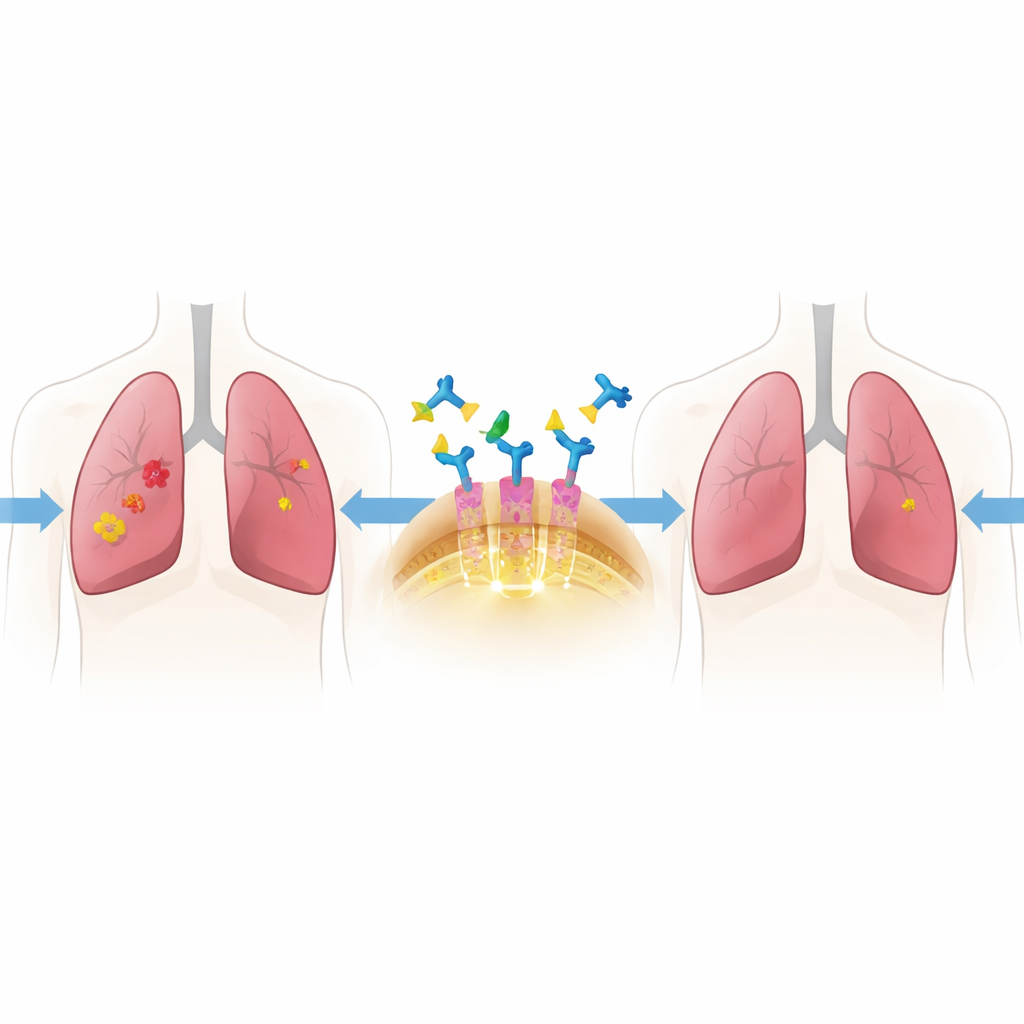
Not all lung cancers are the same. Many are driven by distinct genetic changes that act like stuck accelerator pedals in cancer cells. In this case, the focus is on changes in a gene called MET. Some tumors have a missing segment (called exon 14 skipping), while others carry extra copies of the gene (amplification). Both situations can supercharge MET activity and help cancer grow and spread. Tepotinib is a pill that precisely blocks this overactive MET signal, offering a more tailored approach than traditional chemotherapy for patients whose tumors carry these alterations.
Looking across many studies at once
Because most tepotinib trials have involved relatively small numbers of patients and often lacked comparison groups, it has been hard for doctors to judge how solid the evidence really is. To tackle this, the authors performed a systematic review and meta-analysis, a method that carefully gathers and combines data from multiple published studies. They searched major medical databases, screened hundreds of articles, and ultimately included six clinical studies covering 546 people with advanced or metastatic non-small cell lung cancer whose tumors showed MET exon 14 skipping, MET amplification, or both. Most participants had already received other treatments, and nearly all had disease that had spread beyond the lungs.
How well patients responded to treatment
When the researchers combined the data, about half of all patients saw their tumors shrink noticeably on scans after taking tepotinib: the pooled objective response rate was 52 percent. An even larger share, 76 percent, experienced at least stable disease or better, meaning the cancer either shrank or stopped growing for a period of time. On average, the cancer stopped worsening for just over 10 months, and patients lived about 15 months after starting the drug. Importantly, the benefit was similar whether the tumor had the exon 14 skipping change or MET amplification, suggesting that tepotinib can be useful across these different MET-driven forms of the disease.
Single drug versus drug combinations
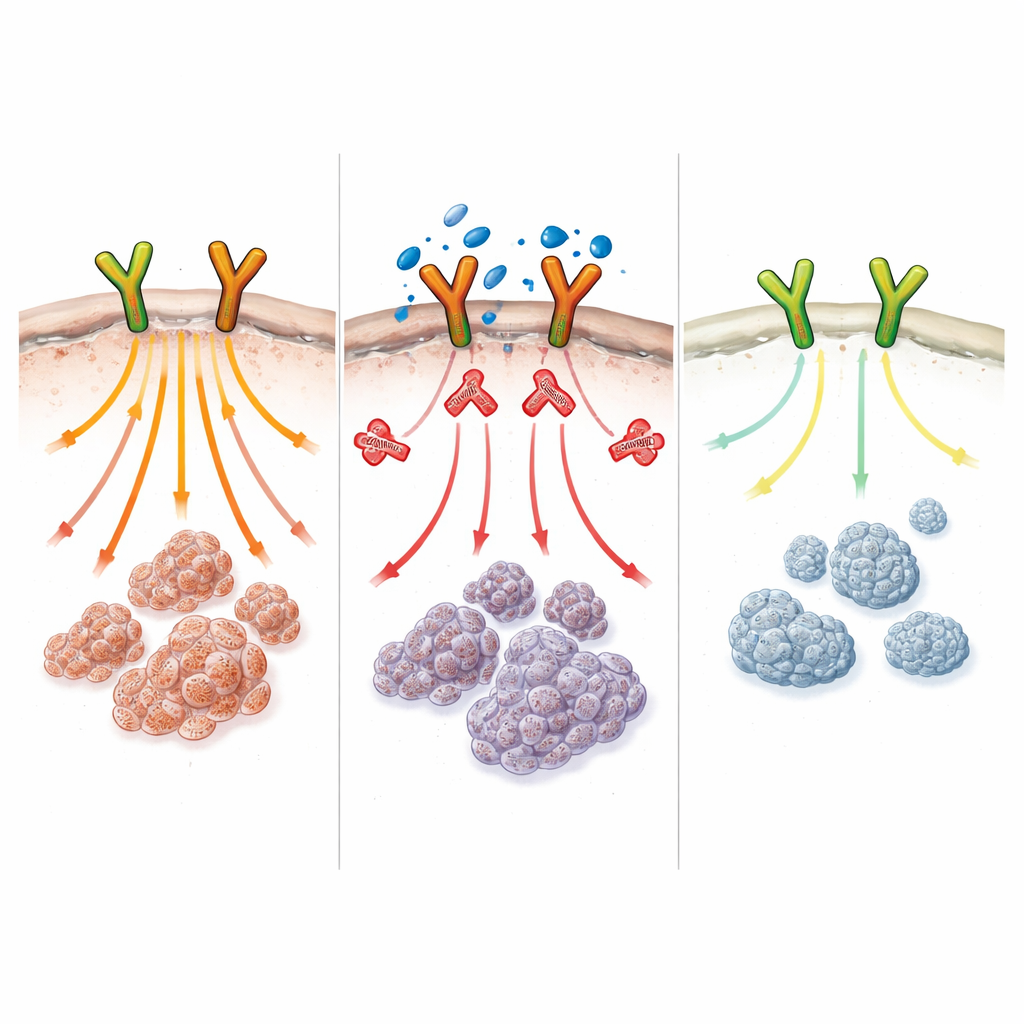
The authors also compared patients receiving tepotinib alone with those treated in combination with another targeted drug that blocks a different growth signal (EGFR). The chance of seeing tumor shrinkage was similar in both approaches. However, people who received combination treatment tended to go longer before their cancer worsened—around 16 and a half months, compared with about nine months for those on tepotinib alone. Overall survival also appeared longer with combination therapy, although the difference was less certain. These findings hint that pairing tepotinib with other targeted medicines may help responses last longer, particularly in patients whose tumors rely on more than one growth pathway.
Side effects and safety
Tepotinib’s side effects were generally manageable. The most common treatment-related problems were mild to moderate swelling, especially in the legs, and diarrhea. About half of patients experienced some swelling, and just over a third had diarrhea, but severe cases were relatively rare. Serious side effects such as marked swelling or drops in blood protein levels occurred in only a small fraction of patients. Most laboratory changes in liver or kidney tests were mild. When the researchers removed individual studies one by one to test the stability of their findings, the overall results barely changed, adding confidence that the benefits and risks they observed are robust.
What this means for patients and doctors
For people with advanced non-small cell lung cancer driven by MET changes, this analysis supports tepotinib as a valuable treatment choice. Across several trials, roughly one in two patients saw their tumors shrink, many others had disease stabilization, and the side effects were usually tolerable. The similar benefit in both MET exon 14 skipping and MET amplification underscores the importance of testing tumors for a range of MET alterations, not just one type. Early hints that combining tepotinib with other targeted drugs may prolong control of the disease point toward new treatment strategies that still need to be confirmed in larger, carefully controlled trials.
Citation: Xiao, J., Cai, Q., Li, X. et al. Efficacy and safety of tepotinib in MET‑altered non‑small cell lung cancer: a meta-analysis. Sci Rep 16, 11256 (2026). https://doi.org/10.1038/s41598-026-41989-z
Keywords: tepotinib, MET-altered lung cancer, targeted therapy, non-small cell lung cancer, MET exon 14