Clear Sky Science · en
Semaglutide restores metabolic and structural homeostasis along the gut-heart-metabolic axis in a cafeteria diet-induced obesity model
Why this matters for everyday health
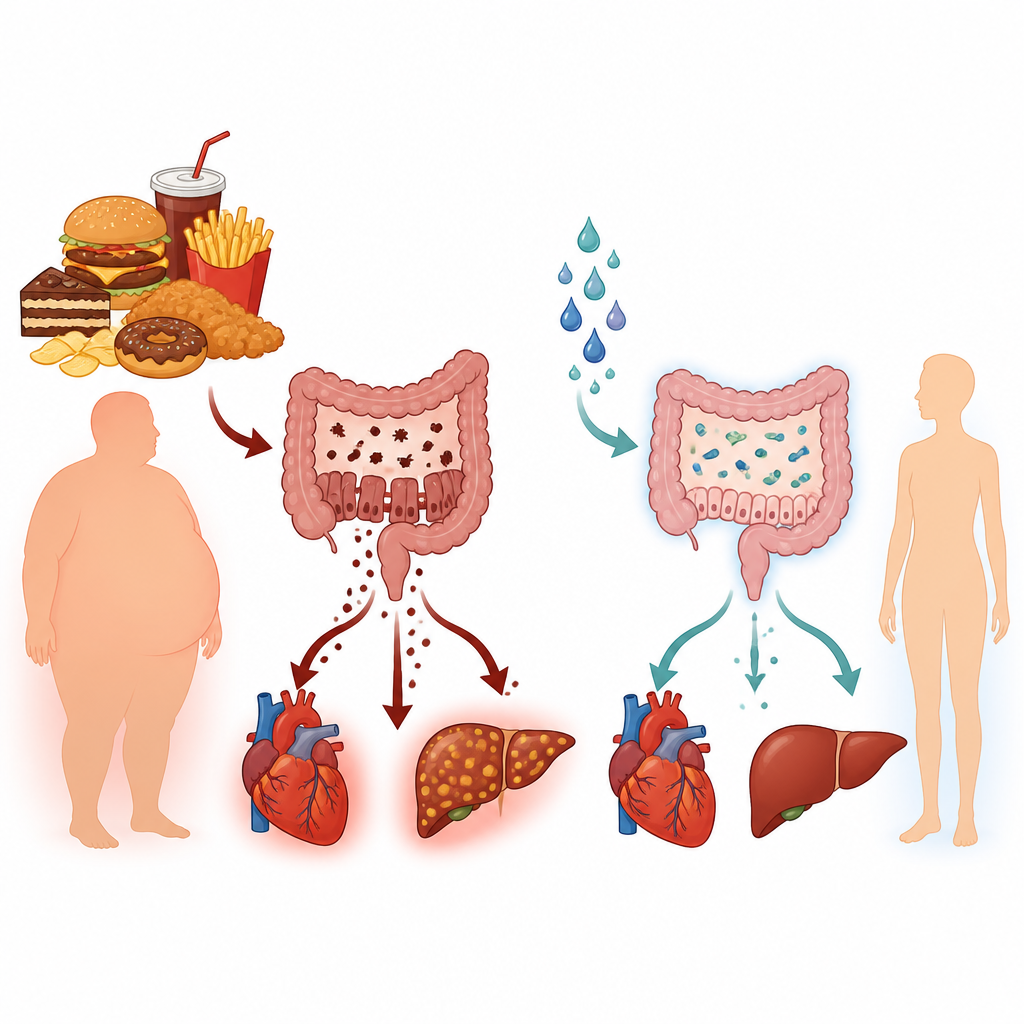
Obesity is often discussed in terms of weight and blood sugar, but it also quietly strains the gut and the heart. This study in rats looks at how an obesity drug called semaglutide, already used for weight loss and diabetes, might also protect the intestines and the heart at the same time. By tracing a chain of events from junk food in the gut to damage in heart tissue, the researchers explore whether semaglutide can calm this harmful "gut to heart" traffic, not just lower weight.
From fast-food style diet to body-wide stress
The researchers used a cafeteria-style diet rich in fat and sugar to mimic Western eating habits in rats. Over sixteen weeks, this diet made the animals gain weight, raise their blood sugar and develop signs of insulin resistance, much like people with metabolic syndrome. Their blood fats shifted in an unhealthy direction, with higher triglycerides and "bad" cholesterol, and higher calculated risk scores for heart disease. Hormones that regulate appetite and metabolism were also disturbed, with more leptin, a signal often linked to weight gain and appetite dysregulation.
The gut barrier as the first line of defense
Beyond changes in weight and blood chemistry, the cafeteria diet damaged the thin intestinal lining that normally keeps bacteria and their products inside the gut. Under the microscope, the researchers saw frayed and degenerating villi, the tiny finger-like projections that absorb nutrients. Key sealing proteins that help neighboring gut cells lock together were reduced, and levels of bacterial toxins such as lipopolysaccharide rose in the bloodstream. This leakiness, sometimes called metabolic endotoxemia, can stir up low-grade inflammation throughout the body and is thought to play a role in obesity-related diseases.
Semaglutide steps in along the gut-heart axis
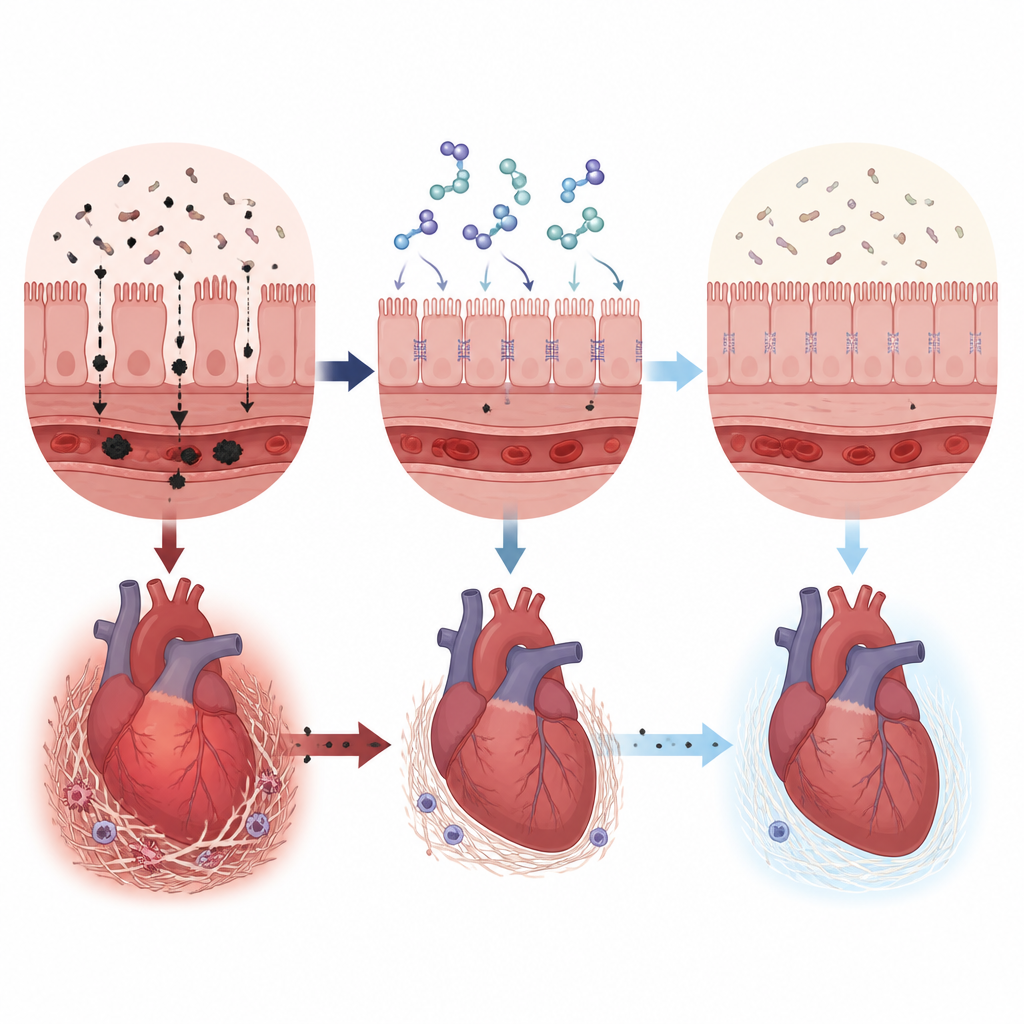
In a second obese group, the same diet was combined with weekly semaglutide injections during the last four weeks. Even over this relatively short period, semaglutide lowered body weight, fasting blood sugar and indices of insulin resistance, and improved measures of insulin-producing cell function. Blood fats improved, with lower triglycerides and a better risk profile for heart disease. Levels of leptin fell, hinting at a partial easing of obesity-linked hormonal strain. At the gut level, the drug helped restore villus structure and increased the presence of sealing proteins, suggesting a tighter, less permeable barrier and less passage of harmful bacterial products into the blood.
Calmer inflammation and a sturdier heart
The study also tracked what happened in the heart itself. Obese rats without treatment showed inflamed and injured heart muscle cells, with signs of myocarditis, necrosis and an imbalance in the proteins that build up and break down the heart’s supporting framework. Inflammatory messengers linked to scarring were higher, and blood levels of heart injury enzymes were raised. With semaglutide, these changes were largely blunted: inflammatory signals dropped, the balance between tissue-building and tissue-breaking enzymes shifted toward normal, and heart injury markers in the blood fell. The drug also restored levels of an antioxidant enzyme in heart tissue, pointing to better defenses against oxidative stress.
What this could mean going forward
Put simply, the work suggests that semaglutide may do more than help with weight and sugar control in obesity. In this rat model, it helped seal up a leaky gut, reduced the flow of inflammatory substances into the bloodstream, and lessened damage and scarring signals in the heart. While animal results do not automatically translate to people, the findings support the idea that treatments targeting the gut can influence heart health. They also hint that drugs like semaglutide might help slow the slide from metabolic imbalance toward heart muscle disease, by acting along a connected gut-heart-metabolic axis.
Citation: Doganay, S., Yanar, S., Bolat, İ. et al. Semaglutide restores metabolic and structural homeostasis along the gut-heart-metabolic axis in a cafeteria diet-induced obesity model. Sci Rep 16, 14810 (2026). https://doi.org/10.1038/s41598-026-41954-w
Keywords: semaglutide, obesity, gut barrier, cardiac remodeling, metabolic inflammation