Clear Sky Science · en
Biological assessment of Coccinia grandis leaf and Lupeol against β-lactam resistant Klebsiella pneumoniae through integrated in-silico and in-vitro studies
Why a climbing plant matters for hospital infections
Antibiotic-resistant infections are turning once-routine illnesses into life‑threatening crises, especially in hospitals. One repeat offender is Klebsiella pneumoniae, a bacterium that can cause severe infections in the head and neck, lungs, and bloodstream, and has learned to shrug off powerful last‑resort antibiotics called carbapenems. This study explores whether a common medicinal vine, Coccinia grandis—used in traditional remedies across Asia—harbors a natural compound, Lupeol, that can disarm these hard‑to‑treat germs while remaining safe for human cells.
A familiar garden plant with hidden strength
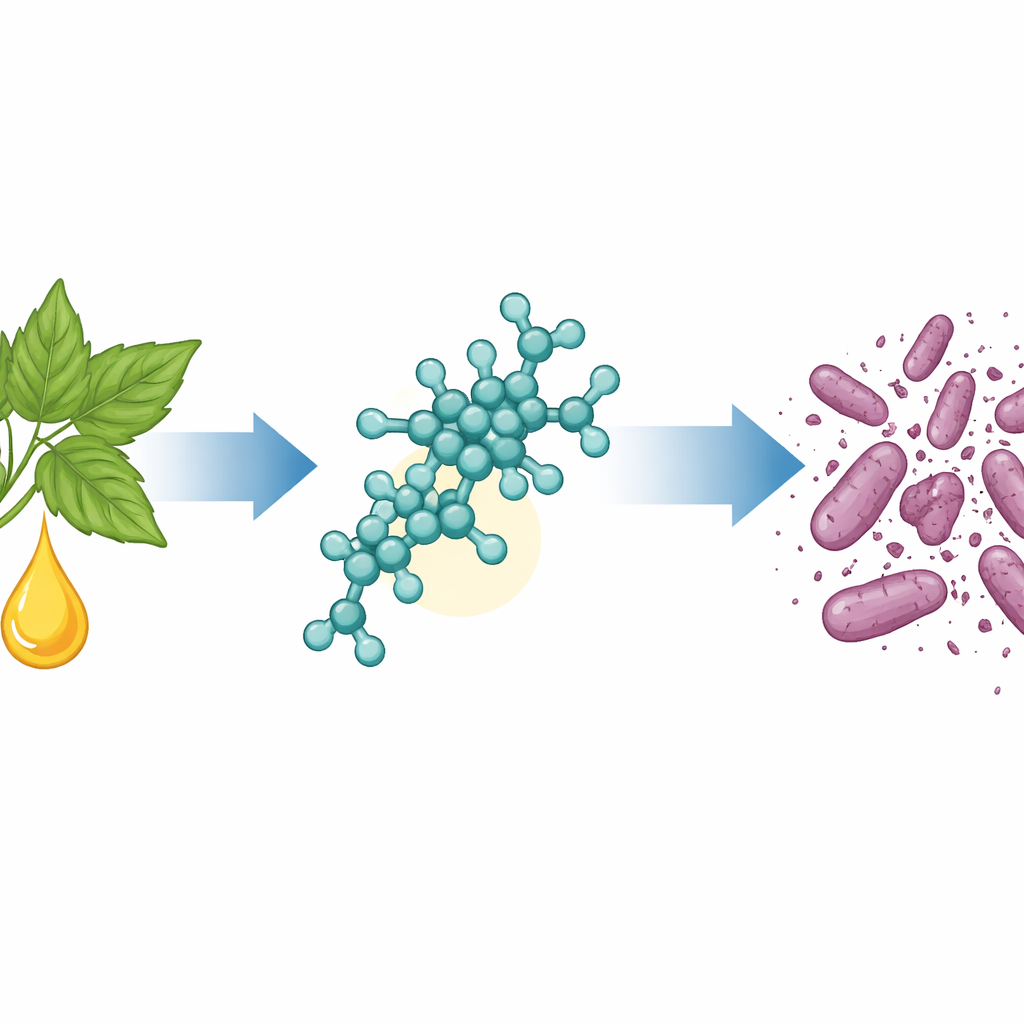
Coccinia grandis, sometimes used as a vegetable or folk remedy, is rich in plant chemicals thought to have health benefits. The researchers prepared an alcohol‑based extract from its leaves and separated the many small molecules it contained using advanced chemical fingerprinting tools. Out of dozens of compounds, one triterpene called Lupeol stood out as especially abundant. Lupeol is already known from other fruits and medicinal plants for its anti‑inflammatory, antioxidant, antimicrobial, and anticancer activities. Here, the team asked if Lupeol from C. grandis could specifically counter a dangerous, carbapenem‑resistant strain of K. pneumoniae isolated from deep neck infections.
Targeting the bacterium’s shield against antibiotics
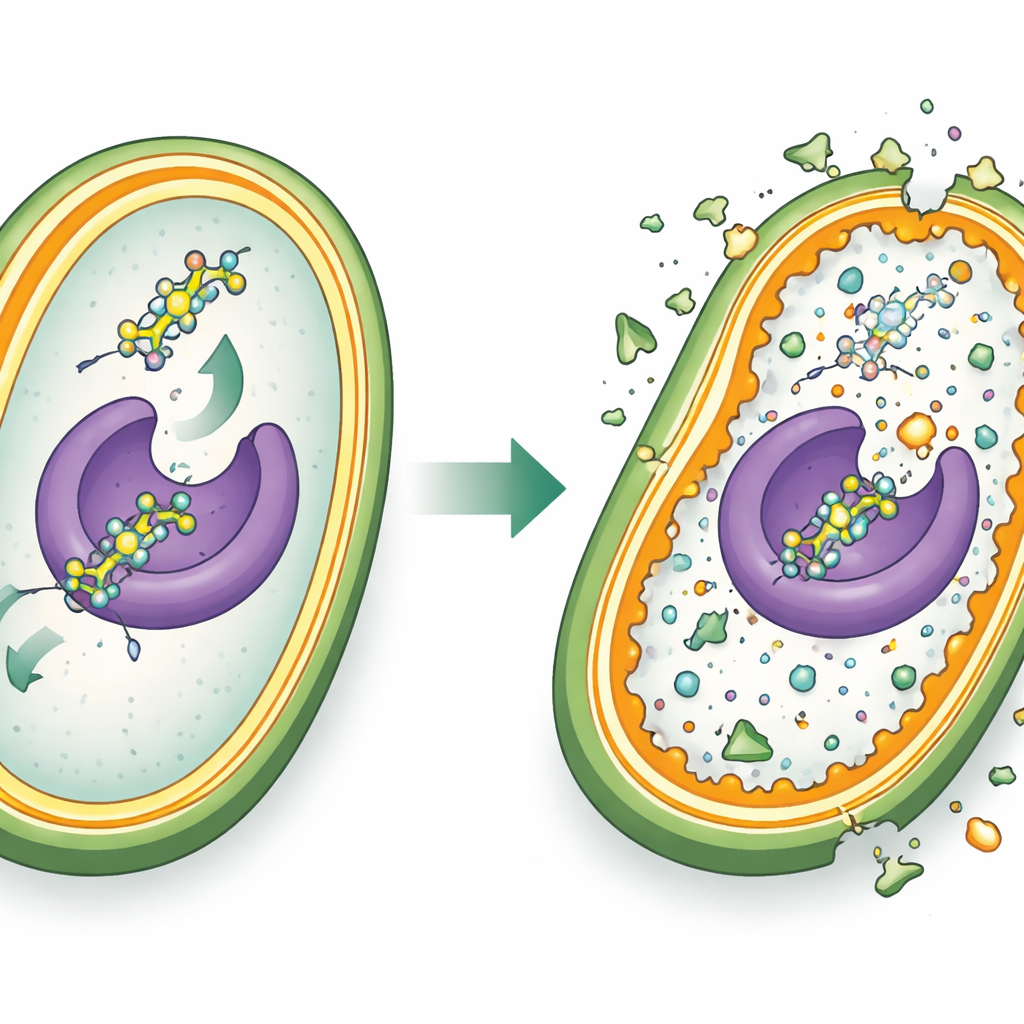
The resistant bacteria carry genes that produce metallo‑β‑lactamases, enzymes that break down carbapenem antibiotics before they can work. The study focused on one such enzyme, NDM‑1, which requires zinc ions at its active center to function like a molecular tin‑opener on drug molecules. Using computer‑based docking and long, atom‑level simulations, the authors tested how tightly Lupeol could nestle into the NDM‑1 structure compared with two standard drugs, imipenem and meropenem. The simulations showed Lupeol forming stable contacts in the same pocket where the enzyme interacts with drugs, with strong binding energies and steady behavior over 100 billionths of a second of simulated motion. This suggested Lupeol could effectively block the enzyme’s activity.
Putting the plant molecule to the test
The team next moved from models to live bacteria. They compared plain leaf extract, purified Lupeol, and the two antibiotics against the resistant K. pneumoniae strain. On culture plates, Lupeol produced a wider clear zone where bacteria could not grow than either antibiotic, indicating stronger activity at the tested doses. When they determined the minimum amount needed to halt growth, Lupeol worked at lower concentrations than the crude plant extract and the drug controls. Under a high‑resolution electron microscope, bacteria exposed to Lupeol showed damaged, ruptured cell walls and distorted shapes, consistent with a direct assault on the cell envelope.
How blocking the enzyme weakens the germ
To confirm that Lupeol truly interferes with NDM‑1, the researchers purified the enzyme and measured its ability to break down a test substrate in the presence of different Lupeol doses. Lupeol inhibited the enzyme with a potency close to the well‑known metal‑binding agent EDTA. Additional experiments in which extra zinc was added showed that Lupeol likely works in part by tying up zinc ions needed for NDM‑1’s activity, reducing its hydrolytic power by about half. At the same time, safety‑oriented computer predictions suggested Lupeol lacks the liver‑toxicity flags seen with the reference antibiotics and can reach tissues effectively, and laboratory tests showed it strongly slowed the growth of several cancer cell lines while sparing healthy kidney cells at similar doses.
What this could mean for future treatments
Taken together, the findings paint Lupeol as a promising natural ally against carbapenem‑resistant Klebsiella. It appears to latch onto the bacterium’s resistance enzyme, interfere with its metal cofactor, and contribute to physical breakdown of the bacterial cell, all while showing a more favorable toxicity profile than current drugs in the early tests performed here. The work does not yet deliver a finished medicine—live‑animal studies, detailed safety evaluations, and exploration of how Lupeol might be combined with existing antibiotics are still needed. But it offers a clear proof of concept that a well‑known plant compound can help neutralize one of today’s most worrisome hospital pathogens and points toward plant‑derived molecules as a valuable source of new defenses in the era of antibiotic resistance.
Citation: Lenka, S., Mir, S.A., Meher, R.K. et al. Biological assessment of Coccinia grandis leaf and Lupeol against β-lactam resistant Klebsiella pneumoniae through integrated in-silico and in-vitro studies. Sci Rep 16, 11327 (2026). https://doi.org/10.1038/s41598-026-41907-3
Keywords: antibiotic resistance, Klebsiella pneumoniae, Coccinia grandis, Lupeol, NDM-1 enzyme