Clear Sky Science · en
Treatment outcomes and associated factors among road traffic injury patients in emergency departments of public hospitals in Awi Zone Northwest Ethiopia
Why this study matters to everyday life
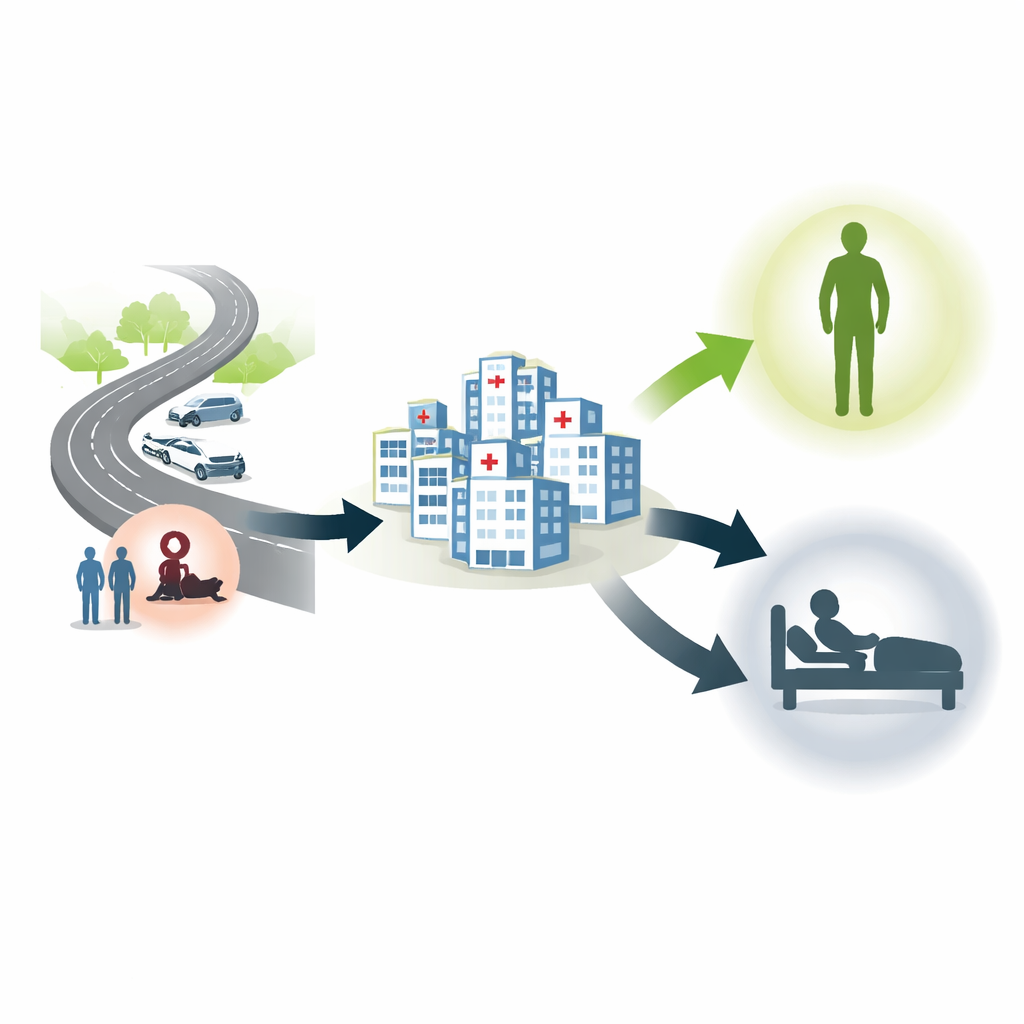
Road crashes are an everyday threat, especially in countries where traffic is growing faster than safety systems. Beyond the headlines, families live with the long-term consequences when a loved one dies or is permanently disabled. This study from Northwest Ethiopia asks a simple but vital question: when people reach a hospital after a road crash, who recovers well and who does not—and what can be done to tilt the odds toward survival and recovery?
The setting: busy roads and stretched hospitals
The research took place in Awi Zone, a largely rural area of Northwest Ethiopia served by one general hospital and four primary hospitals. Like many low- and middle-income regions, Awi Zone faces rapid growth in vehicle numbers, limited emergency services, and long travel times to care. Health workers in emergency departments are heavily outnumbered by their patients, and many injured people first pass through smaller clinics or health centers. In this context, understanding which patients are most at risk of dying or living with disability after a crash can help hospitals use their limited resources more wisely.
Who was studied and what happened to them
The researchers reviewed the medical charts of 461 people who came to the emergency departments of these five public hospitals with injuries from road crashes between early 2022 and mid-2024. Patients ranged from young children to older adults, with an average age just over 31 years; nearly two-thirds were men, and a majority lived in towns rather than in the countryside. Their injuries covered the full spectrum—from cuts and bruises to broken bones, head trauma, and multiple injuries affecting different parts of the body. Almost two-thirds ultimately needed surgery, and about one in five had an existing health problem such as high blood pressure or diabetes.
How often outcomes were good or bad
Most patients in this study left the hospital in better condition: nearly 89 percent were discharged with improvement. However, about 11 percent had what the authors defined as a poor outcome—either they died in the hospital or were discharged with permanent disability that limited daily life. Around 4 percent died and about 6 percent left with lasting problems such as paralysis or limb loss. Compared with some studies from other African hospitals, the death rate here was lower, but it was higher than rates seen in some better-resourced settings, underscoring the ongoing burden of road injuries in Ethiopia.
What made the biggest difference
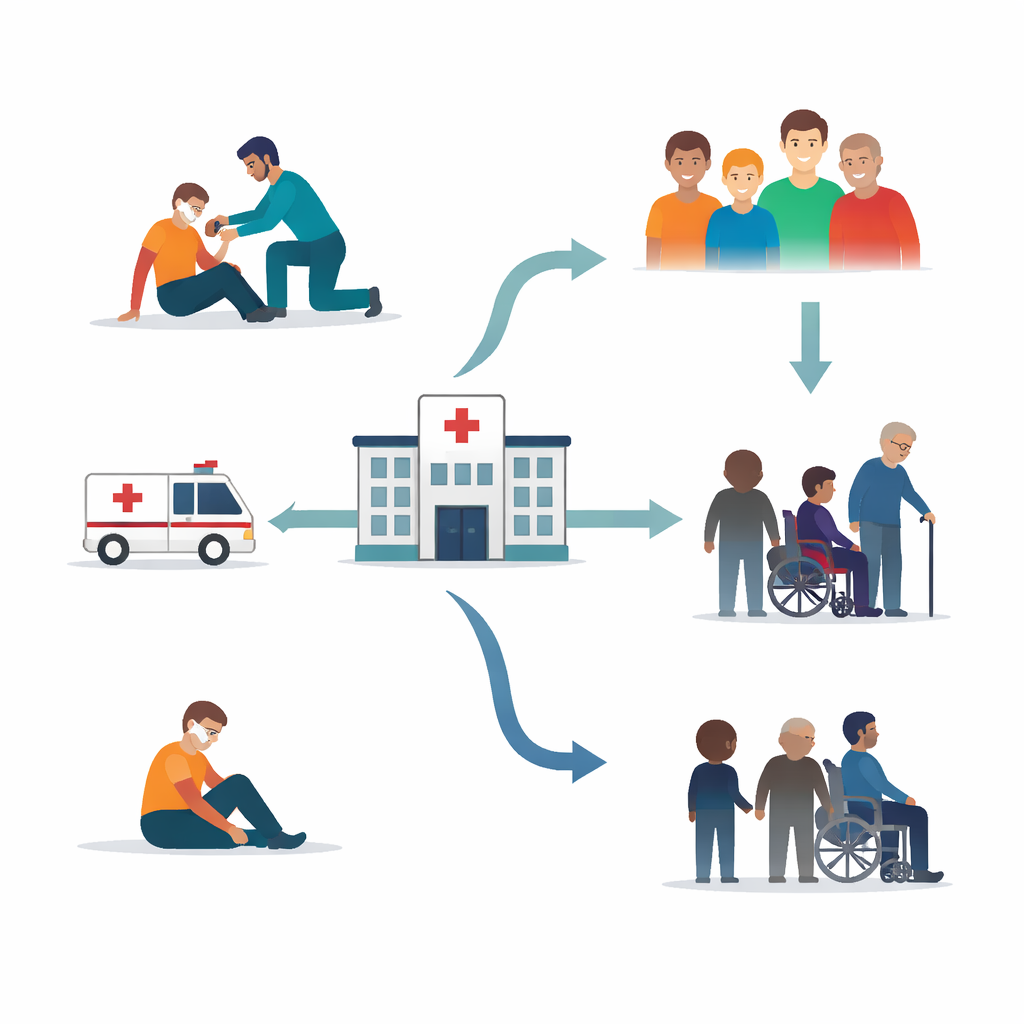
By comparing patients with good and poor outcomes, the team identified several key influences. Age mattered: children younger than 15 had worse odds than adults, while those aged 31 to 50 and those over 50 generally fared better once they reached hospital. The single strongest warning sign was the presence of complications such as infection or increased pressure inside the skull; patients who escaped such complications were far less likely to die or live with disability. Another striking finding concerned care before reaching the hospital. People who received any form of first aid—such as basic support to keep breathing or circulation going—were markedly less likely to end up with a poor outcome than those who arrived with no early help at all.
What this means for families and communities
For families, the message is both sobering and hopeful. Road crashes will continue to happen, but what occurs in the minutes and hours afterward can change a person’s life. In Awi Zone, most crash victims who reached public hospitals survived and improved, yet a significant minority died or were left disabled, especially younger patients, those with complications, and those who missed early first aid. Strengthening basic roadside help, speeding safe transport, and ensuring that high-risk patients are recognized and prioritized in crowded emergency rooms could prevent many tragedies. Beyond the hospital walls, stricter traffic enforcement and broader safety measures are needed to reduce the number of crashes in the first place.
Citation: Demelash, H., Wondem, G.A., Teshome, M. et al. Treatment outcomes and associated factors among road traffic injury patients in emergency departments of public hospitals in Awi Zone Northwest Ethiopia. Sci Rep 16, 11488 (2026). https://doi.org/10.1038/s41598-026-41905-5
Keywords: road traffic injury, emergency care, first aid, Ethiopia, injury outcomes