Clear Sky Science · en
Mapping epigenetic gene variant dynamics: comparative analysis of frequency, functional impact and trait associations in African and European populations
Why Hidden DNA Switches Matter for Everyone
Most people know that genes help shape our bodies and risk for disease. Less familiar are the “switches” that control how those genes are turned on and off, a layer of control known as epigenetics. This study asks a simple but powerful question: do genetic differences in these epigenetic control genes vary between people of African and European ancestry, and could that help explain why some health conditions show different patterns across populations?
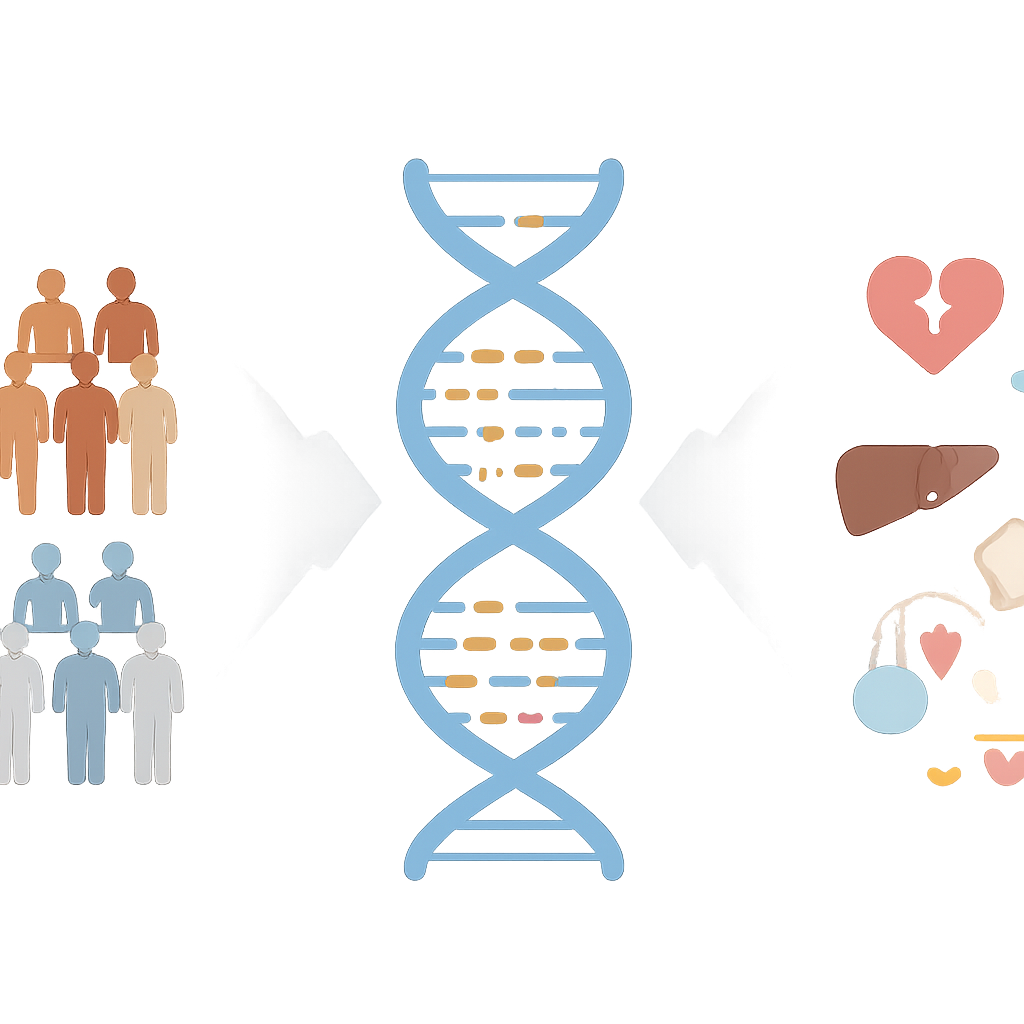
Different Populations, Different Genetic Patterns
Using data from the UK Biobank and several global genome projects, the researchers examined over 220,000 DNA variants located in and around 283 genes that control epigenetic processes, such as how tightly DNA is packed or how chemical tags are added to it. They compared how common each variant was in people of recent African ancestry and in those of European ancestry. The contrast was striking: for 88.4% of these gene variants, the frequencies differed significantly between the two groups. People of African ancestry tended to carry a greater number of common variants in these epigenetic genes, reflecting the broader genetic diversity that has long been observed in African populations.
Genes That Stand Out
Not all epigenetic genes were affected equally. One group of genes that add chemical marks to histone proteins—molecules that help package DNA—harbored especially many differing variants, with a gene called PRMT6 standing out as a hotspot. Other epigenetic gene families, including those that remove marks or rearrange DNA packaging, also showed extensive frequency differences. Some variants were millions of times more common in one ancestry group than the other. While many of these changes sit in non-coding stretches of DNA, they can still influence how genes are used by affecting when and where they are switched on.
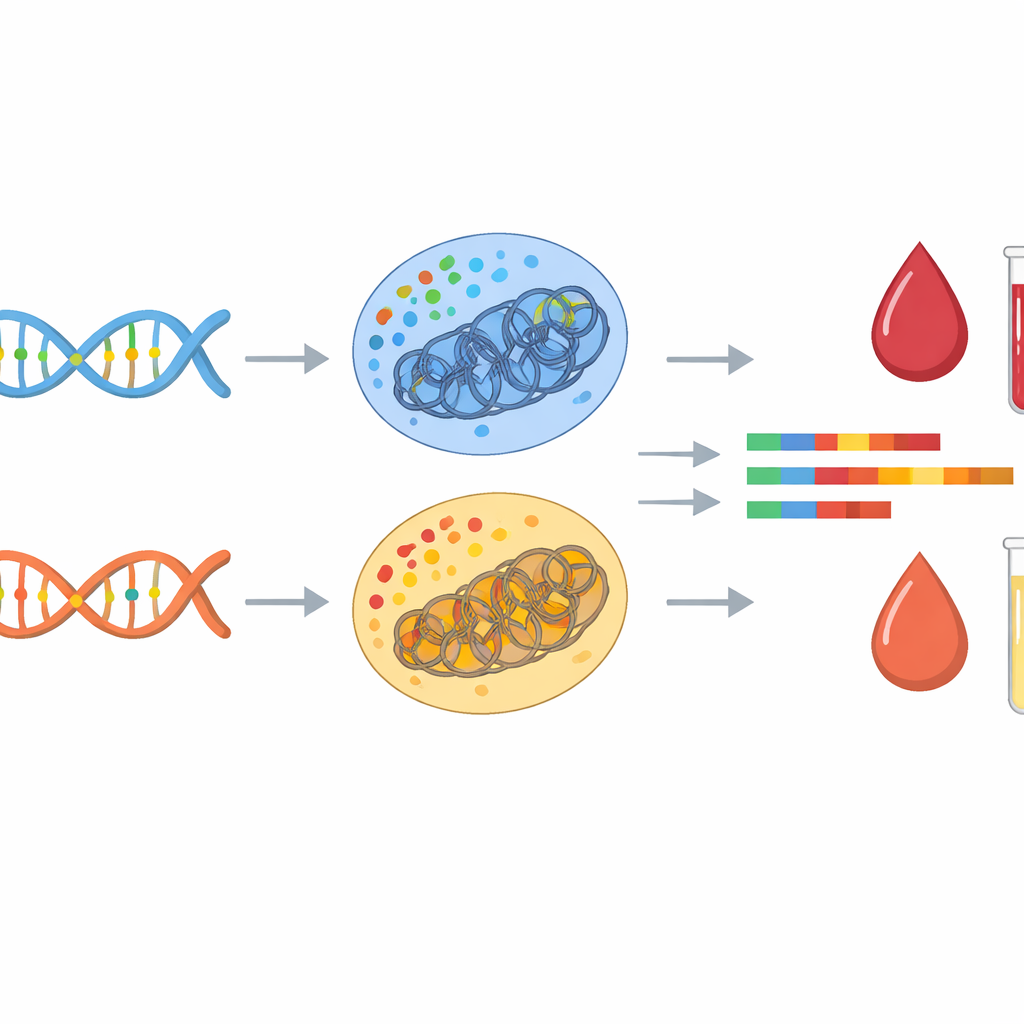
From DNA Changes to Measurable Traits
To see whether these genetic differences matter for health, the team linked epigenetic variants to a wide range of traits and diseases reported in large genetic studies. Hundreds of variants near epigenetic genes had already been tied to traits such as height, body fat distribution, sex hormone levels, blood counts, and risk of conditions like prostate cancer or type 2 diabetes. The researchers then asked whether these same variants act as quantitative trait loci, or QTLs—DNA changes that alter molecular readouts such as DNA methylation patterns, gene activity, RNA splicing, or histone marks. They found that variants associated with traits were strongly enriched for these regulatory roles, especially those that influence DNA methylation and gene expression, and that in most cases the frequencies of these QTLs differed sharply between African- and European-ancestry participants.
Clues from Blood and Urine Tests
Next, the authors focused on 28 standard blood and urine markers routinely measured in medical care, including cholesterol, liver enzymes, and hormones. Within the UK Biobank, more than 26,000 variants at epigenetic gene regions were significantly linked to at least one of these biomarkers. Because the study includes far more people of European ancestry, many associations appeared only in that group, even when the same variants were present in African-ancestry participants. At some gene regions, such as SMARCA4, variants common in Europeans were tied to cholesterol-related measures but were too rare in Africans to detect similar effects. At other regions, such as ATAD2B, variants common in African-ancestry individuals were linked to blood sugar control, yet were nearly absent in Europeans. Many of these biomarker-associated variants also acted as methylation QTLs, underscoring a likely connection between epigenetic regulation and routine clinical measures.
Shared and Separate Genetic Threads
By tracing which variants were linked to multiple biomarkers, the team found clusters of traits that appear to share common epigenetic underpinnings. For example, markers of liver function and hormone levels frequently pointed to overlapping sets of variants in epigenetic genes, suggesting that changes in these regulatory hubs can ripple across several bodily systems at once. Other traits, like fasting glucose and long-term sugar control (HbA1c), showed surprisingly little overlap, hinting that they may be governed by more distinct genetic pathways.
What This Means for Health and Equity
In everyday terms, this work shows that people of African and European ancestry often carry different versions of the genes that manage DNA’s on–off switches, and that these differences can influence both invisible molecular processes and visible health-related measurements. Because most large genetic and epigenetic studies have focused on Europeans, many important variants common in African-ancestry populations have been underexplored or entirely missed. The authors conclude that fully understanding disease risk, drug response, and biomarker meaning across all people will require systematically including diverse ancestries in genomic and epigenomic research. Doing so will not only improve the accuracy of genetic discoveries but also help ensure that future precision medicine benefits everyone.
Citation: Sinkala, M., Retshabile, G., Mpangase, P.T. et al. Mapping epigenetic gene variant dynamics: comparative analysis of frequency, functional impact and trait associations in African and European populations. Sci Rep 16, 13378 (2026). https://doi.org/10.1038/s41598-026-41871-y
Keywords: epigenetic variants, population genetics, African ancestry, genome-wide association, biomarkers