Clear Sky Science · en
Survival outcomes and treatment patterns in primary vertebral diffuse large B-cell lymphoma
Back Pain That Hides a Serious Disease
Many people develop back pain as they age, and it is usually blamed on worn-out disks, muscles, or arthritis. But in rare cases, pain in the spine can be the first sign of a blood cancer growing inside the bones of the backbone. This study looks at one such uncommon cancer—primary vertebral diffuse large B‑cell lymphoma—and asks a practical question that matters to patients and families: which treatments actually help people live longer, and what personal factors influence their chances of survival?
A Rare Cancer in the Backbone
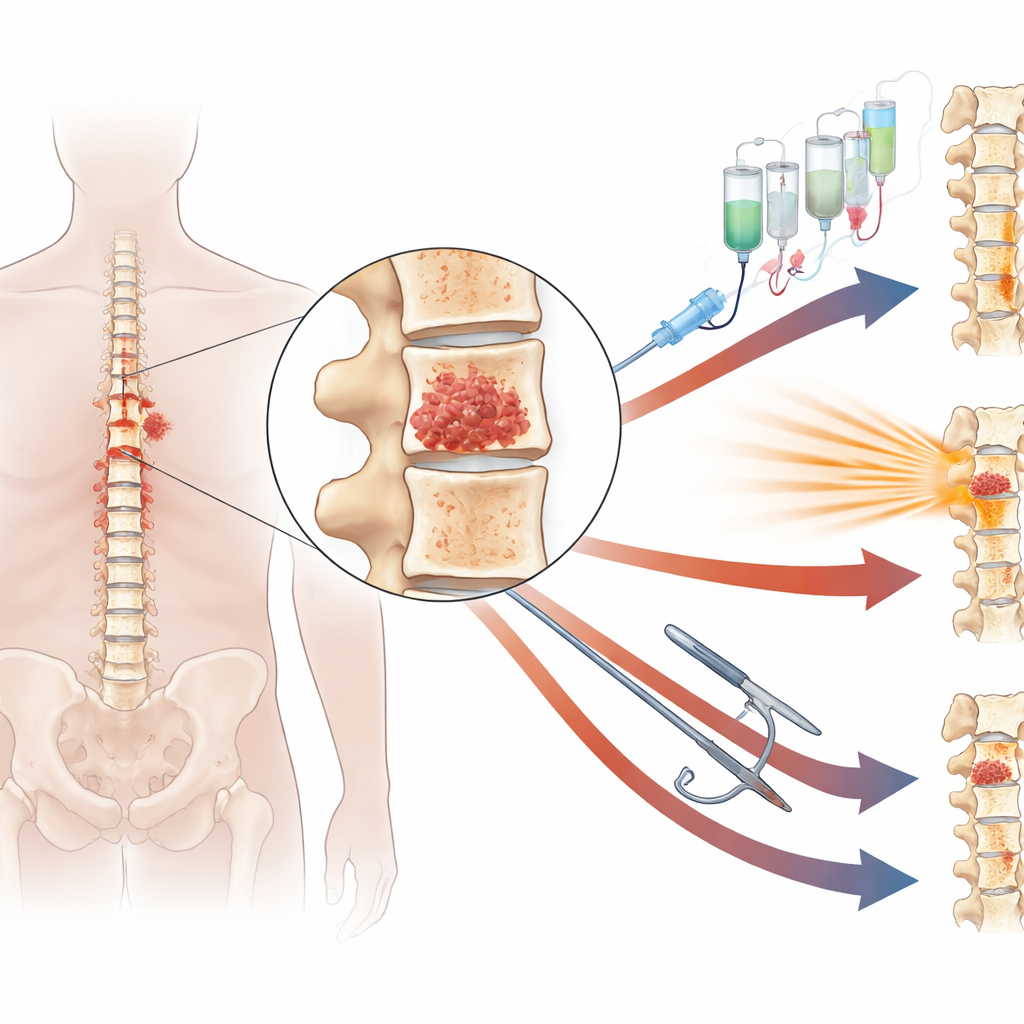
Diffuse large B‑cell lymphoma is the most common kind of non‑Hodgkin lymphoma, a cancer of the immune system. It usually begins in lymph nodes, but sometimes it starts in other places, including the bones of the spine. When it does, it often does not announce itself with classic “lymphoma” warning signs such as night sweats or swollen glands. Instead, people may feel ordinary back pain, shooting leg pain, or weakness from pressure on the spinal cord. Because scans are not always distinctive, this cancer can be missed or mistaken for more common spine problems, delaying care and risking permanent nerve damage.
Who Was Studied and How
To understand this condition better, the researchers turned to the U.S. SEER cancer registry, which tracks cancer diagnoses and deaths across large parts of the country. They identified 584 adults diagnosed between 2000 and 2021 whose disease started in the bones of the spine. For each person, they recorded age, sex, race, marital status, income level in their area, stage of disease, and which treatments they received—chemotherapy, radiation, surgery, or combinations of these. Using standard survival analysis tools, they examined how long patients lived after diagnosis and which factors were linked to a higher or lower risk of death over one, two, five, and ten years.
What the Numbers Reveal
Overall, patients lived a median of about 115 months—just under ten years—after diagnosis. About three out of four were alive at one year, and roughly half were still living a decade later. Age made a major difference: people 75 and older had a much higher risk of dying than middle‑aged adults, and their median survival was only about 20 months. Tumor stage mattered as well. When the lymphoma had already spread beyond the spine to distant sites at diagnosis, the risk of death was several times higher in the first few years than when the cancer remained confined to the vertebrae.
Treatment Choices and the Power of Support
The clearest finding concerned treatment. Patients who received chemotherapy had markedly better survival at every time point, even after accounting for age and disease stage. In contrast, neither radiation nor surgery showed an independent survival benefit once these other factors were considered. That does not mean they are useless—surgery may still be vital to relieve sudden spinal cord pressure, and radiation can ease pain or help control local tumor growth—but it suggests they do not, by themselves, extend life the way modern drug regimens do. Another striking observation was social: patients who were single, widowed, or divorced had worse survival than those who were married, even after adjusting for medical details. This points to the importance of family or caregiver support, which can affect everything from getting to appointments to managing complex treatments.
Care Is Improving Over Time
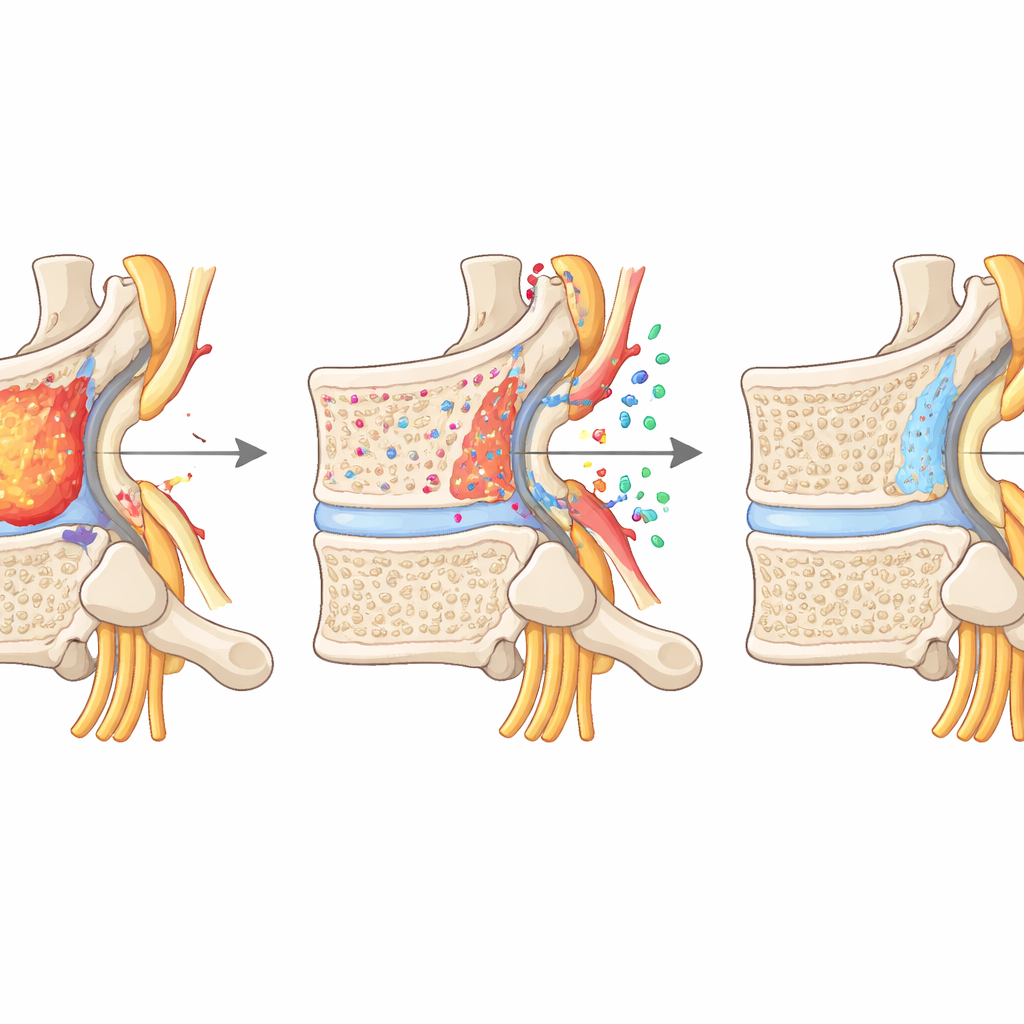
People diagnosed more recently fared better than those treated in earlier years. Patients diagnosed after 2013, and especially after 2018, had substantially lower death rates. The authors suggest this likely reflects advances such as wider use of antibody‑based drugs like rituximab, improvements in supportive care, and newer therapies. Although the study cannot pinpoint exactly which innovations are responsible, the trend offers hope that outcomes for this rare spinal cancer are steadily improving.
What This Means for Patients
For someone facing this diagnosis, the message is both sobering and reassuring. This is a serious disease whose outlook is strongly shaped by age and how far it has spread, but long‑term survival is possible for many patients. The study reinforces that chemotherapy is the cornerstone of treatment, while surgery and radiation are tools to be reserved for specific situations such as unstable bones or severe nerve pressure. Just as important, the link between marital status and survival highlights that emotional and practical support can be as critical as medical decisions. Ensuring that patients have a strong support network—and access to modern drug therapies—may be as vital to their future as any scan or operation.
Citation: Bever, N., Ebada, A., Carron, C.J. et al. Survival outcomes and treatment patterns in primary vertebral diffuse large B-cell lymphoma. Sci Rep 16, 14118 (2026). https://doi.org/10.1038/s41598-026-41865-w
Keywords: spinal lymphoma, chemotherapy outcomes, vertebral cancer, lymphoma survival, psychosocial support