Clear Sky Science · en
Qualitative analysis of chemical components in Berberis kaschgarica Rupr. and study on the in vitro anti-inflammatory effects of its alkaloids
From Wild Berries to Heart Health
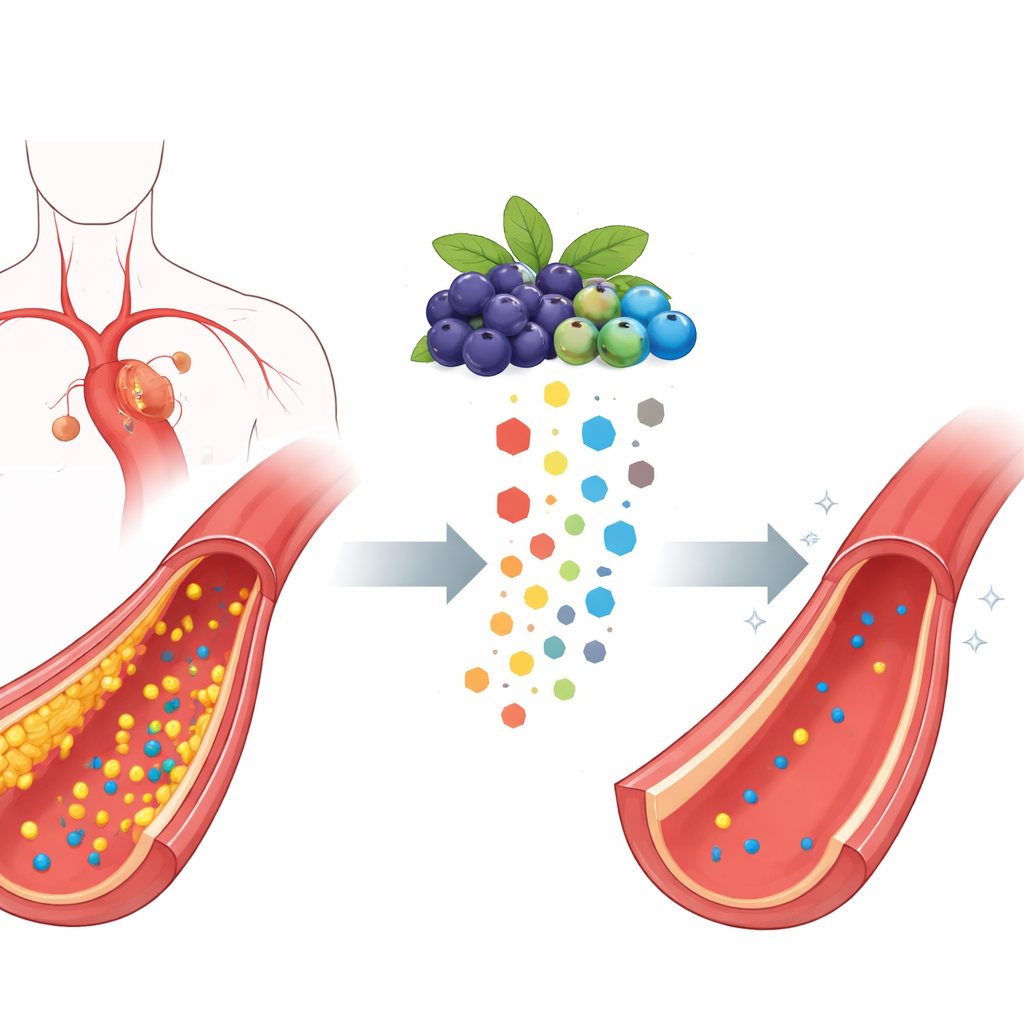
High blood pressure, high cholesterol, and silent inflammation in our arteries quietly set the stage for heart attacks and strokes. In western China, people have long used the bright red fruits of Berberis kaschgarica as a traditional remedy for blood pressure and blood fats. This study asks a modern question about that folk medicine: what exactly is in these fruits, and can their key ingredients truly calm the kind of inflammation that drives clogged and fragile arteries in atherosclerosis?
What Makes These Mountain Berries Special
The researchers began by mapping the chemical “universe” inside Berberis kaschgarica fruits. Using an advanced technique that separates and weighs molecules with high precision, they detected 544 different small molecules, 105 of which were classified as so‑called secondary metabolites—the kinds of compounds plants use for defense and signaling, and that often become medicines. These included flavonoids, phenols, and, most importantly for this work, 24 alkaloids, a family of nitrogen‑containing compounds known from other Berberis plants to affect blood fats and inflammation. By creating a detailed catalog of these substances, the team turned a traditional remedy into a chemically well‑defined resource for drug discovery.
Sorting Helpful Compounds into Two Families
To understand how these alkaloids might behave in the body, the scientists grouped them based on how easily they dissolve in fat versus water. Eighteen were “fat‑soluble” alkaloids, more likely to slip into cell membranes and influence processes tied to cholesterol and lipids. Six were “water‑soluble,” more likely to stay in watery spaces like blood and the spaces between cells. Computer tools that link chemical structures to known protein targets suggested that, together, these compounds could interact with hundreds of human proteins involved in atherosclerosis. The fat‑soluble group was especially tied to pathways controlling lipid handling and a fiery form of cell death, while the water‑soluble group was linked more to antibacterial defenses and protection of the vessel lining. One particular fat‑soluble alkaloid, oxyberberine, stood out as a strong candidate for blocking artery‑damaging processes.
Peering into the Inflammatory Engine of Plaques
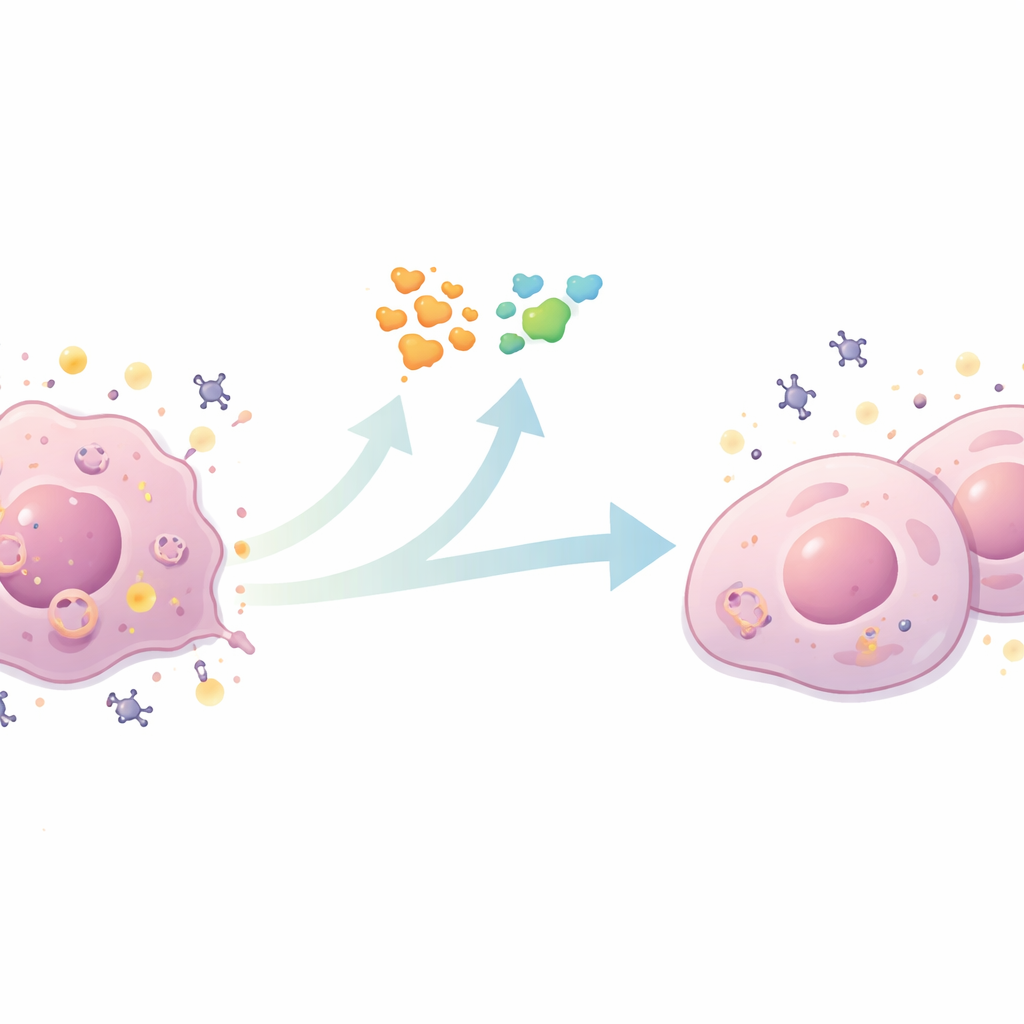
Atherosclerosis is now understood as much more than simple “fat in the pipes.” Immune cells called macrophages crawl into the vessel wall, gorge on modified cholesterol, and can die in a highly inflammatory way known as pyroptosis. In this process, enzymes called caspases slice open a protein that punches holes in the cell membrane, releasing alarm molecules such as the signaling proteins IL‑1β and IL‑18. Other enzymes, like MMP3 and MMP9, chew on the supporting scaffold of the vessel wall and can make plaques more likely to rupture. The team focused on how Berberis alkaloids influenced this destructive chain reaction in a standard laboratory model: mouse macrophages stressed with a bacterial toxin that mimics real‑world inflammatory triggers in blood vessels.
How the Alkaloids Quiet Fiery Cell Death
When macrophages were exposed to the toxin alone, levels of key pyroptosis players—caspase‑11, caspase‑1, IL‑1β, IL‑18, and the pore‑forming protein gasdermin D—rose sharply, as did MMP3 and MMP9. Adding mixtures of Berberis alkaloids, or purified oxyberberine, largely reversed these changes in a dose‑dependent fashion: higher amounts of compounds led to lower inflammatory signals and fewer signs of membrane‑piercing cell death. At the same time, the extracts dialed down Toll‑like receptor 4 (TLR4), a sensor that kicks off inflammatory responses to bacterial products, and reduced activation of STAT3, a switch in the cell nucleus that drives many inflammation‑related genes. Among all treatments, oxyberberine had the strongest calming effect, with fat‑soluble alkaloids next, and water‑soluble alkaloids and total mixtures showing meaningful but somewhat weaker actions.
Why This Matters for Future Heart Protection
To a non‑specialist, the punchline is that these traditional berries harbor a rich mix of natural molecules that can, at least in cells, turn down a particularly damaging form of inflammatory cell death and the enzymes that weaken artery walls. By doing so, they may help stabilize plaques and slow atherosclerosis rather than simply alter cholesterol numbers. The work does not yet prove that Berberis kaschgarica fruits or their purified alkaloids prevent heart disease in people—that will require animal studies and clinical trials—but it provides a detailed chemical map, identifies standout candidates like oxyberberine, and traces a plausible biological path from a wild fruit on a mountain slope to future therapies aimed at keeping our arteries calmer, safer, and more resilient.
Citation: Ainiwaer, S., Dilimulati, D., Wumaier, A. et al. Qualitative analysis of chemical components in Berberis kaschgarica Rupr. and study on the in vitro anti-inflammatory effects of its alkaloids. Sci Rep 16, 11575 (2026). https://doi.org/10.1038/s41598-026-41856-x
Keywords: atherosclerosis, berberis alkaloids, pyroptosis, vascular inflammation, oxyberberine