Clear Sky Science · en
Postpartum depression childbirth related PTSD maternal bonding sexual functioning and partner support among mothers
Why Life After Birth Is About More Than the Baby
Bringing a new baby home is often pictured as a time of joy, but for many mothers it is also a period of deep emotional and physical strain. This study from Hungary looks beyond the smiling birth photos to ask a tough question: how do low mood, traumatic birth experiences, changes in sexuality, and the quality of partner support intertwine to shape a mother’s well-being and her bond with her baby? By following hundreds of mothers in the first two years after birth, the researchers show that the health of the couple relationship and a mother’s confidence in herself are just as important as medical care in determining how families adjust to life with a newborn. 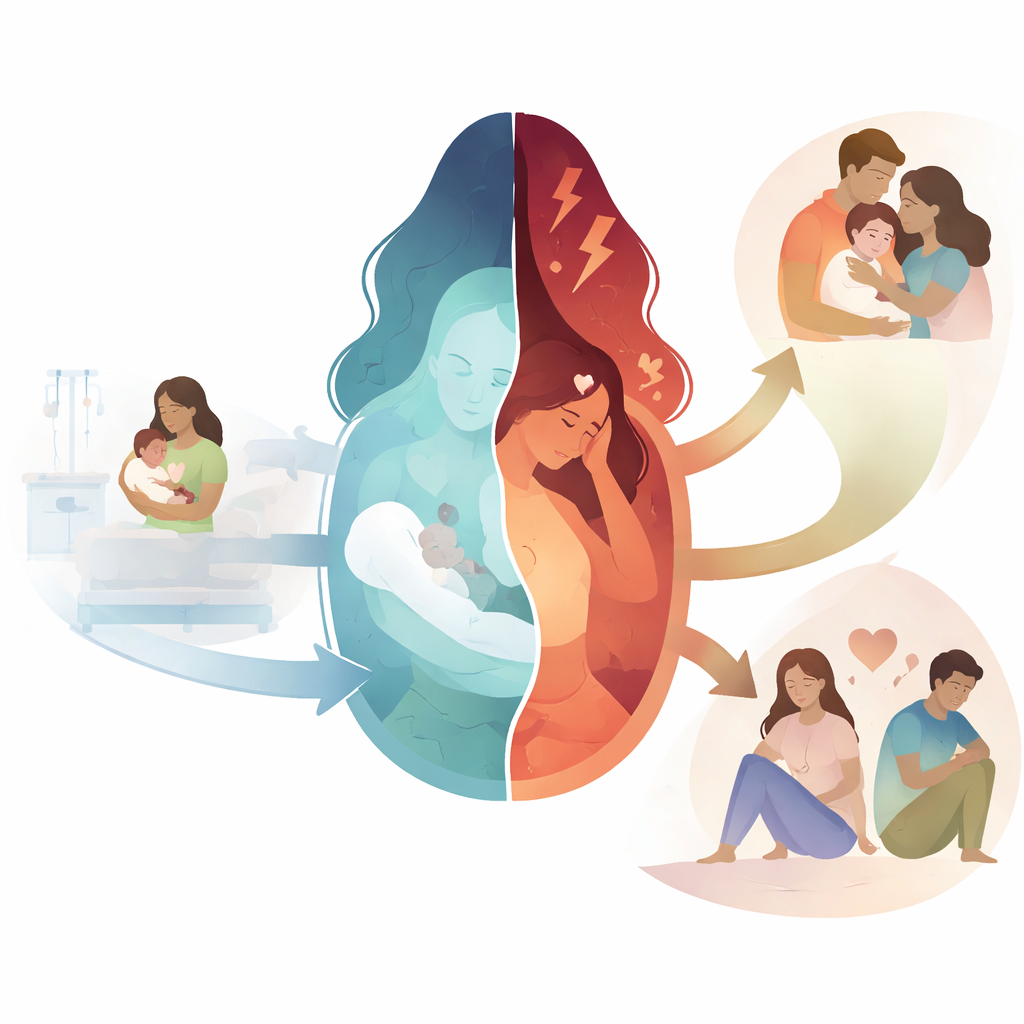
How the Study Was Carried Out
The research team surveyed 675 Hungarian mothers between one month and two years after giving birth. All were over 18 and had recently delivered a baby in a high-income country with relatively good access to healthcare. The women answered a detailed set of questionnaires about mood, anxiety and trauma symptoms after childbirth, their emotional bond with their baby, sexual functioning, satisfaction with their partner, and how much practical and emotional support they felt they received. The study also recorded birth-related details such as emergency caesarean sections, high-risk pregnancies, and medical complications, allowing the researchers to see how medical events and emotional experiences fit together.
How Common Emotional Struggles Were
The findings show that emotional difficulties after birth were far from rare. Almost a third of mothers reported levels of depressive symptoms high enough to suggest a need for clinical attention, and about one in twelve met the criteria for childbirth-related post-traumatic stress disorder, a condition in which memories of a frightening birth keep intruding into daily life. About one third of the sample experienced significant sexual problems, including low desire, pain, or difficulty with arousal and orgasm. These rates were higher than those seen in many pre-pandemic studies, likely reflecting the added strain of COVID‑19 restrictions, reduced partner presence during childbirth, and limits on in-person support.
The Central Role of Bonding and Partner Support
A key message of the study is that the emotional bond between mother and baby is tightly linked to the mother’s own mental health and social world. Mothers who felt more depressed or who struggled sexually were more likely to report feeling distant, anxious, or even rejecting toward their baby. In contrast, women who felt confident in their parenting skills, who had higher overall well-being, and who experienced their partner as caring and non-controlling reported fewer bonding problems. Statistical models showed that a mother’s sense of self-efficacy—her belief that she can cope with parenting challenges—and her general emotional health were stronger predictors of bonding than the severity of birth-related trauma once other factors were taken into account. 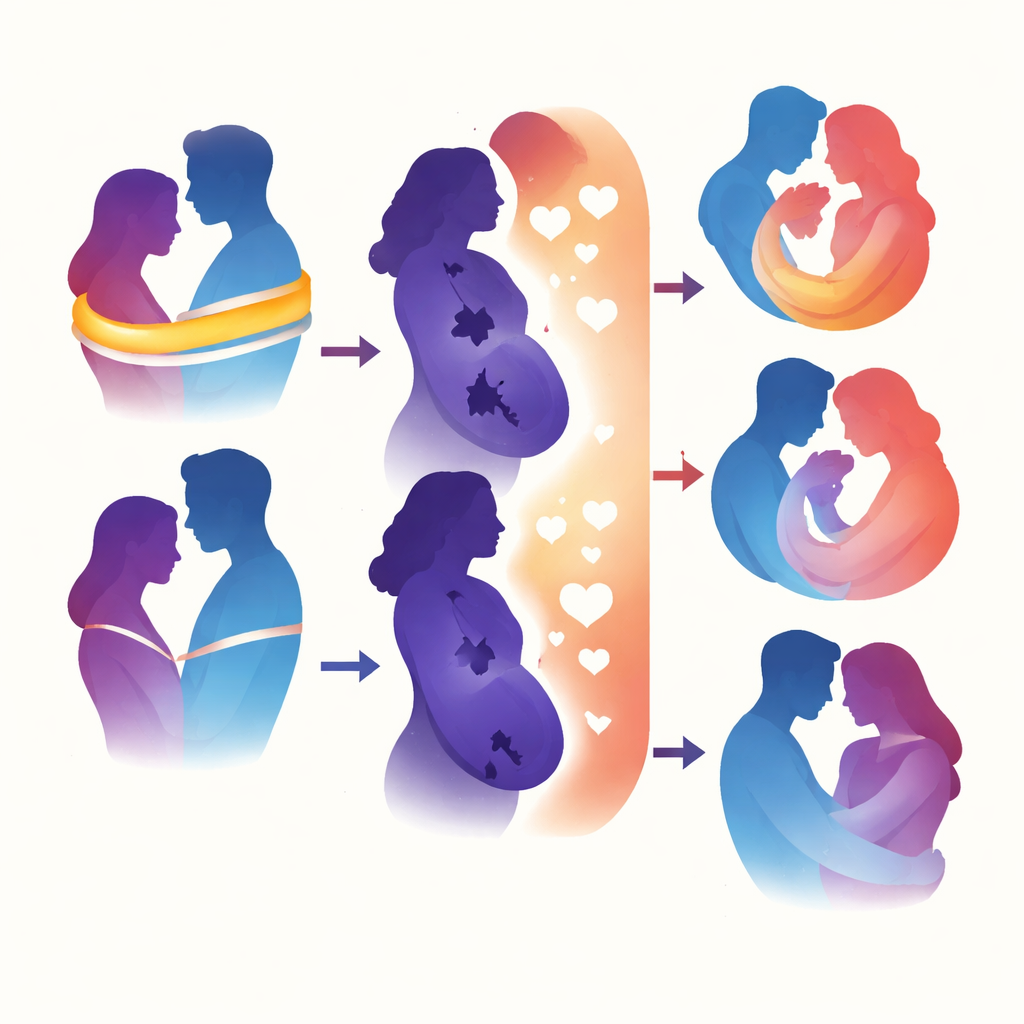
When the Couple Relationship Helps or Hurts
The study highlights that partner relationships can either cushion or worsen the stress of new parenthood. Perceiving one’s partner as warm, understanding, and emotionally available went hand in hand with higher relationship satisfaction, better sexual functioning, and greater life satisfaction. Controlling or critical partner behavior, by contrast, was associated with more distress and greater difficulty bonding with the baby. Interestingly, simply receiving a lot of help was not always beneficial: emotional and practical support that felt poorly timed or mismatched with the mother’s needs sometimes went along with lower relationship satisfaction, suggesting that support quality and fit matter more than sheer quantity.
How Medical Events Shape the Emotional Story
Medical complications around pregnancy and birth added another layer of risk. Women with high-risk pregnancies and those who underwent emergency caesarean sections tended to report more depressive symptoms and more anxiety about caring for their baby. Among subgroups facing special medical challenges—such as threatened preterm birth, gestational diabetes, infections, or hospitalization—depression and trauma symptoms were more strongly tied to fears about harming the baby or feeling overwhelmed by caregiving. Yet even in these groups, strong partner care and higher self-confidence often softened the impact of medical risk on bonding and well-being.
What This Means for New Families
For a lay reader, the study’s bottom line is straightforward: postpartum depression is not just about feeling sad, and getting through childbirth physically is only part of the story. A mother’s emotional health, her sense of competence, her sexual well-being, and the way her partner behaves toward her are all woven together, shaping how she feels about herself and her baby. Screening for low mood alone is not enough; health services should also ask about the couple relationship, birth-related fears, and sexual difficulties, and involve partners where possible. By strengthening a mother’s confidence and fostering genuinely supportive partnerships, families may be better equipped to weather the challenges of early parenthood and to build secure, nurturing bonds that benefit children for years to come.
Citation: Kovács-Berta, R., Sándor, L., Dudok, F. et al. Postpartum depression childbirth related PTSD maternal bonding sexual functioning and partner support among mothers. Sci Rep 16, 11335 (2026). https://doi.org/10.1038/s41598-026-41725-7
Keywords: postpartum depression, childbirth trauma, mother–infant bonding, partner support, postpartum sexuality