Clear Sky Science · en
The E3 ubiquitin ligase RNF180 modulates the EGFR/PI3K/AKT pathway to reduce cisplatin resistance in non-small cell lung cancer
Why this research matters
Cisplatin is a cornerstone chemotherapy drug for lung cancer, yet many tumors gradually stop responding to it, leaving patients with few options. This study explores why some non-small cell lung cancers become resistant to cisplatin and identifies a molecular ‘brake’—a protein called RNF180—that can make cancer cells sensitive to treatment again. Understanding this internal tug-of-war inside tumor cells could help doctors design therapies that keep chemotherapy working longer and more effectively.
A closer look at stubborn lung tumors
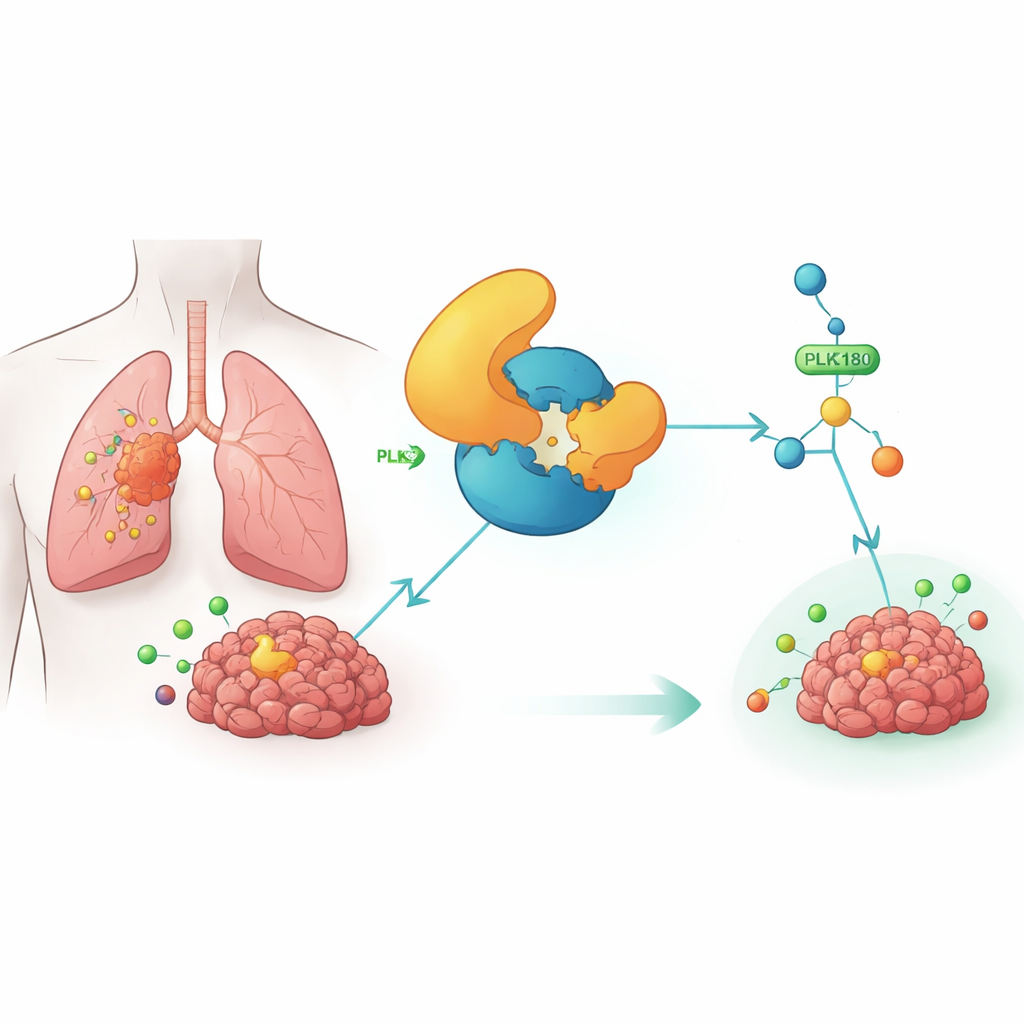
Non-small cell lung cancer is the most common form of lung cancer and is often diagnosed at an advanced stage, when surgery is no longer enough. In these cases, cisplatin-based drug combinations are standard care, but tumors frequently adapt and survive. The researchers focused on a group of cisplatin-resistant lung cancer cells called A549/DDP and compared them with their non-resistant parent cells. They were particularly interested in RNF180, a protein that helps tag other proteins for processing or disposal inside the cell and has been linked to tumor suppression in several cancers.
RNF180 as a natural tumor brake
By analyzing patient databases and cell lines, the team found that RNF180 levels were generally reduced in lung tumors, and especially low in cisplatin-resistant cells. Patients whose tumors had less RNF180 tended to live for a shorter time. When the scientists used viruses to boost RNF180 in resistant cells, the cancer cells slowed their growth, migrated and invaded less, and were more likely to undergo programmed cell death. In mice implanted with these modified cells, tumors grew more slowly and weighed less, suggesting that raising RNF180 can restrain tumor behavior both in a dish and in a living organism.
Short-circuiting a key growth signal
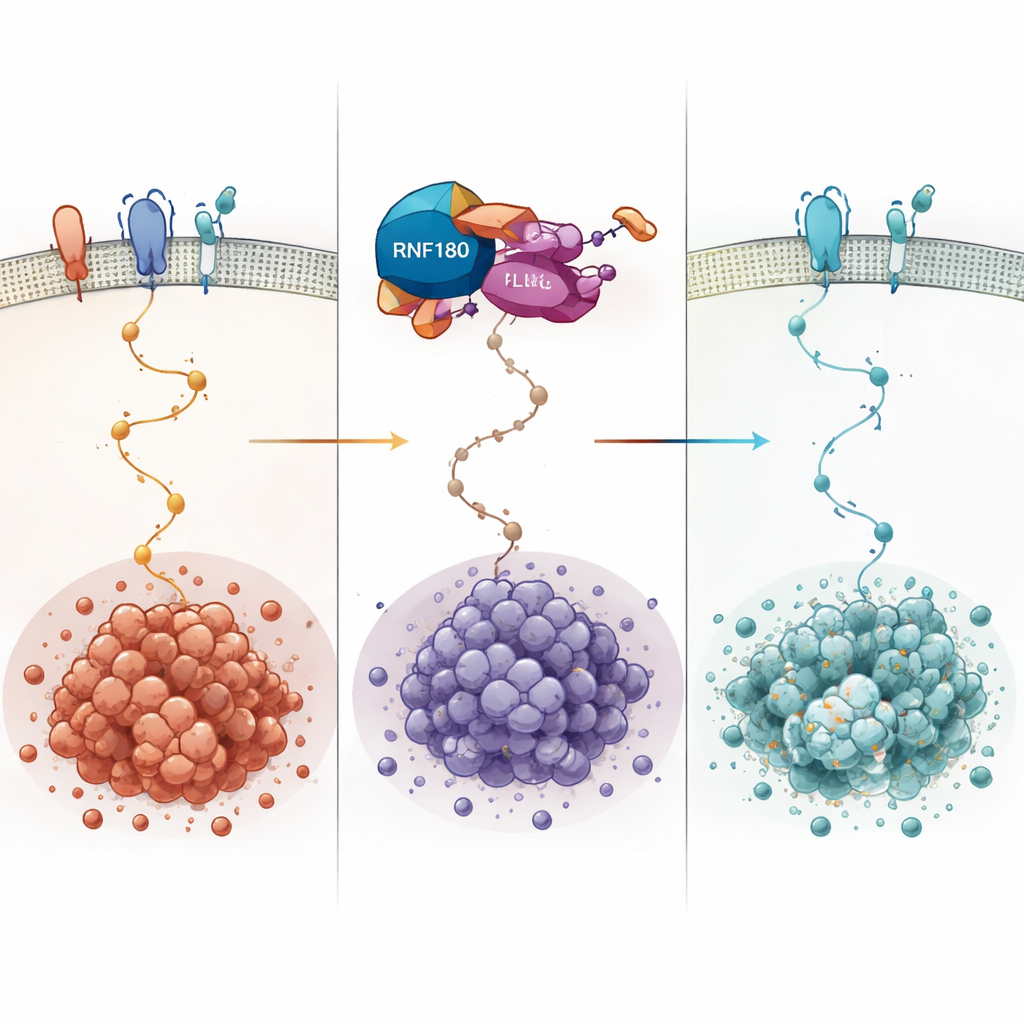
The researchers then investigated how RNF180 exerts this control. They focused on a well-known growth and survival network inside cells that runs from a surface molecule called EGFR through internal relay proteins PI3K and AKT. This pathway is often overactive in lung cancer and helps cells resist chemotherapy and avoid death. When RNF180 levels were increased, the activated forms of EGFR, PI3K, and AKT all dropped, both in resistant cells and in mouse tumors. This indicates that RNF180 acts like a circuit breaker on a powerful growth signal that would otherwise help tumors shrug off cisplatin.
A partner protein that changes the balance
To understand RNF180’s partners, the team turned to large interaction and gene-expression databases and homed in on another protein called PLK2, known to influence how cells respond to DNA damage and certain drugs. Surprisingly, in the cisplatin-resistant cells, PLK2 levels were higher than in non-resistant cells. When the researchers reduced PLK2 in resistant cells, the cancer cells actually became more aggressive: they formed more colonies, moved and invaded more, and were harder to kill with cisplatin. At moderate drug doses, cells lacking PLK2 survived better, migrated more, and underwent less apoptosis than control cells. Combined with database predictions that RNF180 can chemically tag PLK2, these findings suggest that RNF180 and PLK2 form a regulatory pair that shapes how cells react to chemotherapy.
What this could mean for future treatment
Altogether, the study paints RNF180 as a beneficial internal defender in non-small cell lung cancer. When present at healthy levels, RNF180 dampens a major survival pathway, curbs the ability of tumor cells to spread, and makes them more vulnerable to cisplatin. Its interaction with PLK2 appears to be part of this control system, although the exact chemical details still need to be worked out. For patients, these insights hint at new strategies: drugs that restore or mimic RNF180 function, or that fine-tune PLK2 activity, might one day be combined with cisplatin to delay or overcome resistance, keeping this long-standing chemotherapy tool effective for more people.
Citation: Song, X., Jiang, W., Wei, H. et al. The E3 ubiquitin ligase RNF180 modulates the EGFR/PI3K/AKT pathway to reduce cisplatin resistance in non-small cell lung cancer. Sci Rep 16, 12850 (2026). https://doi.org/10.1038/s41598-026-41718-6
Keywords: non-small cell lung cancer, cisplatin resistance, EGFR PI3K AKT pathway, E3 ubiquitin ligase RNF180, PLK2