Clear Sky Science · en
Association between early red blood cell transfusion after return of spontaneous circulation and clinical outcomes in cardiac arrest patients
Why this study matters for patients and families
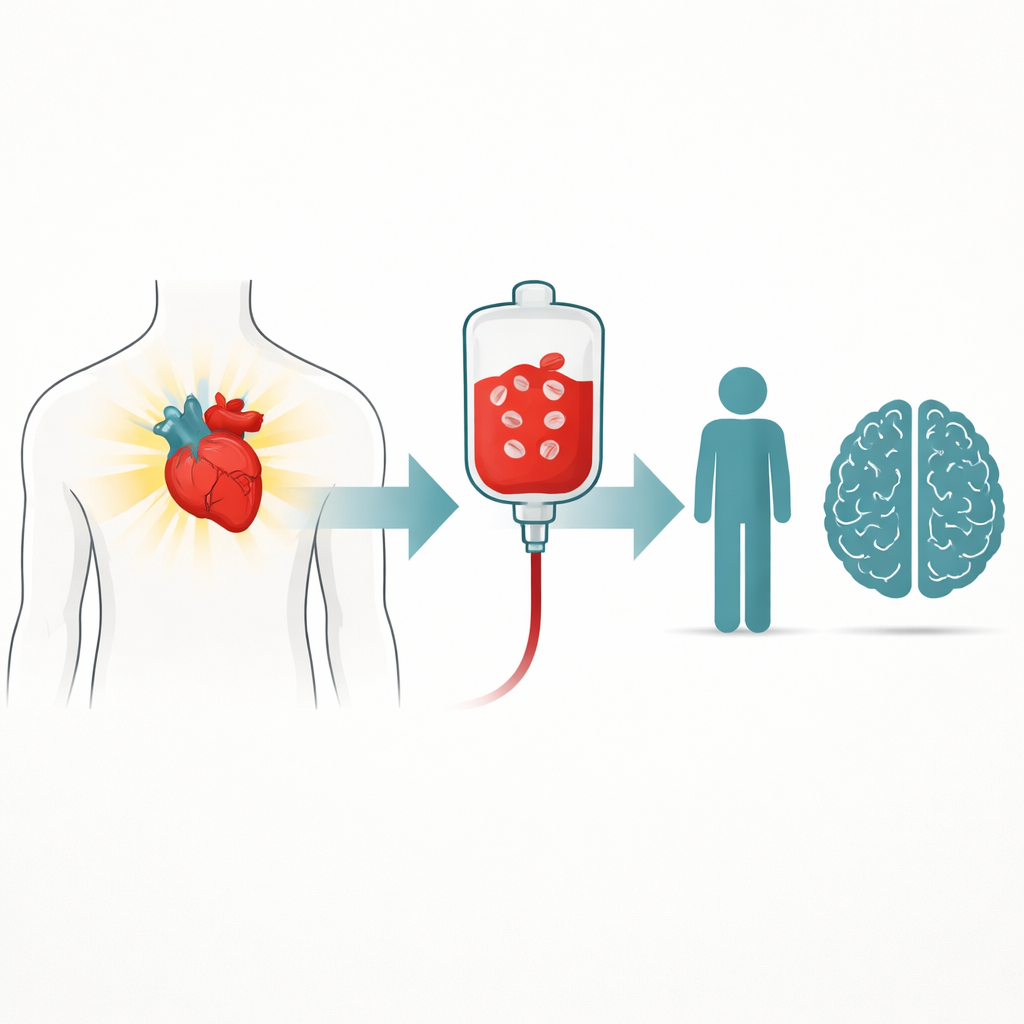
When someone’s heart suddenly stops and is restarted, doctors must quickly decide which treatments will truly help recovery. One common step is giving red blood cell transfusions to boost oxygen-carrying capacity. But transfusions also carry risks, and it has not been clear whether giving them early after cardiac arrest actually improves survival or brain function. This study followed hundreds of adults in Korea who survived an initial cardiac arrest to see whether early red blood cell transfusions made a meaningful difference in how long they lived and how well their brains recovered.
What the researchers set out to learn
The team looked at adults treated for cardiac arrest in the emergency departments of two large university hospitals between 2014 and 2023. All of the patients had their heartbeat restarted—a milestone known as return of spontaneous circulation—and survived at least 24 hours. The key question was whether those who received red blood cell transfusions within the first day after their heart was restarted fared better than those who did not. The researchers examined several outcomes that matter to patients and families: survival at 30 and 90 days, survival to hospital discharge, and whether patients left the hospital with reasonably good brain function.
How the study was carried out
From an initial pool of 863 people, the investigators included 586 who met strict criteria, excluding those with traumatic arrests, recent surgery, recent transfusions, or missing data. About one in seven patients received red blood cells within 24 hours, typically within the first several hours after their heartbeat returned. Because sicker patients are more likely to receive transfusions, the team used advanced statistical techniques to make the transfusion and non‑transfusion groups as comparable as possible in terms of age, illness severity, heart rhythm, underlying diseases, bleeding, and blood test results. They then followed these weighted groups forward in time, comparing deaths and neurologic outcomes.
What the study found
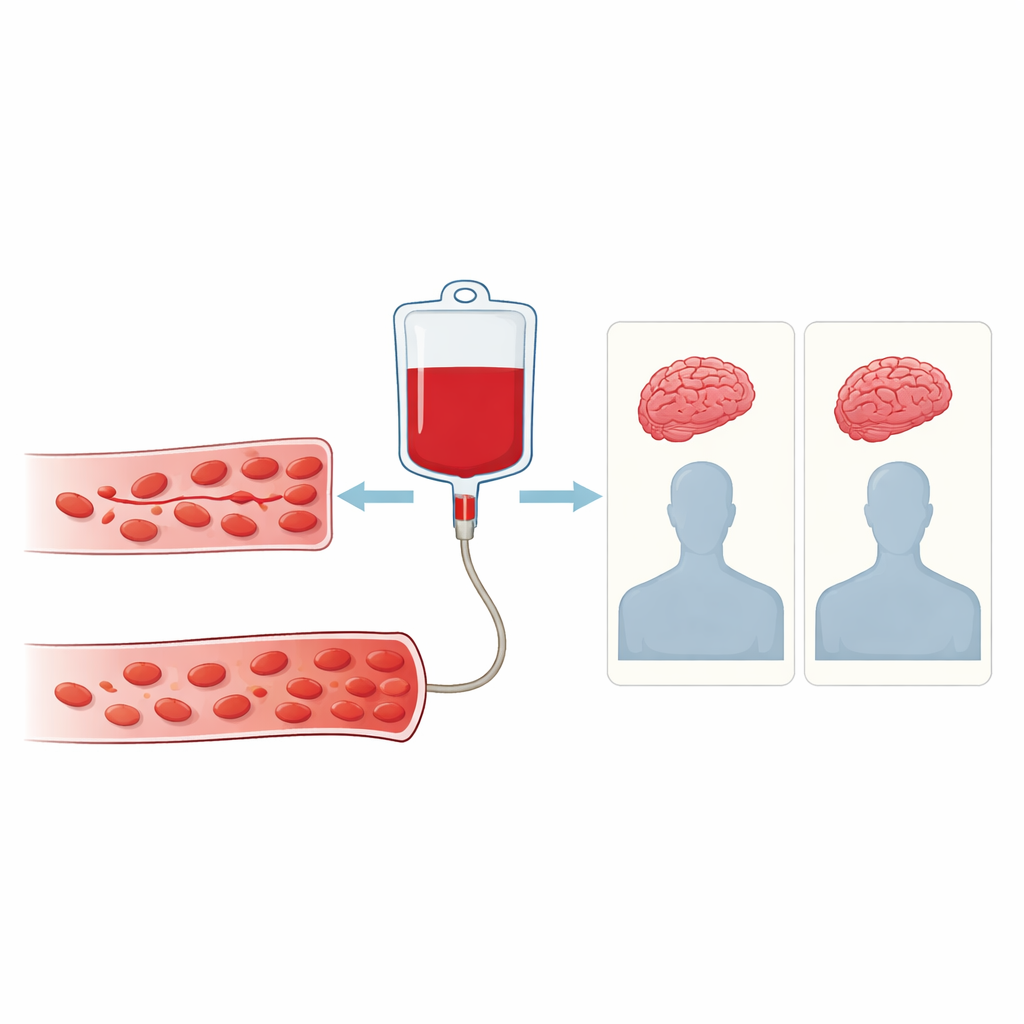
Patients who received early transfusions tended to start off with lower hemoglobin levels and more medical problems, and at first glance they appeared to have worse outcomes. However, once the statistical balancing was applied, early red blood cell transfusion was not linked to better or worse survival at 30 or 90 days, nor to survival in the hospital or favorable brain function at discharge. The number of units of blood given also showed no clear relationship with outcomes. To test the robustness of these findings, the researchers repeated the analyses using wider windows—48 and 72 hours after the heart restarted—and using slightly different methods for matching patients. Across all of these sensitivity checks, the broad message stayed the same: early transfusion did not clearly change the odds of surviving or recovering brain function.
How this fits with what we know about blood and the brain
Previous work has shown that patients with higher hemoglobin levels after cardiac arrest tend to have better brain outcomes, likely because more oxygen can reach injured brain cells. This might suggest that quickly transfusing blood to raise hemoglobin could help. Yet in this study, even though higher natural hemoglobin levels were tied to better outcomes, giving red blood cells early did not reproduce that benefit. One possibility is that patients who naturally maintain higher hemoglobin are different in ways that transfusion cannot fully fix. Another is that any advantage of more oxygen-carrying capacity may be balanced by the downsides of transfusion, such as inflammation or immune reactions, which are well documented in critically ill patients.
What this means for care after cardiac arrest
For patients whose hearts have just been restarted, this research suggests that routinely giving red blood cell transfusions in the first day does not, by itself, improve survival or brain recovery. At the same time, the study does not show clear harm from early transfusion in this setting. Instead, it supports a more measured approach: follow existing guidelines, treat obvious bleeding or very low hemoglobin, and base transfusion decisions on each patient’s overall condition rather than the hope of boosting outcomes after cardiac arrest. Because this was an observational study and not a randomized trial, the authors caution that unmeasured factors could still influence the results. Larger, carefully controlled studies will be needed to determine whether there are specific subgroups of patients who might benefit more—or less—from early red blood cell transfusion after cardiac arrest.
Citation: Lee, C.H., Choi, J.H., Kim, S. et al. Association between early red blood cell transfusion after return of spontaneous circulation and clinical outcomes in cardiac arrest patients. Sci Rep 16, 12085 (2026). https://doi.org/10.1038/s41598-026-41690-1
Keywords: cardiac arrest, blood transfusion, red blood cells, neurologic outcome, critical care