Clear Sky Science · en
Effects of sports information, training, psychological preparation, and peer support on perceived athletic competence among Chinese university students
Why this study matters beyond the playing field
For many university students, sport is about much more than winning medals. It shapes health, friendships, and confidence. This study asks a simple but powerful question: what really helps young athletes feel capable in their sport? By surveying nearly a thousand students from top Chinese universities, the researchers show how information, good coaching, mental habits, friends, and rewards combine to build – or weaken – an athlete’s belief in their own ability.
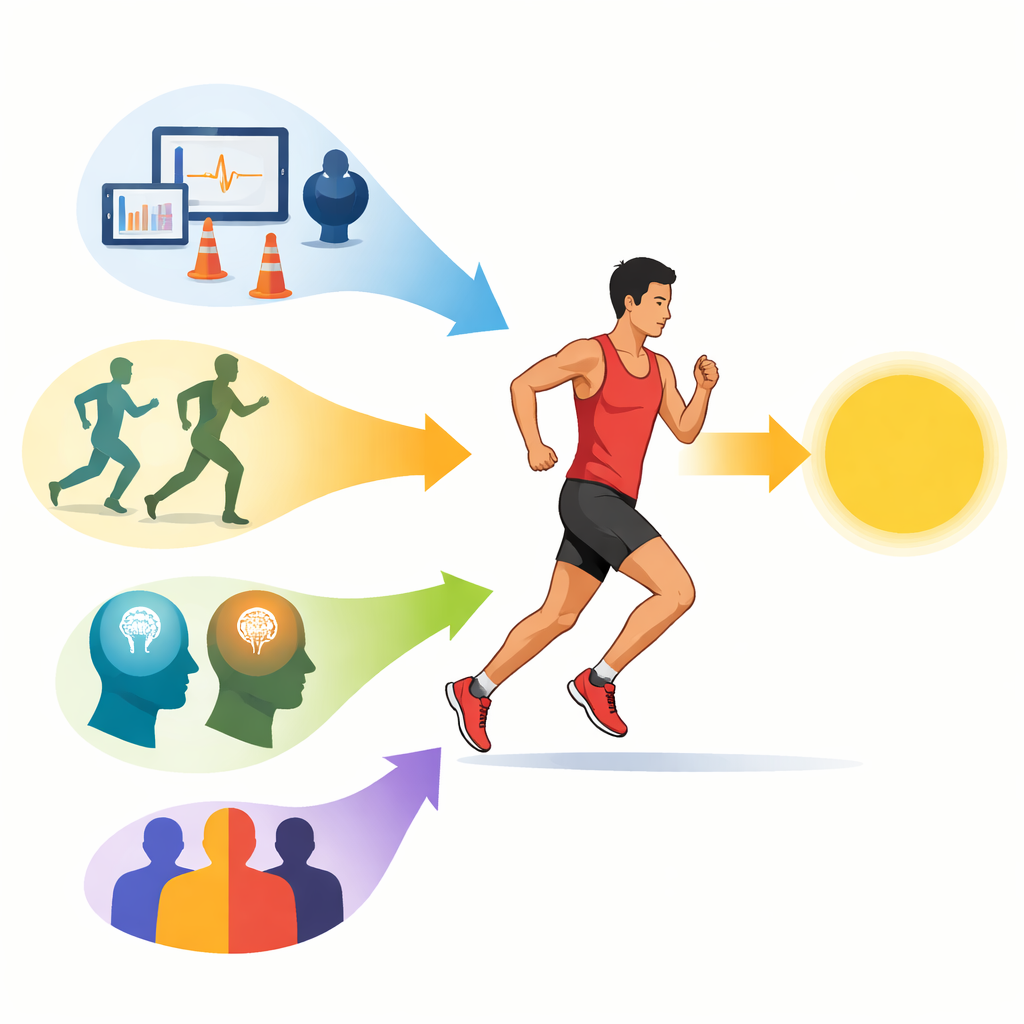
What helps a student feel like a strong athlete
The researchers looked at “perceived athletic competence” – essentially, how confident athletes feel about performing well, handling pressure, and meeting the demands of their sport. They then examined six influences: access to detailed sports information, quality of training, psychological preparation, support from peers, how athletes set goals, and how much they are driven by outside rewards such as prizes or recognition. Using responses from 927 student-athletes across ten leading universities in Beijing, Shanghai, Guangzhou, Chengdu, and Wuhan, the team mapped how these different factors relate to athletes’ self-belief.
Data, training, mindset, and friends all play a role
The study found that each major ingredient made a clear positive difference. Athletes who regularly used performance-related information – such as video feedback, statistics, or sensor data – tended to feel more capable. Those who reported higher-quality training, tailored to their needs and supported by constructive feedback, also rated their own ability more highly. Mental tools mattered too: students who practiced psychological skills like visualization, focus, and stress management felt more ready for competition. Finally, athletes who experienced strong encouragement and trust from teammates reported greater confidence, underlining how powerful a supportive team culture can be.
How clear goals turn input into improvement
Beyond these direct links, the study highlights goal setting as a key “translator” between raw input and real growth. When athletes used information, training, and mental skills to set specific, realistic, and trackable goals, their sense of competence rose even further. In other words, it is not enough to have data, a good coach, or a calm mind; athletes gain the most when they turn these resources into concrete targets and adjust those targets over time. The analysis showed that part of the benefit of sports information, quality training, and psychological preparation flows through this goal-setting process.
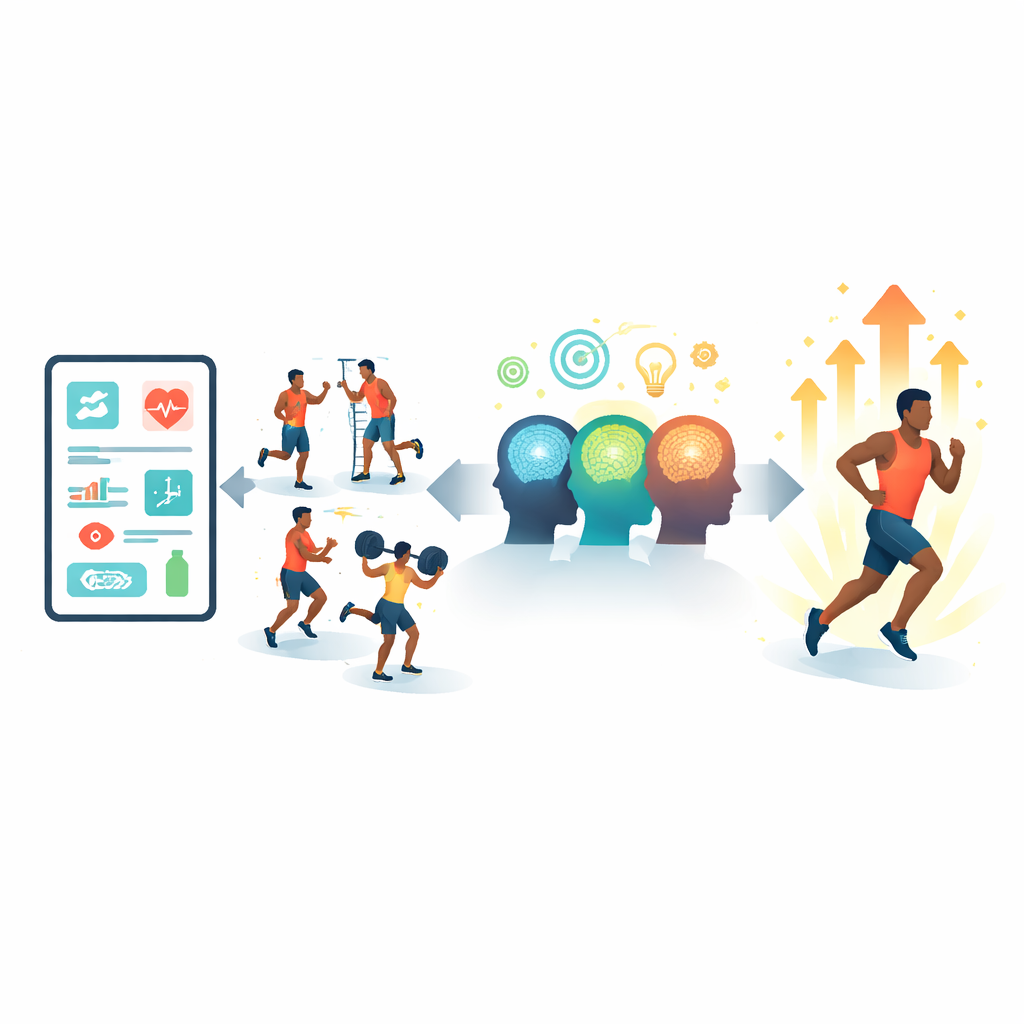
Why rewards and recognition still matter
The researchers also examined external motivation – things like scholarships, public praise, team selection, and other outward rewards that are especially prominent in the Chinese university system. These outside incentives did not simply add a small boost; they changed how other ingredients worked. When external motivation was high, the positive effects of sports information and high-quality training on athletes’ confidence were even stronger. In settings where financial support, selection to teams, and public recognition are tightly linked to sport, these rewards can amplify the benefits of good coaching and smart use of data.
What this means for students, coaches, and universities
Altogether, the study paints athlete confidence not as a gift or a personality trait, but as the outcome of a whole environment. Detailed performance feedback, individualized training, mental skills practice, supportive teammates, thoughtful goals, and well-designed rewards work together to help student-athletes feel capable and prepared. For readers outside sport, the message is familiar: clear information, good teaching, mental readiness, social support, and balanced incentives are just as important in classrooms and workplaces. For universities and coaches, the findings argue for holistic programs that invest in both physical and psychological training, foster strong peer communities, and use rewards wisely to support long-term growth rather than short-term pressure.
Citation: Yang, Z., Gao, S. & Guo, K. Effects of sports information, training, psychological preparation, and peer support on perceived athletic competence among Chinese university students. Sci Rep 16, 11060 (2026). https://doi.org/10.1038/s41598-026-41681-2
Keywords: student athletes, sports motivation, goal setting, training quality, peer support